Only 3.45% of web pages get meaningful organic traffic from Google.
Let that sink in. Out of every hundred pages published, fewer than four are actually getting found. The difference between those pages and the rest? It’s rarely luck. It’s rarely a bigger budget either. Most of the time, it comes down to one thing: whether the site is doing SEO the right way. White hat SEO techniques are what “the right way” looks like in practice. They’re the methods search engines reward, users trust, and algorithm updates can’t easily undo.
In this guide, we’re covering what white hat SEO is, how it compares to black hat shortcuts, and ten of the best white hat SEO techniques that separate the 3.45% from everyone else.
What Is White Hat SEO?

Credit: webtonic.io
White hat SEO is the practice of improving your website’s rankings while following search engine guidelines.
The term comes from old Western movies. The hero always wore a white hat. The villain wore black; it’s as simple as that.
In SEO terms, white hat means you’re playing by the rules. You’re optimizing your website for both users and search engines, in that order. No tricks, no loopholes, and no schemes.
Google’s core goal is simple: show people the most helpful, relevant content for their search. White hat SEO aligns with that goal. When Google wins, your website wins too.
The benefits of white hat SEO are real and lasting. You build authority that survives algorithm updates. You attract referral traffic from quality sources; you improve your conversion rate because people trust your site. And you never have to lie awake worrying about a Google penalty.
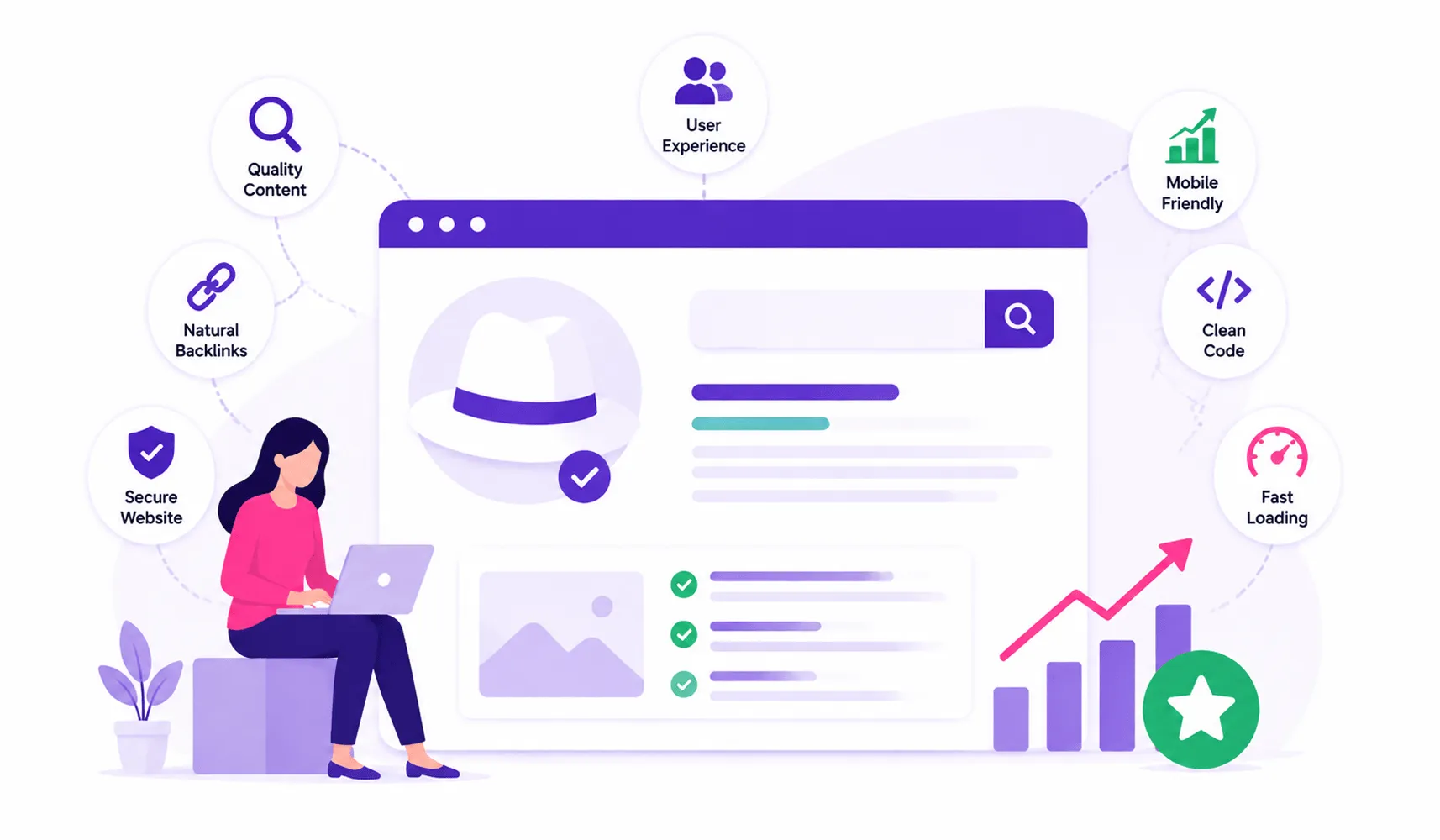
White hat SEO methods focus on:
- Creating content that genuinely helps your audience
- Earning backlinks through quality, not manipulation
- Building a website that loads fast and works on every device
- Structuring your pages so search engines can understand them
It’s not glamorous. But it works.
White Hat SEO vs Black Hat SEO
Before we get into techniques, let’s draw a clear line between the two.
Black hat SEO is about tricking search engines into ranking your site higher than it deserves. These tactics work, sometimes really well, in the short term. Then Google rolls out an update, and it all collapses.
Here’s a quick breakdown of what separates the two:
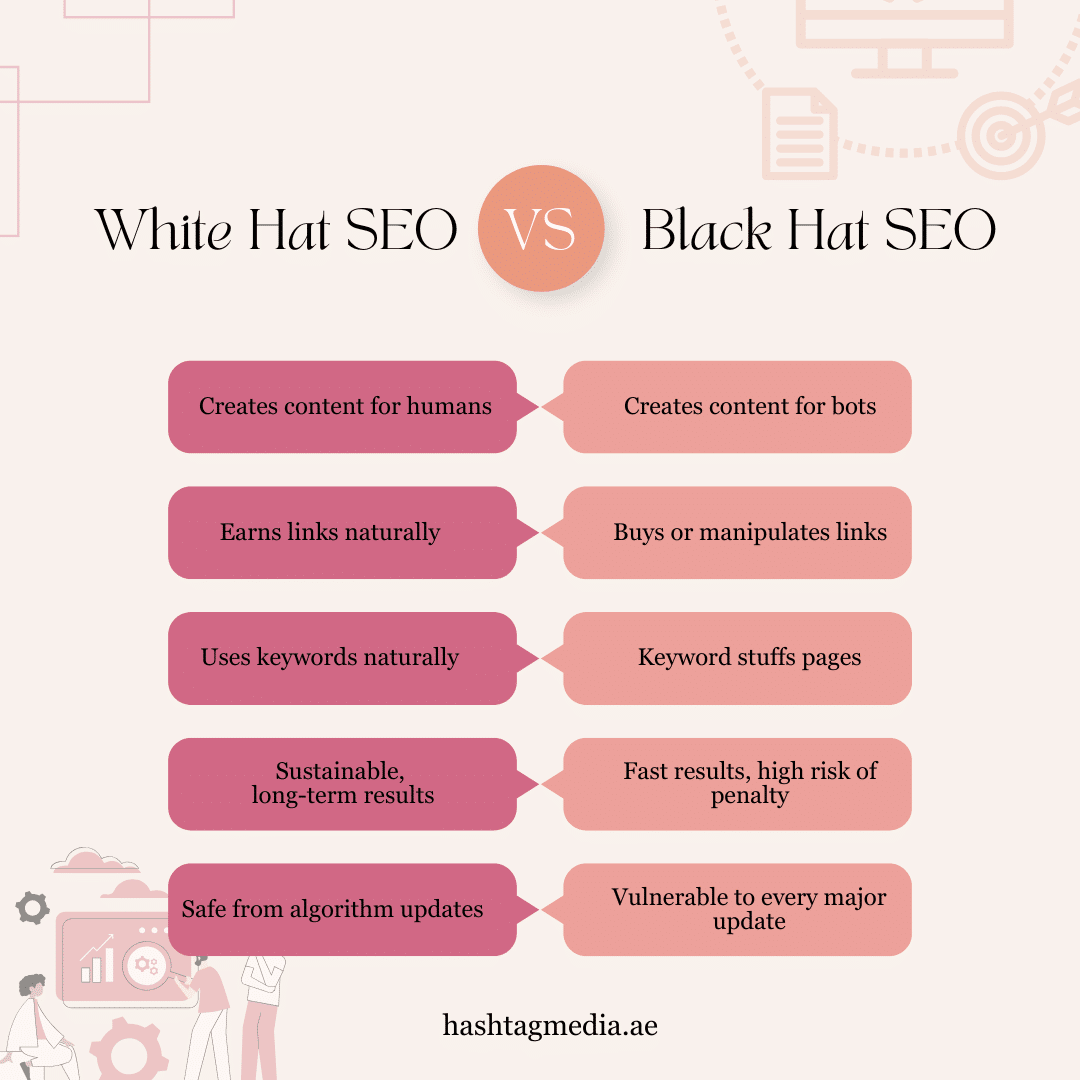
Black hat tactics include things like buying backlinks in bulk, creating duplicate content, hiding white text on a white background, and using private blog networks (PBNs). These tricks might game the search engine results temporarily, but they never last.
The risk isn’t just losing rankings. Google can deindex your site entirely. That’s game over.
White hat SEO might take longer. But you’re building on solid ground, not a house of cards. And if you ever hire a white hat SEO expert to manage things for you, this is the exact philosophy they should operate by.
10 White Hat SEO Techniques for Better Rankings
Let’s get practical. Here are ten techniques that actually move the needle.
Do Proper Keyword Research
Credit: semrush.com
Everything starts here. If you’re targeting the wrong keywords, none of the other techniques matter.
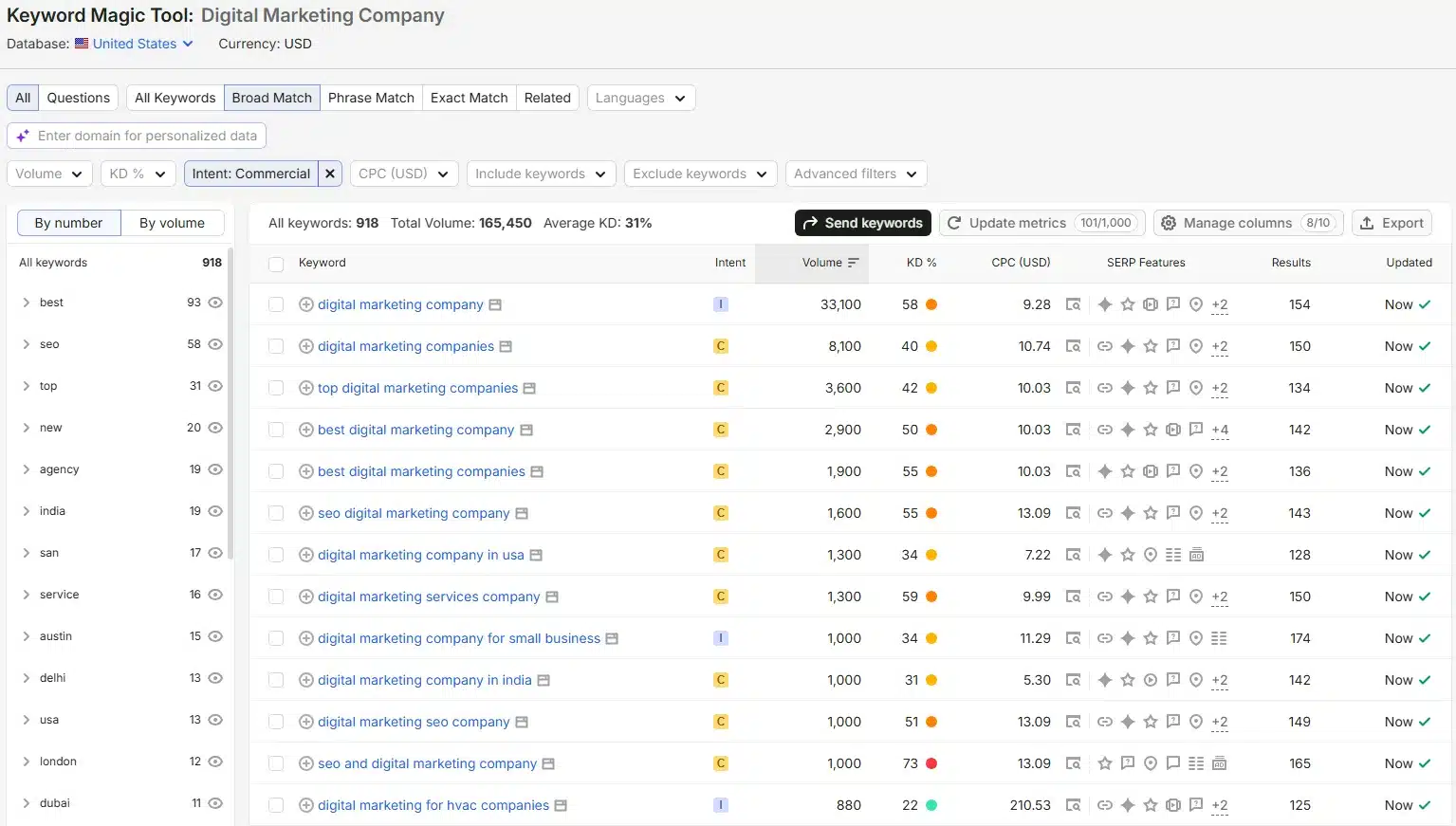
Keyword research is not just about finding high-volume terms. It’s about understanding what your audience actually wants when they search. Done right, it’s one of the most powerful white hat tactics in your arsenal.
Start with Google auto-complete. Type a keyword and see what Google suggests. This tells you what people are searching right now, in real time.
Tools like Google Keyword Planner, Ahrefs, and Semrush can help you go deeper. Use them to study competitor analysis data too, and find out which keywords your competitors rank for that you don’t. That gap is your opportunity.
Look for keywords that match buyer intent. Someone searching “best white hat SEO services” is much closer to hiring than someone searching “what is white hat SEO.” Both matter, but they need different content.
Map your keywords to the funnel:
- Top of funnel — Informational queries (“how to do white hat SEO”)
- Middle of funnel — Comparison queries (“white hat SEO vs black hat SEO”)
- Bottom of funnel — Action queries (“best white hat SEO agency in Dubai”)
Also pay attention to keyword density as you write. There’s no magic number, but if a keyword appears so often it reads awkwardly, that’s too much. Natural is the goal.
The most overlooked trick? Open Google Search Console and use your web analytics data. Find pages with high impressions but low clicks. Those pages are ranking but not converting searchers. Update them, and you can pick up quick wins without writing a single new piece.
Understand and Match Search Intent
Credit: semrush.com
This one is separate from keyword research, and it deserves its own spotlight.
You can target the perfect keyword and still rank nowhere. Why? Because your content doesn’t match what the searcher actually wants.
Search intent is the reason behind a search. It’s not just what someone typed. It’s what they’re trying to accomplish.
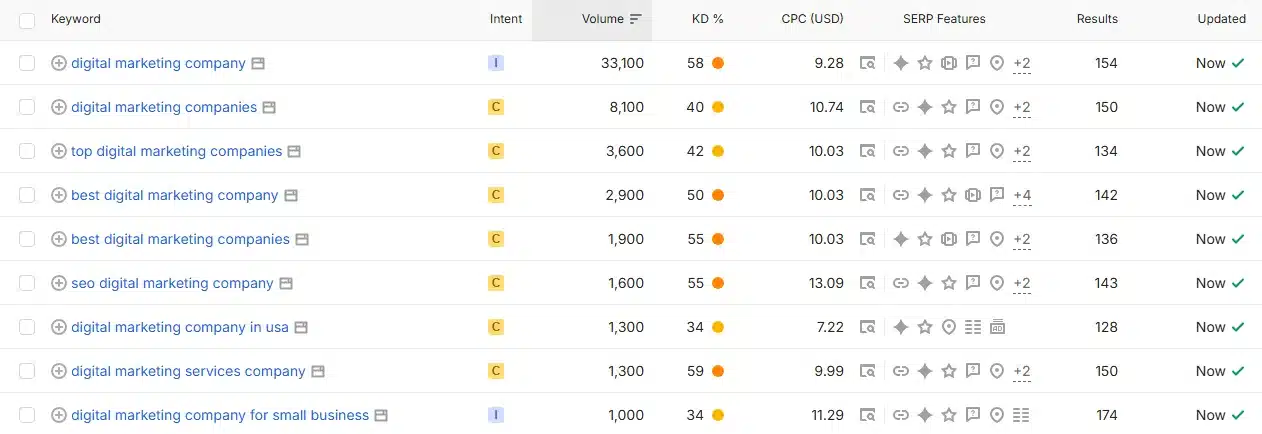
Google organizes intent into four categories:
- Informational: The person wants to learn something. (“what is white hat SEO”)
- Navigational: They’re looking for a specific site or page. (“Semrush login”)
- Commercial: They’re comparing options before making a decision. (“best SEO agency Dubai”)
- Transactional: They’re ready to act. (“hire SEO consultant”)
Here’s where most websites get it wrong. They write a blog post targeting a transactional keyword. Or they put a product page in front of someone who just wants information. The mismatch causes high bounce rates, low dwell time, and poor rankings.
Before you write anything, look at the current top results for your target keyword. What format are they using? Blog post? Landing page? Listicle? Video? Google is already showing you what searchers prefer for that query. Match it.
A few practical ways to identify intent:
- Type the keyword into Google and analyse the results; the format tells you everything
- Look at the featured snippet. If there is one, that’s the type of answer Google thinks people want
- Check the “People Also Ask” section; those questions reveal what else the audience is thinking about
Get the intent right, and everything else becomes easier. Your content stays on the page. Your bounce rate drops. Dwell time goes up. And Google sees that users are satisfied with your search engine results, which is exactly the ranking signal you want to send.
Create Content That Actually Helps People
Credit: hashtagmedia.ae
Google’s Helpful Content Update made one thing crystal clear: content must be made for people, not search engines.
This sounds obvious. But you’d be surprised how much content out there is just filler: 2,000 words that say nothing useful.
Valuable content does three things. It answers the question completely. It goes beyond the surface. And it gives the reader something they can use immediately.
Long-form content earns more backlinks. It signals expertise. And it keeps people on your page longer, which sends a positive signal to Google.
A few practical tips:
- Decide what action you want readers to take before you write a single word
- Use real examples, not vague generalisations
- Include data and statistics where relevant
- Write in plain language; if a 15-year-old can’t follow it, simplify it
And please, don’t hide your main point in paragraph seven. Get to the value fast.
Optimise Your On-Page Elements
Credit: hashtagmedia.ae
On-page SEO is about making sure every part of your page communicates clearly to both Google and your readers. These are the ranking factors you have complete control over, so get them right.
Here’s what to focus on:
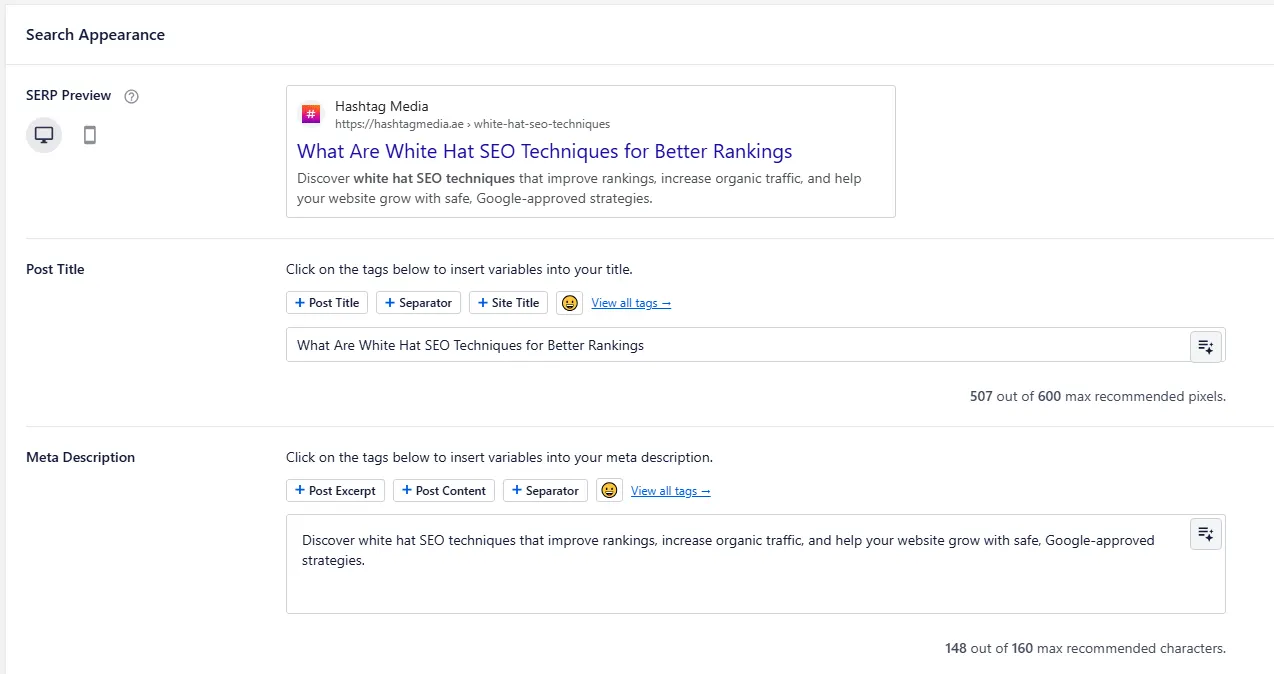
- Meta Tags (Title & Description): Your title tag should be between 50 and 60 characters. Put your focus keyword near the beginning. Make it descriptive and compelling. Don’t just write “SEO Tips.” Write “10 White Hat SEO Techniques That Actually Work in 2026.” Meta descriptions don’t directly affect rankings, but they drive click-through rate.
- Header Tags (H1, H2, H3): One H1 per page, always. Then use H2s for main sections and H3s for subsections. Don’t skip levels. Google reads your header structure to understand your content’s hierarchy.
- Image Optimization: Every image needs descriptive alt text. Keep it under 125 characters. Compress your images before uploading and use modern formats like WebP for faster load times.
- URL Structure: Keep URLs short and keyword-rich. Use hyphens, not underscores. Avoid random numbers and symbols.
- Schema Markup: Adding structured data to your pages helps Google understand your content at a deeper level. It also makes you eligible for rich results in search: star ratings, FAQs, breadcrumbs, and product prices. That kind of visibility directly improves your click-through rate.
Build High-Quality Backlinks (The Right Way)
Backlinks are still one of Google’s strongest ranking factors. But the word that matters here is quality, not quantity.
One link from a relevant, authoritative website is worth more than 50 links from random directories. Your backlink strategies should reflect that.
Here are three white hat link-building approaches that work:
- Guest Blogging: Reach out to reputable websites in your industry and offer to write a guest post. Include a natural link back to your site using relevant anchor text — not generic phrases like “click here.” Nearly 65% of link builders consider this the most effective tactic. Aim for long-form content of at least 1,500 words.
- Broken Link Building: Find broken links on other websites in your niche. Then reach out to the site owner, point out the broken link, and suggest your content as a replacement. You’re solving a problem for them. That’s a win-win.
- Create Link-Worthy Content: Publish original research, data-driven articles, or comprehensive guides. Content that contains unique data earns links naturally. Other writers cite it. Other websites reference it. This builds referral traffic and compounds over time.
What you should never do: buy links in bulk, join link farms, or participate in private blog networks. These backlink strategies get websites penalised, hard.
Fix Your Technical SEO
Credit: hashtagmedia.ae
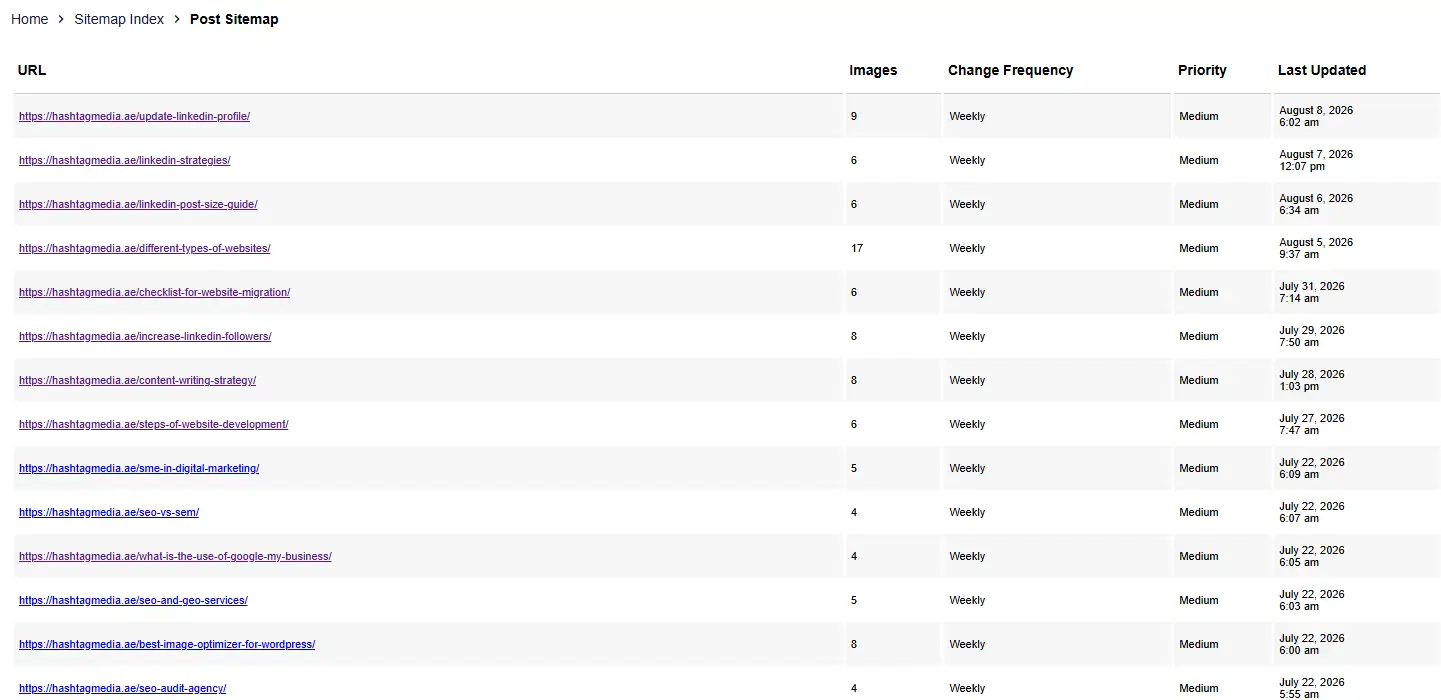
Great content means nothing if Google can’t crawl your site. Technical SEO makes sure your website is accessible, readable, and fast. A proper website audit is the best way to find out where things are breaking down.
Here’s what to focus on:
- Page Speed: A slow site loses visitors before they even read a word. Google’s Core Web Vitals measure three things: how fast your main content loads (LCP should be under 2.5 seconds), how responsive your page is (INP under 200 milliseconds), and how stable your layout is while loading (CLS under 0.1). Image optimization, removing unused JavaScript, and using a CDN all help here.
- HTTPS Security: If your website still runs on HTTP, fix it today. Google has confirmed that HTTPS is a ranking signal. Beyond rankings, users trust a padlock symbol. A site showing “not secure” drives people away.
- Crawl Errors and Indexing Issues: Submit an XML sitemap to Google Search Console. Regularly check for crawl errors and fix them before they pile up. Review your robots.txt file carefully — a misconfigured robots.txt can accidentally block your most important pages from being indexed. Indexing issues are silent ranking killers most website owners never catch.
- Analytics Tools: Set up Google Analytics and Google Search Console if you haven’t already. These are your window into how Google sees your site and how users behave on it. Data analysis from these tools tells you what’s working, what isn’t, and where to focus next.
Make Your Site Mobile-Friendly
More than half of all web traffic comes from mobile devices. Google now uses mobile-first indexing, meaning it looks at your mobile site first when deciding how to rank you.
Mobile optimization is not optional anymore. If your mobile experience is poor, your rankings suffer. Period.
Use Google’s Mobile-Friendly Test to see how your site performs. Check that:
- Buttons are big enough to tap easily
- Text is readable without zooming in
- Content doesn’t overflow the screen
- Pop-ups don’t block the main content (Google penalises intrusive interstitials)
- Pages load quickly; slow mobile pages spike your bounce rate and tank your conversion rate
The simplest solution is responsive design, a single website that adapts to any screen size. Google recommends this as the best approach, and any reputable white hat SEO services provider will tell you the same.
Build a Smart Internal Linking Structure
Credit: hashtagmedia.ae
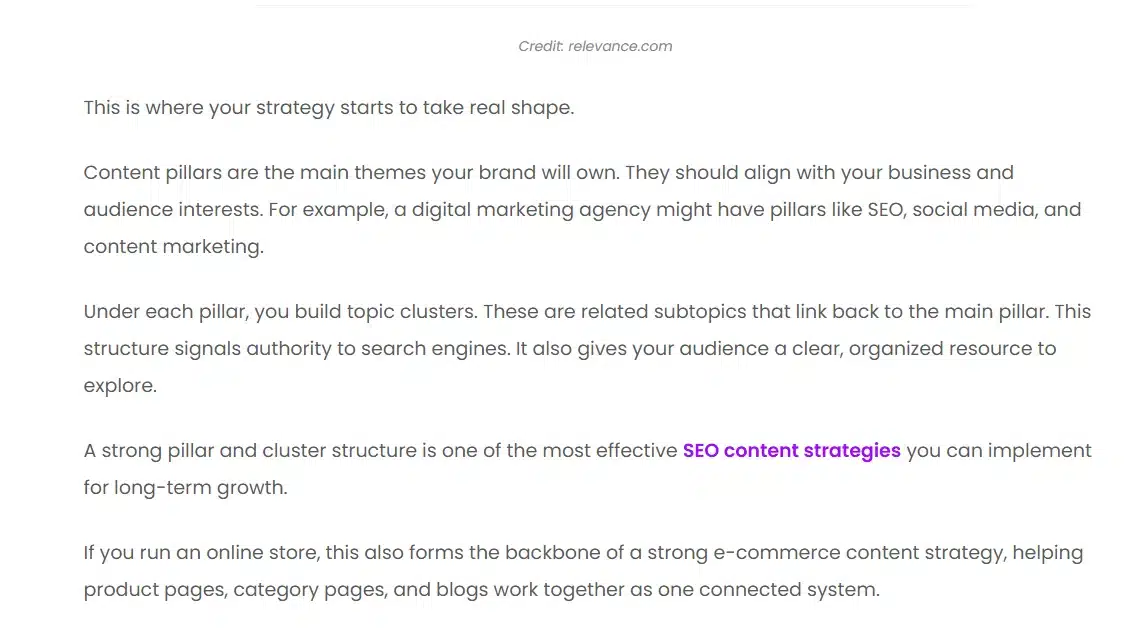
Internal links are links from one page on your website to another. Most people ignore them. That’s a mistake.
Internal linking does three things. It helps users navigate your site and find related content; it distributes authority from your high-ranking pages to weaker ones. And it tells Google which pages you consider most important.
Here’s how to do it well:
- Use descriptive anchor text: not “click here,” but something like “white hat SEO methods for link building.”
- Link to relevant pages naturally within your content
- Make sure your most important pages receive links from multiple other pages
- Build topic clusters: a pillar page on a broad topic, supported by cluster pages on subtopics, all linking back to the pillar
Include internal linking as part of your regular website audit. Run one every six months using tools like Screaming Frog or Semrush. Orphan pages, pages with no internal links pointing to them, are practically invisible to Google. Find them and fix them.
Improve User Experience (UX)
Here’s a signal many people underestimate: how users behave on your site tells Google a lot about your quality.
If people land on your page and immediately hit the back button, that’s a bad signal. If they stay, read, and click through to other pages, that’s a good one.
Improving UX improves SEO. Here’s what to focus on:
- Clear navigation: users should find what they need in three clicks or less
- Fast load times: we covered this, but it bears repeating
- No intrusive pop-ups: a pop-up that blocks the entire page the moment someone arrives is penalised by Google
- Readable typography: enough line spacing, appropriate font size, good contrast
- Clear calls to action: what do you want users to do next? Make it obvious
Also, use HTTPS across every single page. Not just your homepage. Every page.
Refresh Old Content Regularly
Publishing content is not a “set it and forget it” activity. Content decays. Statistics become outdated. Rankings drop. Competitors publish better versions.
The good news is that refreshing existing content is often faster and more effective than writing something new from scratch.
HubSpot found that 76% of their blog views came from old posts. Old content, properly updated, drives real results.
When to refresh:
- Every 3 to 6 months for fast-moving topics (tech, SEO, digital marketing)
- Every 12 to 18 months for evergreen content
What to update:
- Old statistics and data analysis references
- Outdated tool recommendations
- Broken links
- Missing sections that competitors now cover
- Stale meta tags that no longer reflect the content
- Internal linking: add links to newer pages you’ve published since
Use your analytics tools to track performance. Web analytics data from Google Search Console will show you pages with falling clicks or impressions. Those are your first candidates for a refresh. It’s one of the highest-ROI white hat tactics available, especially for sites that have been publishing content for more than a year.
How Do You Know Your SEO Is Really White Hat?

Credit: outsource-philippines.com
Good question. Here’s a simple self-check.
Ask yourself: Would Google be comfortable with this if they could see exactly what I’m doing?
If the answer is yes, you’re in white hat territory.
Specifically, white hat SEO should:
- Be transparent: no tricks, no deception, no hiding content from search engines
- Prioritise users first: every decision is made based on what’s better for the reader
- Build links naturally: through outreach, great content, and relationships
- Follow Google’s Search Essentials guidelines
- Survive a website audit without anything embarrassing turning up
- Feel uncomfortable if you imagine Google’s team reviewing it
If a white hat SEO firm or agency promises to get you to page one in two weeks, without doing a proper competitor analysis, reviewing your site’s indexing issues, or understanding your niche, that’s a red flag. Legitimate white hat SEO services take time. Anyone promising overnight miracles is likely cutting corners.
Why White Hat SEO Takes Longer but Works Better
Here’s the honest truth. White hat SEO is not quick.
You might wait three to six months before seeing meaningful results. Sometimes longer in competitive niches. Algorithm updates can temporarily shake things up too, but if your foundation is clean, you bounce back. Black hat sites rarely do.
But here’s the other side of that coin: black hat SEO works until it doesn’t. And when it stops working, it can wipe out years of work overnight. A single Google core update has destroyed businesses that built their traffic on shaky foundations.
White hat SEO compounds. A high-quality backlink you earned two years ago is still working for you today. Think of it this way. Black hat SEO is like renting traffic. White hat SEO is like owning it.
The brands consistently appearing on page one in competitive industries? They’ve been applying the best white hat SEO techniques patiently for years. They’ve worked with white hat SEO experts who know how to do SEO properly, sustainably, and methodically, without shortcuts. There are no real quick fixes to that kind of authority.
Ending Remarks
White hat SEO is not complicated. It’s just disciplined.
You focus on people and create genuinely useful content. You apply the right white hat SEO methods: keyword research, search intent matching, clean on-page elements, solid backlink strategies, technical fixes, mobile optimization, smart internal linking, strong UX, and regular content refreshes. And you do all of this consistently over time.
That’s it. That’s the whole game.
Frequently Asked Questions
If you are struggling with your SEO campaign, these FAQs might be of good help.
What is white hat SEO in simple terms?
White hat SEO means improving your website’s search rankings using ethical, Google-approved methods. It covers everything from keyword research and meta tags to backlink strategies and mobile optimization, all done without tricks or deception.
How long does white hat SEO take to show results?
Most websites start seeing meaningful improvements within three to six months of consistently applying white hat SEO techniques. Competitive niches can take longer. Algorithm updates can also affect timelines. But the results last far longer than anything black hat can deliver.
What are the main benefits of white hat SEO?
The benefits of white hat SEO include sustainable rankings, improved conversion rate, stronger brand credibility, higher referral traffic, and immunity to Google penalties.
How do I know if I’m hiring a legitimate white hat SEO agency?
A genuine white hat SEO firm will start with a website audit, conduct proper competitor analysis, review your crawl errors and indexing issues, and set realistic timelines. If someone promises page one rankings in two weeks without doing any of this, walk away.
Can white hat SEO work in competitive industries?
Yes. Competitive industries are exactly where white hat SEO proves its worth. While competitors chase shortcuts, you build real authority through quality content, clean technical SEO, and strong backlink strategies. That kind of foundation is what earns and keeps top positions in search engine results.