You can have thousands of followers and still hear silence from your sales team. That is the frustrating part of social media. People watch your videos. They like your posts. They may even share your content. Yet very few ask about your services. The problem is not always your content. The problem is what happens after people engage. Social media lead generation creates a clear path from attention to action. It helps you turn interest into enquiries, bookings, downloads, and real sales conversations. So, what is social media lead generation, and how does it actually work? Let us break it down without the confusing marketing language.
What Is Social Media Lead Generation?

Credit: oxygenfinancial.com
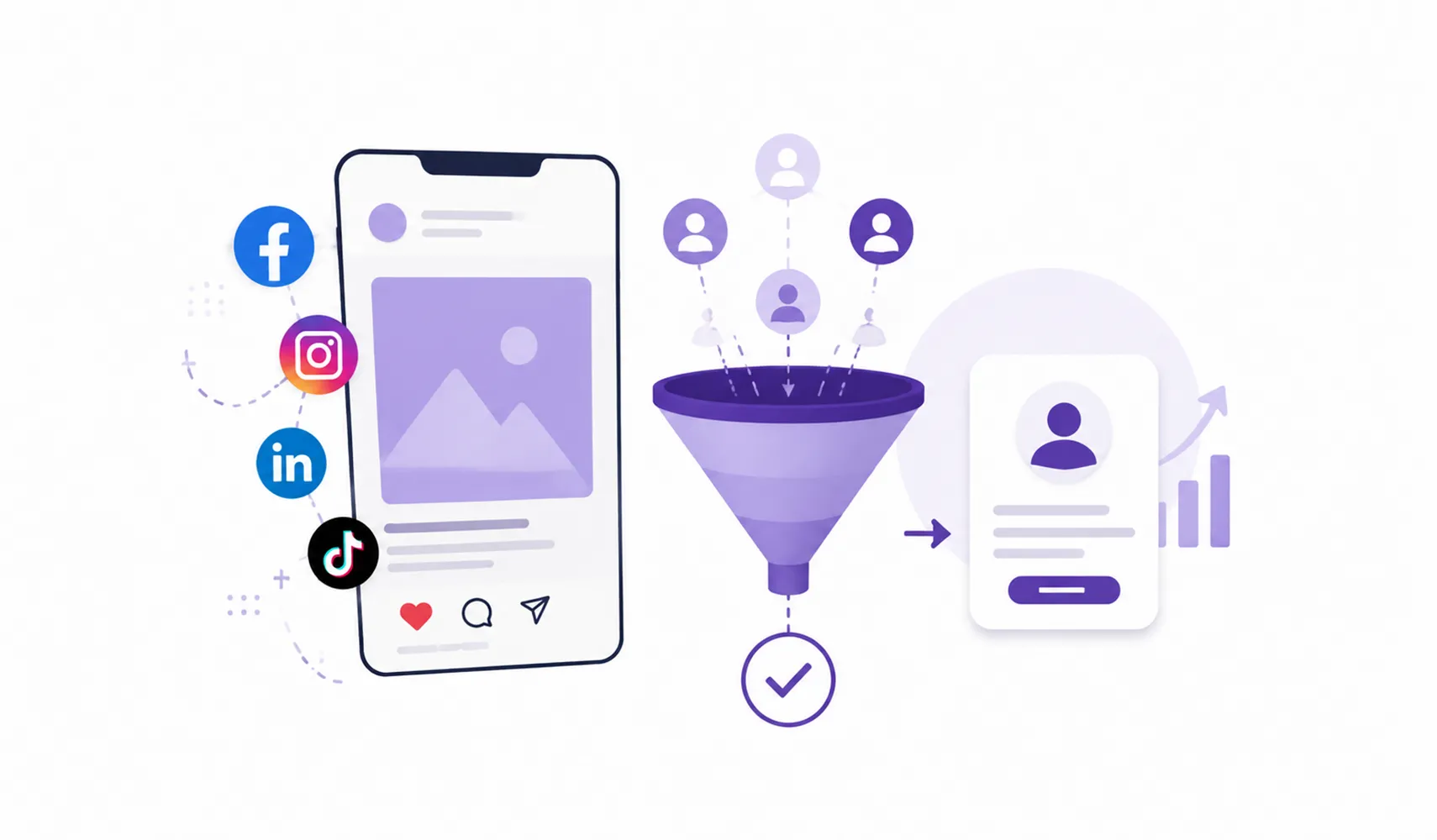
Social media lead generation is the process of attracting potential customers through social platforms.
It also involves collecting useful information from those potential customers.
That information may include:
- Their full name
- Email address
- Phone number
- Company name
- Job title
- Service requirements
A social media lead is more than a follower.
A follower may enjoy your content without needing your product. A lead has shown a stronger level of interest. For example, someone becomes a lead after requesting a quotation. They may also download a guide or book a meeting.
The important part is the action.
A lead has moved beyond simply viewing your content. They have given your business a chance to respond. That is why lead generation through social media focuses on meaningful interactions.
It is not only about growing your audience. It is also about creating opportunities for that audience.
Why Social Media Lead Generation Matters

Credit: newageads.co
Most customers do not discover a business and buy immediately. They usually go through several stages first. They notice the brand, explore its content, and compare available options.
Social media marketing for lead generation can support every stage of that journey. A customer may first discover your brand through an Instagram Reel. They may later visit your profile.
After that, they might read your website or watch a customer testimonial. Finally, they may submit an enquiry. Without a clear lead generation process, that journey can break. The person may enjoy your content but never understand the next step.
A strong strategy creates a simple path forward.
It can help your business:
- Reach the right target audience
- Attract followers who match your customer profile
- Improve audience engagement
- Increase traffic generation
- Capture customer information
- Build stronger outreach strategies
- Support event promotion
- Retarget interested visitors
- Measure campaign performance
- Improve future marketing decisions
The real benefit is not simply more leads. The goal is to attract better leads.
A smaller group of qualified leads can be more valuable than thousands of random followers.
How Does Social Media Lead Generation Work?
Social media lead generation works through a connected series of steps. Each step moves the customer closer to your business.
The process usually begins with attention. It then develops into interest, trust, action, and follow-up.
Let us examine each stage.
You Identify the Right Audience

Credit: texaswebdesign.com
Effective lead generation begins with audience understanding. You need to know who you are trying to attract. You also need to understand their current situation.
Ask yourself several questions:
- Which problem is the audience currently facing?
- How would they like the situation to improve?
- Why might they hesitate or avoid taking action?
You should also consider where they spend time online. A B2B decision-maker may spend more time on LinkedIn. A lifestyle customer may prefer Instagram or TikTok.
The platform matters, but the audience matters more. You should never choose a platform only because it is popular. Choose platforms where your potential customers actively search, compare, learn, or communicate.
This research also supports trend analysis.
It helps you understand changing preferences, common questions, and new customer behaviours.
You Create Content That Attracts Interest
The next step involves useful content.
People rarely share their contact details after seeing one promotional post. They need a reason to trust you first.
That trust develops through consistent and valuable content.
Your content can educate, explain, demonstrate, or solve small problems.
Useful content formats include:
- Educational videos
- Practical checklists
- Short tutorials
- Customer success stories
- Product demonstrations
- Industry insights
- Frequently asked questions
- Before-and-after examples
- Comparison posts
- Storytelling content
Good storytelling content helps people understand your offer through familiar situations. It also makes the message easier to remember. The content should reflect real customer concerns.
Avoid creating posts only because they look attractive. Every post should support a clear purpose. Some posts may build awareness. Others may answer objections or encourage enquiries.
A strong content strategy gives each post a role.
You Build Audience Engagement

Credit: sandstonecastles.co.uk
Audience engagement helps turn passive viewers into active prospects. People are more likely to trust brands that communicate openly.
Reply to comments, answer questions, and start useful discussions.
You can also invite users to share opinions or experiences. Online communities can support this process.
A helpful Facebook Group or LinkedIn community can create regular conversations around your industry. These spaces should not become constant sales channels.
They should provide advice, support, and relevant discussions.
Social sharing can also expand your reach. Useful content often gets shared with friends, colleagues, and decision-makers.
This creates organic reach without depending entirely on paid advertising.
You Present a Relevant Offer
Credit: socialmediatoday.com
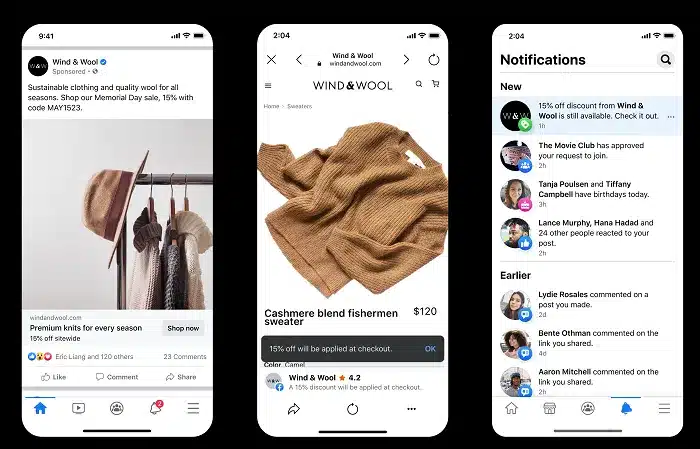
Attention alone does not create leads. You need to give the audience a valuable next step.
This step usually involves an offer.
The offer should match the customer’s current level of interest.
Someone learning about a problem may want a simple guide. Someone comparing providers may want a consultation.
Possible lead generation offers include:
- A free consultation
- A downloadable checklist
- A quotation request
- A free audit
- A product demonstration
- A trial account
- A webinar registration
- A discount code
- A personalised assessment
- A service pricing guide
The offer should solve a clear problem.
It should also feel useful enough to justify sharing personal information.
Generic offers usually produce weak results. Specific offers often attract stronger leads.
You Use a Clear Call to Action
Credit: sprinklr.com
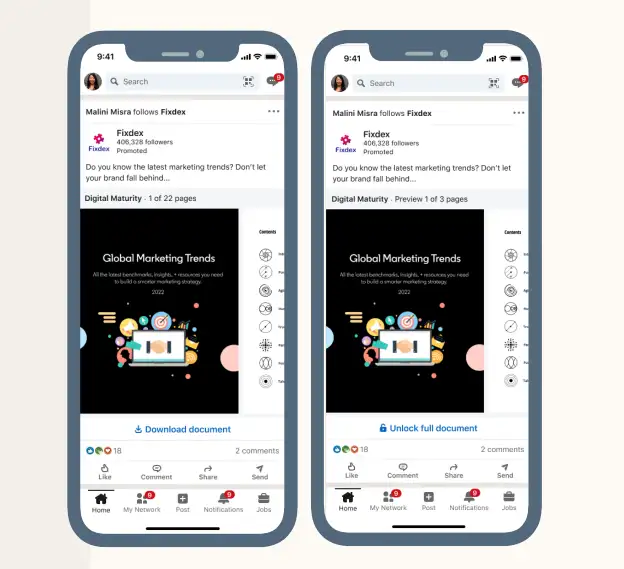
A call to action tells the audience what to do next. Without one, your audience may enjoy the content and continue scrolling.
Your call to action should be direct and simple.
For example, you might say:
- Book your free consultation.
- Download the complete checklist.
- Request a personalised quotation.
- Send us a message for details.
- Register for the upcoming webinar.
The call to action should match the content.
A useful educational post should lead toward another helpful step. A customer case study may lead toward a consultation.
Do not make the audience guess what happens next.
Clear instructions reduce confusion and increase conversions.
You Follow Up With the Lead

Credit: generateleads.online
Many businesses focus heavily on lead collection. They spend less time improving the follow-up process.
This is a serious mistake.
A lead is only valuable when your business responds properly. The follow-up should be quick, relevant, and connected to the original request.
For example, someone requesting a pricing guide should receive that guide quickly. Your team can then ask whether the person needs further assistance.
Do not immediately send an aggressive sales message.
Start by delivering what you promised. Then continue the conversation naturally.
A strong follow-up process may include:
- An immediate confirmation message
- A useful email or resource
- A personalised sales response
- A consultation invitation
- A reminder message
- A relevant case study
- A clear next step
Email marketing can play an important role here.
It helps you share useful resources and continue the conversation over time. Marketing automation can make this process more consistent. It can send relevant messages based on the lead’s actions or interests.
However, automated messages should still feel personal and helpful.
You Nurture Leads That Are Not Ready
Not every lead is ready to buy today. Some people need more information. Others need time, internal approval, or additional trust.
This is where lead nurturing becomes important.
Lead nurturing means staying useful after the first interaction.
You can nurture leads through:
- Email sequences
- Retargeting ad campaigns
- Educational social posts
- Direct messages
- Webinars
- Case studies
- Product updates
- Helpful reminders
Your goal is not constant promotion.
Your goal is to remain relevant while the person considers their options.
A lead may ignore your first offer but respond later. Consistent value keeps your business in their mind.
Which Social Media Platforms Work Best?
There is no single best platform for every business.
The right choice depends on your customers, industry, offer, and content style.
Credit: expandi.io
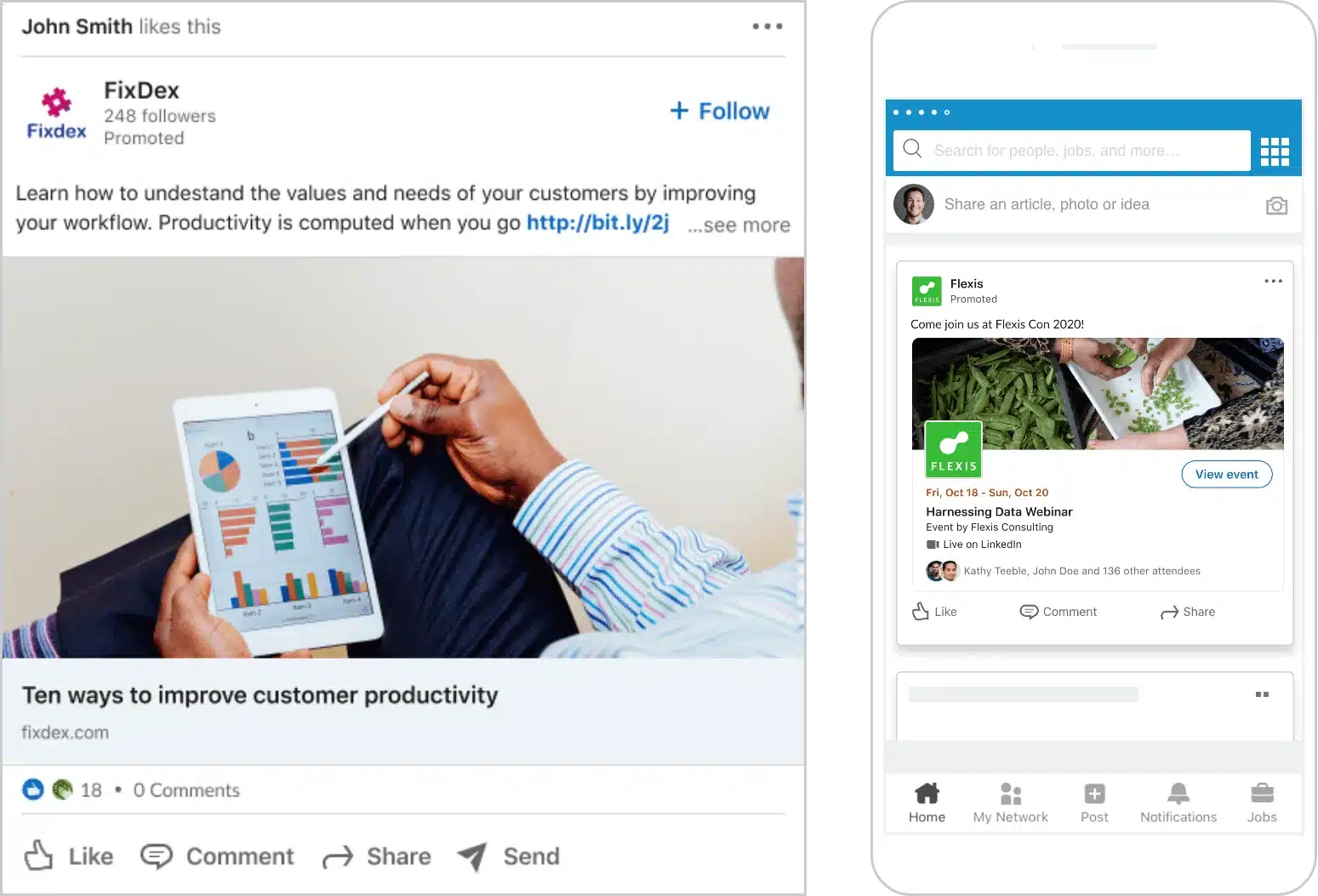
LinkedIn is often effective for social media B2B lead generation.
It works well for consultants, agencies, software companies, recruiters, and professional services. Decision-makers often use LinkedIn to research expertise and compare providers.
Credit: helloleads.io
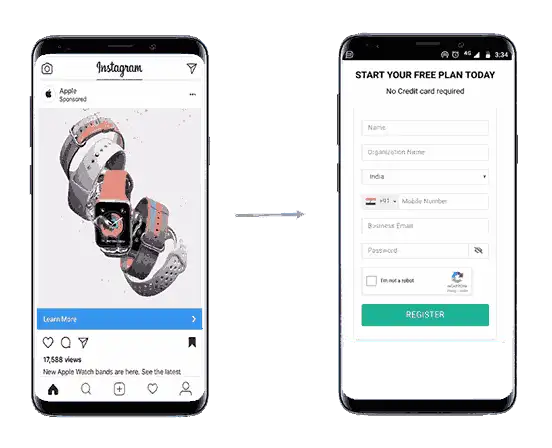
Instagram works well for visually driven brands and customer-focused services.
It can support lead generation through Reels, Stories, direct messages, and profile links.
Instagram is especially useful for brands that can demonstrate results visually.
Credit: hubspot.com
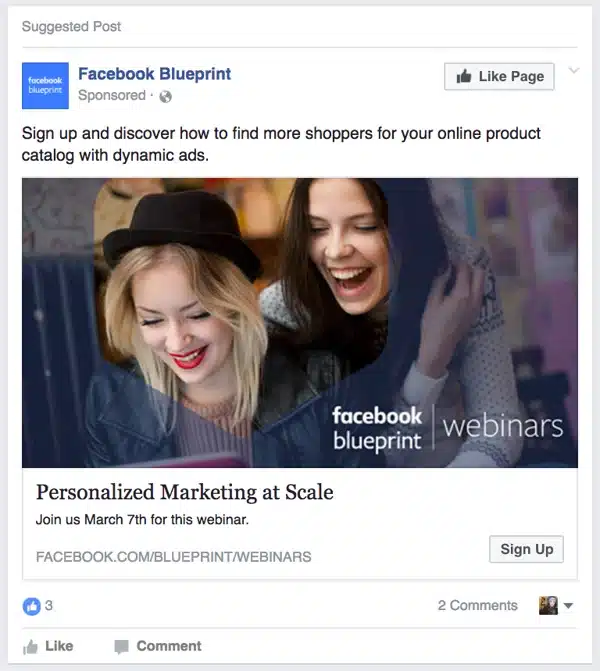
Facebook can work well for local services, online communities, events, and remarketing.
Its advertising tools also allow detailed audience targeting.
TikTok
Credit: zapier.com
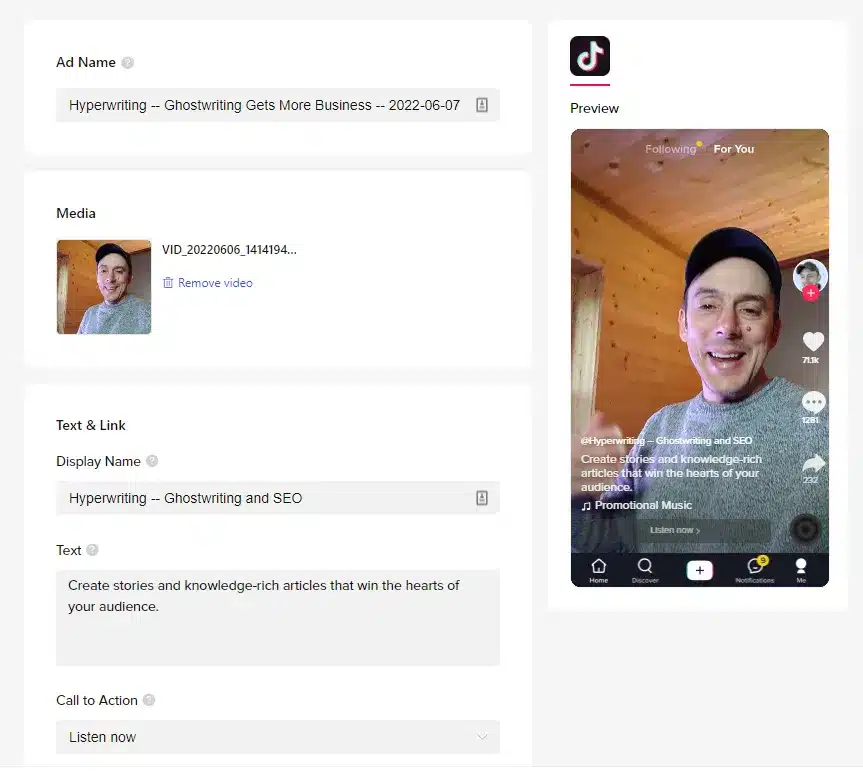
TikTok can attract leads through short, useful, and engaging videos.
It works best when your business can explain complex topics simply.
Authentic content often performs better than heavily polished content.
YouTube
Credit: driftrock.com
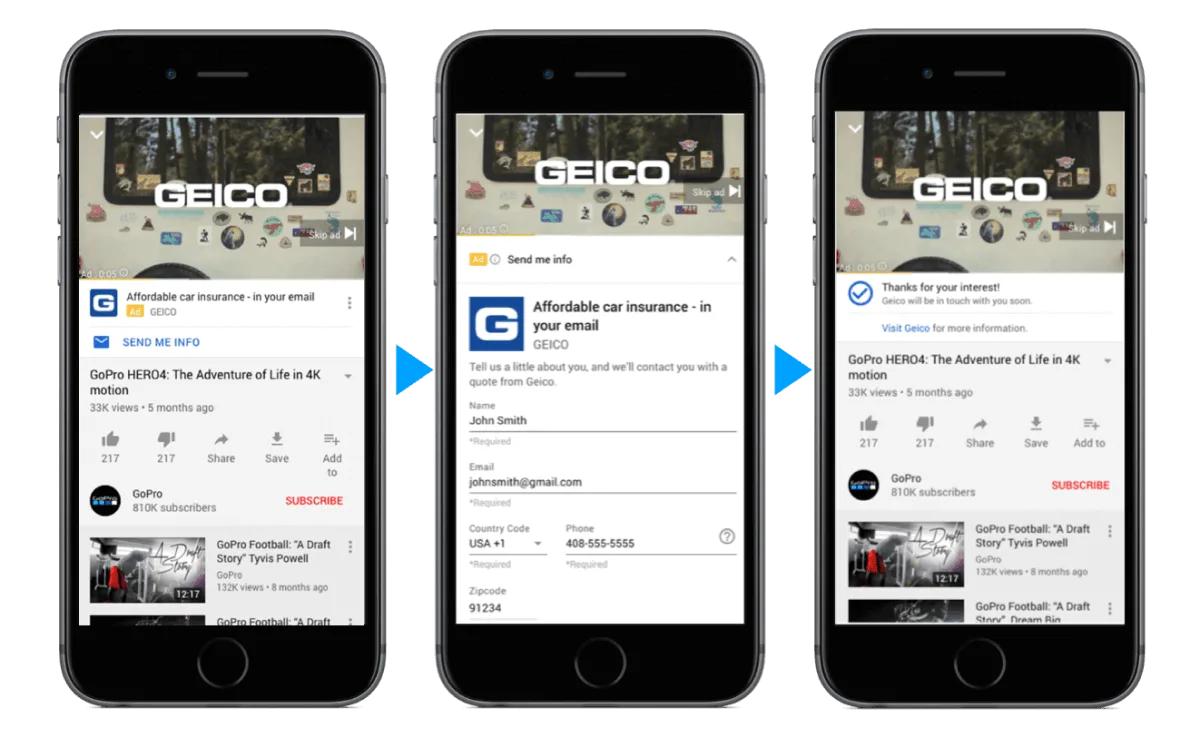
YouTube supports deeper education.
Tutorials, product demonstrations, reviews, and expert discussions can build strong trust.
YouTube content also remains discoverable for longer periods.
Organic and Paid Social Media Lead Generation
Businesses can generate leads with social media through organic content or paid advertising. Both methods can support your strategy.
Organic content builds trust over time. It also helps people understand your expertise and personality. Organic reach may take longer, but it can create stronger relationships.
Paid ad campaigns help you reach targeted audiences faster. They can also support testing, remarketing, and event promotion.
A balanced strategy often uses both. Organic content may educate the audience. Paid advertisements can then promote a specific offer.
Retargeting campaigns can reach people who watched videos or visited your website.
This connected approach usually works better than relying on one method.
How to Improve Lead Quality
Getting more leads is not always the right goal.
You need leads that fit your business.
Lead quality improves when your targeting, content, and offer remain specific.
You can improve lead quality by:
- Defining the ideal customer clearly
- Using specific campaign messaging
- Creating relevant lead magnets
- Adding useful qualification questions
- Excluding unsuitable audiences
- Showing clear pricing expectations
- Explaining who the service is for
- Connecting marketing with sales feedback
You should also review which campaigns produce paying customers.
A campaign with fewer leads may generate more revenue.
That campaign may be more successful than a cheaper campaign with weak leads.
How to Measure Social Media Lead Generation
You cannot improve results without reliable metrics tracking.
Likes and views provide some information. However, they do not show the complete business impact.
Important metrics include:
- Total number of leads
- Cost per lead
- Landing page conversion rate
- Form completion rate
- Qualified lead rate
- Consultation booking rate
- Sales conversion rate
- Cost per customer
- Revenue generated
- Return on advertising spend
Engagement metrics also provide useful context.
Comments, saves, shares, and video completion rates can reveal audience interest. Analytics tools can help you compare performance across platforms. They can show which channels generate traffic, enquiries, and sales.
You should also measure lead quality by platform. Instagram may produce more leads, while LinkedIn may produce higher-value opportunities.
This information helps you invest in the right channels. Do not focus only on reducing cost per lead.
A low-cost lead can still waste time when the person has no genuine interest.
When Should You Hire a Social Media Lead Generation Agency?
Some businesses can manage campaigns internally.
Others may benefit from working with a social media lead generation agency.
An agency may help when your team lacks time, strategy, or technical experience.
It can also support:
- Audience research
- Content planning
- Paid ad campaigns
- Landing page development
- Marketing automation
- Analytics tools
- Metrics tracking
- Campaign optimisation
- Lead nurturing
- Trends analysis
However, the agency should understand your business goals. It should focus on qualified opportunities, not vanity metrics.
Ask how the social media agency measures lead quality.
You should also ask how it connects marketing campaigns with sales results.
Ending Remarks
Social media lead generation turns online attention into real business conversations. Success does not come through random posting. It requires clear targeting, useful content, relevant offers, and simple conversion paths.
It also requires strong follow-up. The best strategy feels natural to the customer, and that is how you generate leads on social media consistently.
Frequently Asked Questions
Here is what businesses often want to know before starting social media lead generation.
What Is Social Media Lead Generation?
Social media lead generation attracts potential customers through social platforms. It also captures their information for future sales or marketing conversations.
How Can a Business Generate Leads on Social Media?
A business can create useful content, target the right audience, and offer a clear next step. It should also use simple forms and relevant follow-up.
Which Platform Is Best for Social Media Lead Generation?
The best platform depends on your audience and business model. LinkedIn often works for B2B brands. Instagram and TikTok often suit visual consumer brands.
How Can a Business Improve Lead Quality?
Businesses can improve lead quality through focused targeting and specific offers. Clear messaging and qualification questions can also reduce irrelevant enquiries.
Should Businesses Hire a Social Media Lead Generation Agency?
An agency can help when internal teams lack time, expertise, or campaign resources. The right agency should focus on qualified leads and measurable business results.