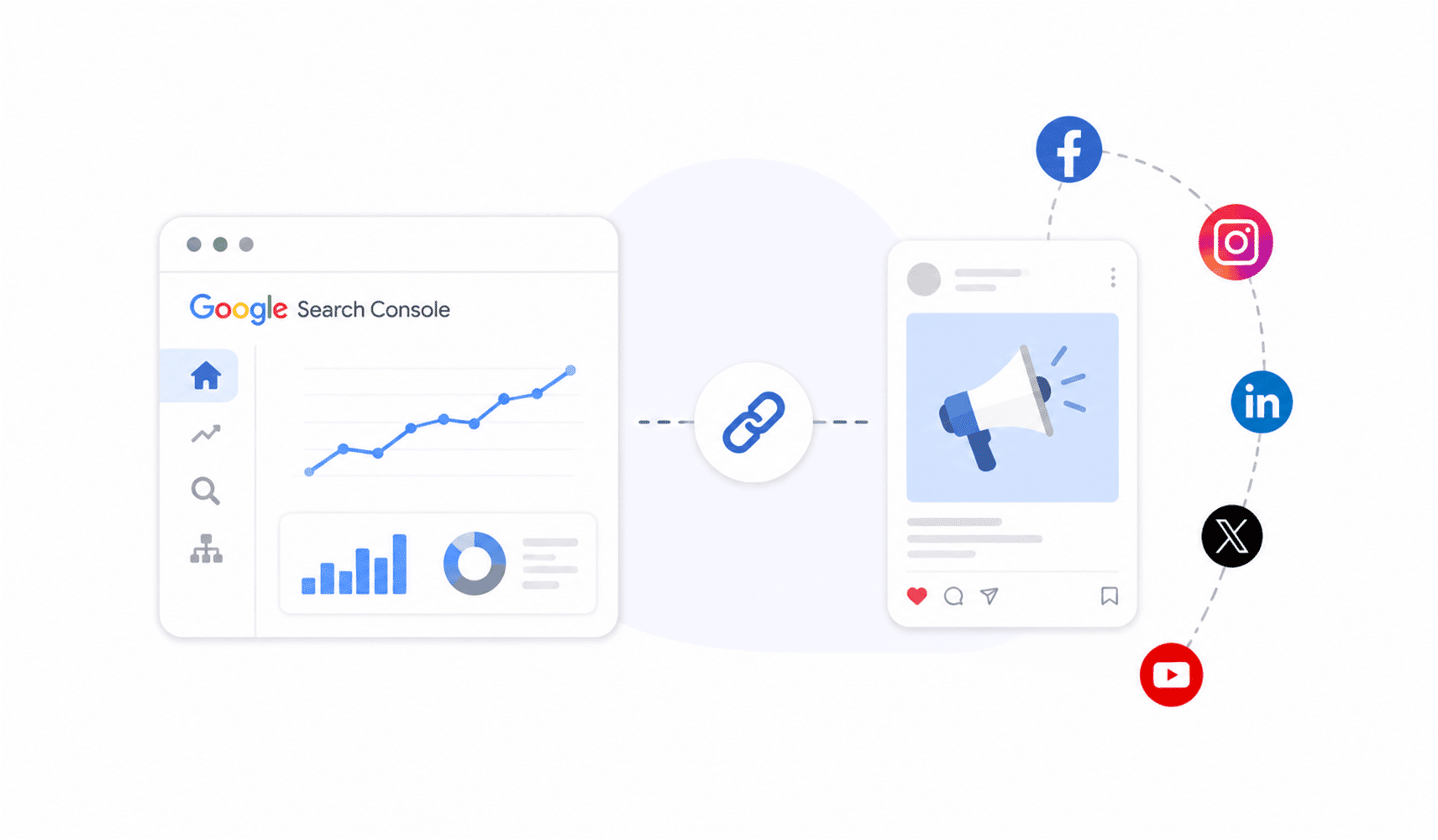
Google just made a change that many marketers have been waiting for. Google Search Console is changing the way marketers look at online visibility. It is expanding Search Console beyond traditional website tracking by introducing support for social and video platform properties. This update creates a new opportunity for businesses to understand how content across different platforms appears through Google Search. For years, marketers had separate dashboards for SEO and social media. Search Console showed website performance, while platforms like YouTube, Instagram, and LinkedIn showed engagement. But audiences never interacted with brands in separate channels.
They discovered videos through search, found businesses through social posts, and moved between platforms before making decisions.
But this update brings those experiences closer together.
The connection between Google Search Console and social media gives marketers a more complete view of how content gets discovered, what attracts attention, and where new growth opportunities exist.
Want to learn more about it? Let’s get into it.
What Is Google Search Console and Why Does It Matter?
Credit: data-flair.training
Before exploring the connection between Google Search Console and social media, it is important to understand the basics.
So, what is Google Search Console?
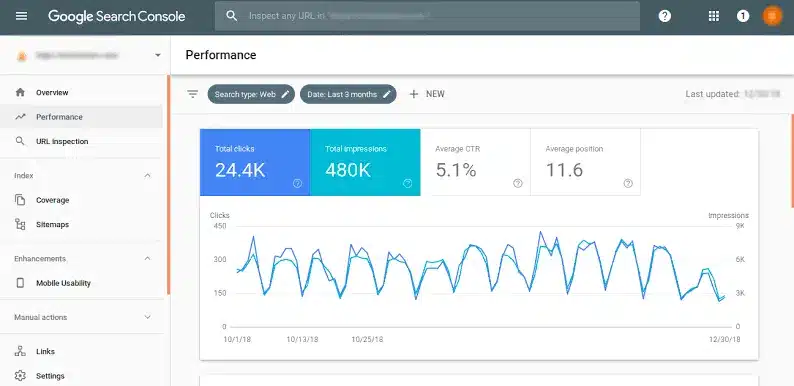
It is a free tool from Google that helps website owners monitor and improve their visibility in Google Search results.
Many businesses use it to analyze the following:
- Search impressions.
- Click-through rate.
- Search queries.
- Average positions.
- Indexing issues.
- Crawl errors.
- Site performance.
- Page speed insights.
One of the biggest advantages of Search Console is that it provides direct information about how Google understands your content.
For example, businesses can discover:
- Keywords that bring visitors to the website.
- Pages that appear in search results.
- Content areas that need improvement.
- Technical issues affecting search visibility.
Google provides Search Console at no cost, making it accessible for small businesses, agencies, and enterprise brands.
However, as digital marketing evolves, businesses need insights beyond traditional website data.
That is where social media enters the conversation.
How Google Search Console and Social Media Are Becoming Connected
Credit: seroundtable.com
The relationship between search and social media has changed significantly.
In the past, marketers treated these channels separately. SEO teams focused on rankings and website optimization. Social media teams focused on engagement and community building.
But customers never experienced these channels separately. A person may discover a product through social media, search the brand on Google, read reviews, and finally make a purchase. Every interaction contributes to the customer journey. The connection between Google Search Console and social media helps marketers understand this broader discovery process. Google’s expanded platform support allows businesses to gain more insight into how supported social and video content appears through Google Search. Previously, marketers often depended only on a social media performance report from individual platforms.
Now, search visibility data adds another layer of understanding.
By combining these insights with effective SEO services, businesses can create more targeted content strategies and improve their chances of reaching the right audience at the right time. At Hashtag Media, we use search data, audience insights, and content optimization techniques to develop SEO strategies that deliver measurable results. Our approach focuses on improving visibility while ensuring businesses attract the right audience, not just more traffic.
How Does Google Search Console Social Media Integration Work?
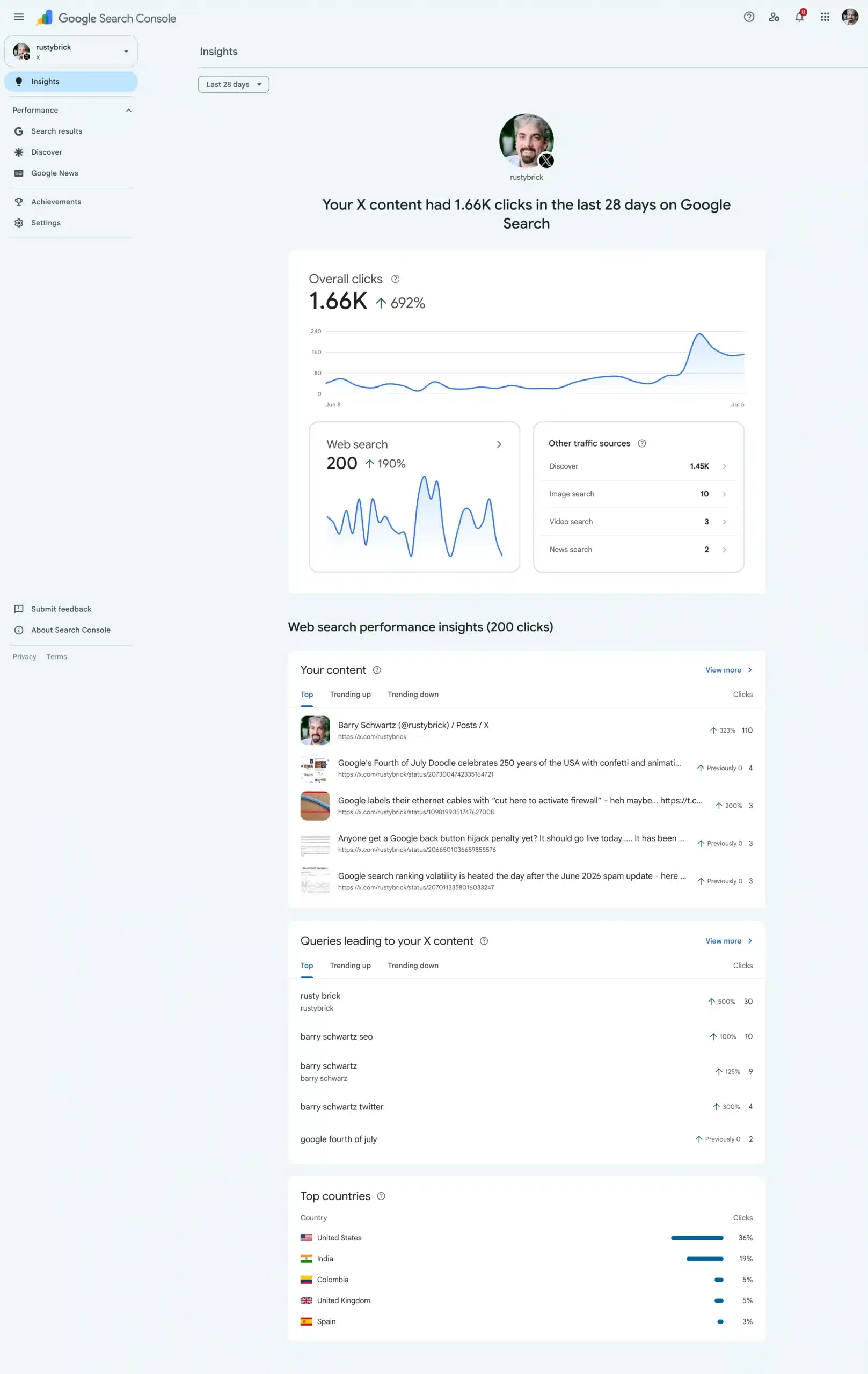
The connection between Google Search Console and social media works by helping marketers understand how content from supported platforms appears in Google Search.
Previously, Search Console mainly focused on websites. Now, it is expanding to provide insights into content published across different platforms.
This allows businesses to understand:
- Which content gets search visibility.
- How users discover their content.
- Which topics create opportunities for growth.
It does not replace social media analytics tools. Instead, it adds search data that helps marketers improve their content strategy.
Which Social Media Platforms Does Google Search Console Support?

Credit: seozoom.com
Google Search Console’s social and video platform support focuses on platforms where content can appear in Google Search results.
These may include platforms such as:
- YouTube.
- Instagram.
- TikTok.
- LinkedIn.
- Other eligible content platforms.
The goal is not to replace platform-specific reporting. Instead, it helps businesses understand how their social content contributes to overall search visibility.
How to Set Up Social Media Properties in Google Search Console?
Setting up supported properties follows a similar process to adding other assets in Search Console.
Businesses need to:
- Sign in to Google Search Console.
- Add the supported property.
- Complete the required verification steps.
- Access available performance insights.
After setup, marketers can combine Search Console data with tools like Google Analytics and social media reports to create a clearer picture of content performance.
The focus is not just collecting data. It is using that data to create better content decisions.
Why This Google Search Console Update Matters for Marketers

Credit: ducttapemarketing.com
This update is important because online visibility is no longer limited to websites.
Today, brands build their presence across multiple platforms.
- A website for detailed information.
- YouTube for educational content.
- Instagram for social sharing.
- LinkedIn for professional authority.
- Google My Business for local discovery.
- Google Ads for paid visibility.
Each channel plays a different role.
The challenge is understanding how these channels work together.
A social media post may create awareness; a Google Search result may create interest, and a website may generate conversions.
This is why marketers need a complete view of performance.
Tools like Google Analytics, Google Search Console, and platform-specific analytics provide different pieces of the same story.
Together, they help businesses understand audience behavior, growth metrics, and conversion opportunities.
How Businesses Can Use Google Search Console Social Media Insights
The biggest benefit of this update is better decision-making.
Data is valuable only when businesses use it to improve their strategy.
Here are some practical ways marketers can use these insights.
Improve Your Content Strategy
Successful content is not created randomly. It comes from understanding what audiences need.
Search data reveals user intent. Social media reveals audience reactions. When combined, these insights create a stronger content strategy.
For example, a fitness brand may notice that a workout video receives strong engagement.
Search insights may reveal that people are finding the content through searches related to beginner workouts.
This information helps the brand create:
- More educational videos.
- Supporting blog articles.
- FAQ content.
- Related social campaigns.
The goal is not simply creating more content.
The goal is creating content that solves real problems.
Understand Social Media Performance Beyond Likes
Credit: developers.google.com
Likes and comments are useful.
But they do not always show the complete picture.
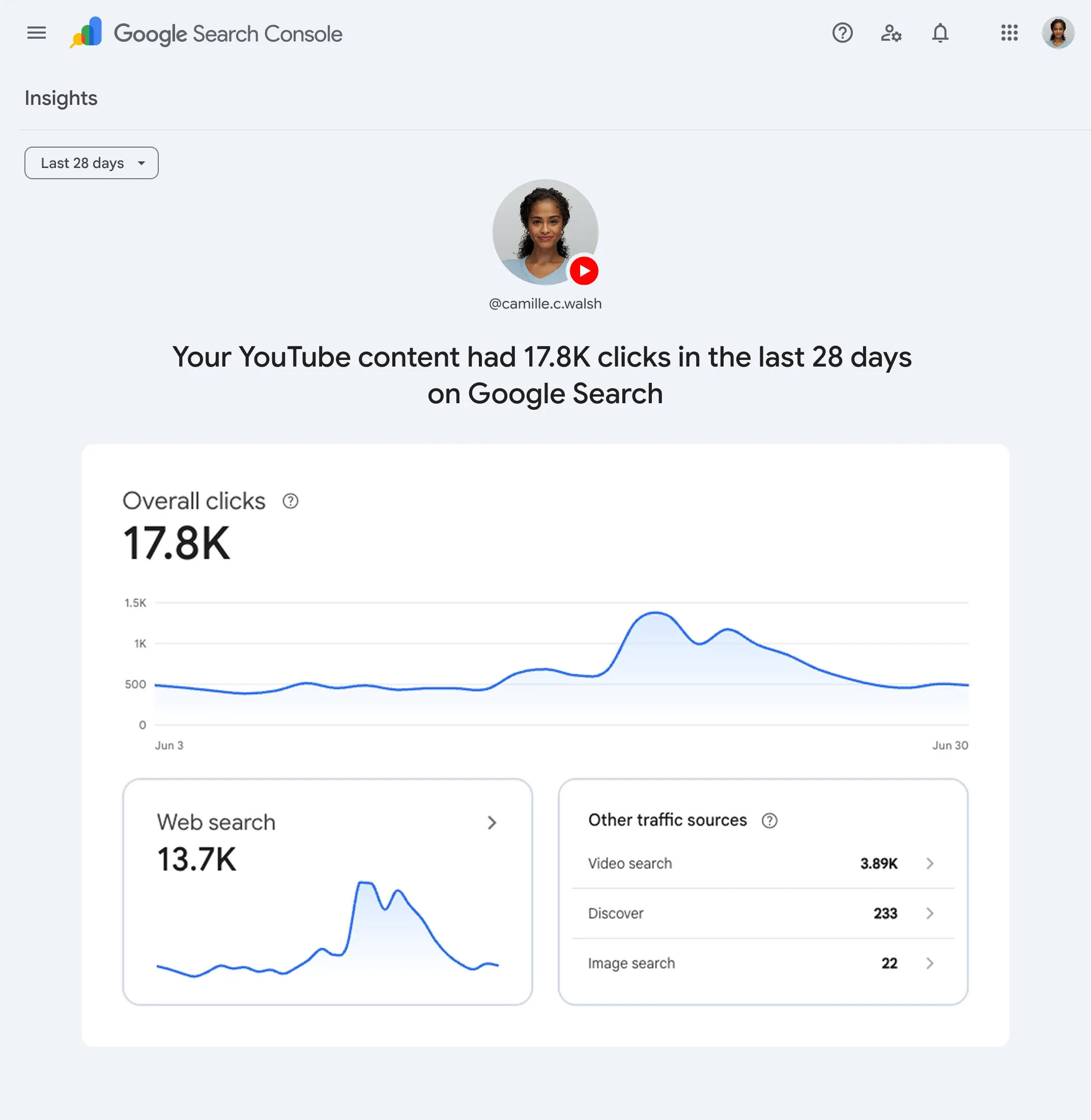
A post may receive moderate engagement but attract valuable search visibility.
Another post may go viral but fail to create meaningful business results.
This is why marketers should look beyond basic engagement numbers.
A stronger approach combines the following:
- Social engagement.
- Search visibility.
- Website activity.
- Conversion tracking.
- Audience behavior.
This creates a clearer understanding of what is actually best for boosting social media performance. By analyzing these areas together, businesses can understand what content truly connects with their audience. With the right social media management strategy, brands can use these insights to create relevant content, improve engagement, and build campaigns focused on measurable results. At Hashtag Media, we help businesses manage their social presence through strategic planning, creative content, and data-driven optimization.
Use Search Insights for Better Campaign Decisions
Many businesses already invest in content creation. The challenge is knowing where to focus their efforts.
Search data can help identify opportunities.
For example, if users are finding your videos through specific queries, you can create more content around those topics.
You can also improve:
- Social media campaigns.
- Website pages.
- Google Ads targeting.
- Educational resources.
This creates a connected marketing system instead of separate activities.
Can You Add Facebook to Google Search Console?
A common search query is “add Facebook to Google Search Console.”
However, Google Search Console is not designed to connect Facebook pages in the same way it connects website properties.
Businesses usually manage Facebook insights through Meta’s own analytics tools.
The important connection is not about adding every social platform directly into Search Console.
It is about understanding how publicly available content can contribute to search visibility.
The same applies to searches around Google Search Console Facebook.
Marketers should focus less on connecting accounts and more on understanding how content discovery works across platforms.
Final Remarks
The connection between Google Search Console and social media represents an important change in digital marketing.
Brands are no longer discovered through a single channel.
People move between search engines, websites, videos, and social platforms before making decisions.
Google Search Console’s expanded capabilities reflect this new reality.
Businesses can now think beyond website rankings and focus on complete digital visibility.
The future belongs to businesses that do not just create content.
It belongs to businesses that understand why people discover that content.
Frequently Asked Questions
With Google Search Console expanding its capabilities, many marketers have questions about how this update affects social content, search visibility, and digital strategies.
What is Google Search Console used for?
Google Search Console helps businesses monitor search visibility, analyze keywords, review performance reports, identify crawl errors, and improve SEO performance.
Is Google Search Console free?
Yes, Google Search Console is completely free and available for website owners, marketers, and businesses.
Can Google Search Console track Facebook performance?
Google Search Console does not replace Facebook analytics tools. Facebook performance is usually measured through Meta’s own reporting systems.
How does Google Search Console help social media strategy?
It helps marketers understand how content discovery through Google Search connects with broader digital marketing efforts.
Why should businesses perform a Google Search Console audit?
A Google Search Console audit helps identify technical problems, indexing issues, and optimization opportunities that can improve search visibility.