

Voice search isn’t some sci-fi concept anymore – it’s here, and it’s changing the game in ways we can’t ignore. I remember a time when I thought voice search was just a fun feature to ask my phone about the weather or the latest news. But then, things took off. With voice assistants like Siri, Alexa, and Google Assistant becoming more than just tools, they’ve become our daily go-to for quick answers. Whether it’s for shopping, finding local businesses, or even ordering takeout, voice search for SEO is reshaping how we interact with search engines – and that’s something every business needs to pay attention to.
So, if you’re wondering how voice search for SEO is impacting your digital presence, you’ve come to the right place. Let’s dive in together and explore how this trend is changing SEO strategies, how it’s forcing businesses to rethink content approaches, and most importantly, how you can leverage it for success. Ready? Let’s get into it!
Introduction to Voice Search
Imagine asking your phone, “What’s the weather like today?” or “Find me the best coffee shop nearby.” With just a voice command, the search engine answers you instantly. Voice search is transforming the way people search online, and it’s all about convenience. With smart devices on the rise, more users are ditching traditional text-based searches and opting for voice queries.
So, why should voice search for SEO matter to you? The simple answer is it’s changing everything. From local SEO to content marketing, voice search impacts the entire SEO landscape.
The Rise of Voice Search
Voice search is gaining traction thanks to the growing use of smart speakers like Amazon Echo and Google Home, as well as the rise of voice-activated features in smartphones. As of 2023, Google reports that over 27% of the global online population uses voice search on mobile devices. The numbers continue to grow each year, making voice search an essential part of SEO.
a) The convenience factor
People love the ease of simply speaking to their devices. Whether they’re cooking, driving, or multitasking, voice search provides a hands-free way to get results quickly.
b) The growing reliance on smart speakers
Amazon’s Alexa, Google Home, and Apple’s Siri have paved the way for voice search to be a regular part of everyday life. As users become more comfortable with these devices, voice search SEO services will play an increasingly vital role in business strategy.
c) The mobile surge
Voice search is most commonly used on mobile devices, which is another reason why optimizing for voice queries is essential.
Voice Search Statistics and Trends

Credit: backlinko.com
Let’s take a look at some interesting voice search statistics that highlight how this trend is reshaping SEO:
- According to comScore, 50% of all searches are expected to be voice-based by 2024.
- Google reports that 58% of people have used voice search to find local business information.
- 52% of voice search users have made a purchase after a voice search query (WordStream).
These trends make it clear: voice search for SEO is no longer just a passing trend. It’s shaping the future of search engine optimization.
How Voice Search Affects SEO Strategies
So, how does voice search impact SEO? The way users phrase their searches is shifting. Voice search SEO strategies differ significantly from traditional SEO because voice queries are more natural and conversational. Here are a few key areas where voice search for SEO impacts SEO strategies:
i. Conversational Language
Voice searches tend to be more conversational. For example, someone might type “best restaurants in Dubai,” but they might ask, “What are the best restaurants near me?” when using voice search. To accommodate this, businesses need to shift their content strategy to answer common questions that users might ask in a conversational tone.
ii. Long-Tail Keywords
Voice search is often used for longer queries, also known as long-tail keywords. So, businesses need to optimize for these longer, more specific phrases that sound natural in a conversation.
iii. Featured Snippets
When it comes to voice search results, featured snippets play a major role. Voice assistants love pulling information from these concise, structured answers to read out loud. That means businesses should focus on providing clear, concise answers that are easy for voice assistants to pick up.
Voice Search and Featured Snippets

Credit: linkedin.com
Featured snippets are short, direct answers to search queries that appear at the top of Google’s search results. These are the golden tickets for voice search SEO. Why? Because voice assistants often pull their answers from featured snippets.
For instance, when someone asks, “What is the capital of France?” voice assistants will pull up the featured snippet (i.e., “The capital of France is Paris”). The goal here for businesses is to optimize their content to be the answer that voice assistants read aloud.
To optimize for featured snippets, you should:
- Provide direct answers in your content.
- Use structured data and clear headings.
- Keep your answers concise (50-60 words max).
The Future of SEO Strategies in a Voice Search-Dominated World
As voice search continues to evolve, businesses need to adapt their SEO strategies to stay ahead of the curve. Voice search is quickly becoming a key factor in how search engines evaluate and rank websites.
Enter Generative AI and Multimodal Capabilities
With the rise of generative AI and multimodal capabilities, search engines are becoming smarter and more intuitive. Google’s BERT algorithm and multimodal search capabilities can now interpret voice queries more effectively, providing even more accurate results.
This means SEO will have to be more adaptive and flexible than ever before. Content strategies will need to focus on being more relevant, context-driven, and optimized for voice search.
Voice Search: A Natural Extension of Semantic Search

Credit: hillwebcreations.com
Voice search aligns closely with semantic search, which focuses on the meaning behind words, not just keywords. When users ask voice queries, search engines need to understand context, intent, and even regional dialects to provide the best results.
Voice search for local SEO is especially important here. Local search queries often contain location-based intent, such as “best coffee shop near me.” Businesses should focus on optimizing for local SEO to ensure they show up for these types of queries.
Voice Search Best Practices
To stay ahead of the competition, it’s essential to integrate voice search optimization into your SEO efforts. Here are some best practices:
- Optimize for local SEO: Ensure your business information is up-to-date and consistent across all platforms, including Google My Business.
- Use structured data: Mark up your content with schema.org to help search engines better understand your data and improve voice search results.
- Focus on mobile optimization: Ensure your site is mobile-friendly since most voice searches happen on mobile devices.
Integrate Voice into Your Digital Marketing Strategy

Credit: locobuzz.com
Incorporating voice search for SEO into your digital marketing strategy is a must. As voice technology continues to grow, businesses must stay on top of this trend. A comprehensive strategy that includes both local SEO for voice search and content marketing will ensure that you reach your audience at the right moment, through the right channels.
To get expert help with voice search SEO services, check out our SEO services page. Voice search is the future, and with the right strategy, you can be ready to capitalize on it.
The Bottom Line
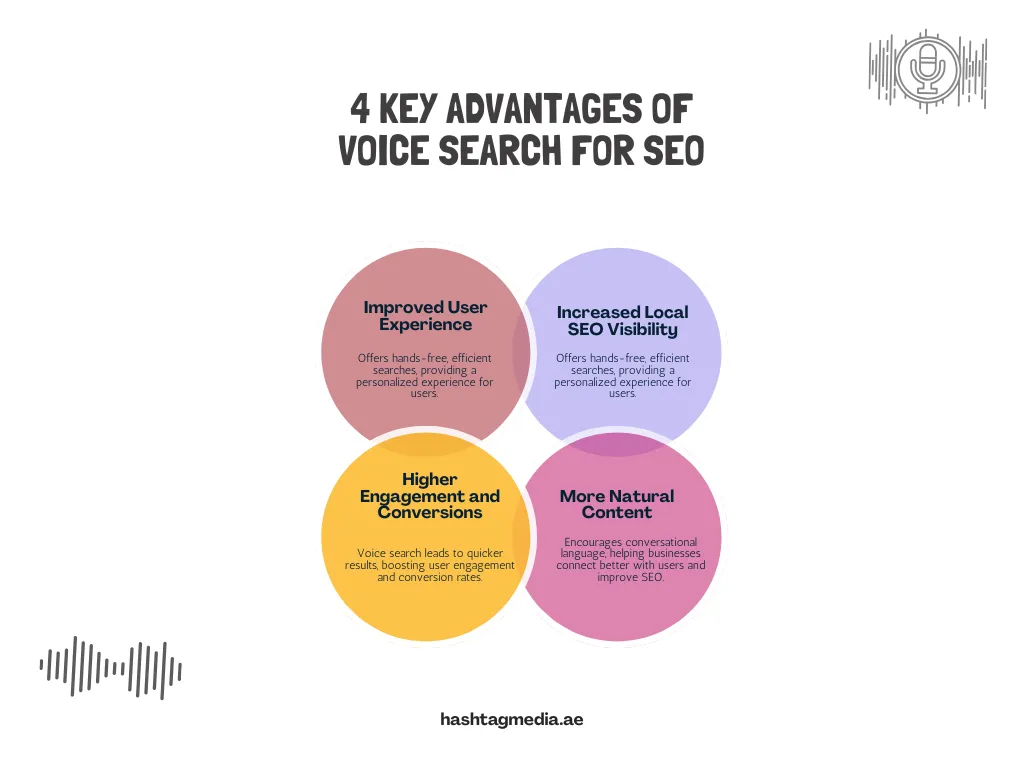
Voice search is more than just a trend—it’s a revolution in how we connect with search engines. By optimizing for voice, you’re not just staying ahead of the curve; you’re creating a seamless, user-friendly experience that will drive traffic, increase engagement, and boost conversions. The future of SEO is here, and it’s spoken, not typed. Start integrating voice search into your strategy today, and watch your digital presence thrive!
FAQ’s
Curious about voice search? Here’s a quick look at the most frequently asked questions!
What does voice search mean for SEO?
Voice search emphasizes the importance of conversational, long-tail keywords and featured snippets for SEO.
How is voice search changing SEO?
Voice search is shifting SEO from traditional keyword optimization to natural language processing, emphasizing local SEO and mobile optimization.
What is the best tool for voice search SEO?
Tools like Google Search Console, Moz, and SEMrush can help optimize for voice search by identifying long-tail keywords and structured data.
How does voice search impact content SEO?
Voice search encourages businesses to create concise, answer-focused content that addresses user queries directly.
How can small businesses benefit from voice search?
By optimizing for local SEO and answering common voice search queries, small businesses can reach a larger audience and improve their visibility.