
So, here’s the million-dollar question: What’s that one thing that can help your small or medium-sized business really stand out and grow? The answer is simple, and it’s all about digital marketing. From making your small business to getting noticed to taking things to the next level, digital marketing helps your message reach the right audience, engage with customers, and drive real results. Let’s chat about why an SME in digital marketing is such a game-changer for your business.
What is an SME?

Credit: apparelresources.com
First things first, let’s make sure we’re on the same page. What is an SME in digital marketing? An SME (Small and Medium Enterprise) refers to businesses that are not part of the big corporate world. If you have a small team, a smaller budget, and work on a more localized scale, you’re probably running an SME. And this is where a digital marketing company can help you. With the right messaging and campaign, your business reaches the target audience.
The key traits of an SME are:
- Fewer employees: Most small and medium-sized businesses have a small team, maybe a handful of people working together.
- Limited resources: While big companies can throw money at problems, SMEs have to be smart with what they have.
- A focus on growth: Marketing for SME businesses is always focused on finding ways to grow without the massive resources that large corporations have.
SMEs are everywhere, and they play a huge role in the economy by offering personalized services and unique solutions. And the good news? Digital marketing for SME businesses can help them compete on a much larger stage, even with limited resources.
What Does SME in Digital Marketing Mean?
When we talk about digital marketing for SME businesses, we’re referring to the use of online tools and strategies to connect with customers, promote products, and grow your business.
Think of it this way:
- Digital marketing includes everything from creating social media posts, writing blog articles, sending emails, and using SEO (search engine optimization).
- For an SME, it’s about using these tools in a way that fits your budget and goals.
The best part? SME in marketing have become a real opportunity for small businesses. Marketing solutions for SME businesses give them a chance to compete with bigger brands without needing a huge budget.
Why SME in Digital Marketing Matters
Okay, now let’s get to the important part: Why does SME digital marketing matter so much?
Here’s why:
A) Visibility & Reach

Credit: copypress.com
In the past, if you were a small business, you had to rely on things like word of mouth or local ads to get your name out there. But today, most people are online. If you’re not showing up in their searches, you’re missing out.
With digital marketing, you can:
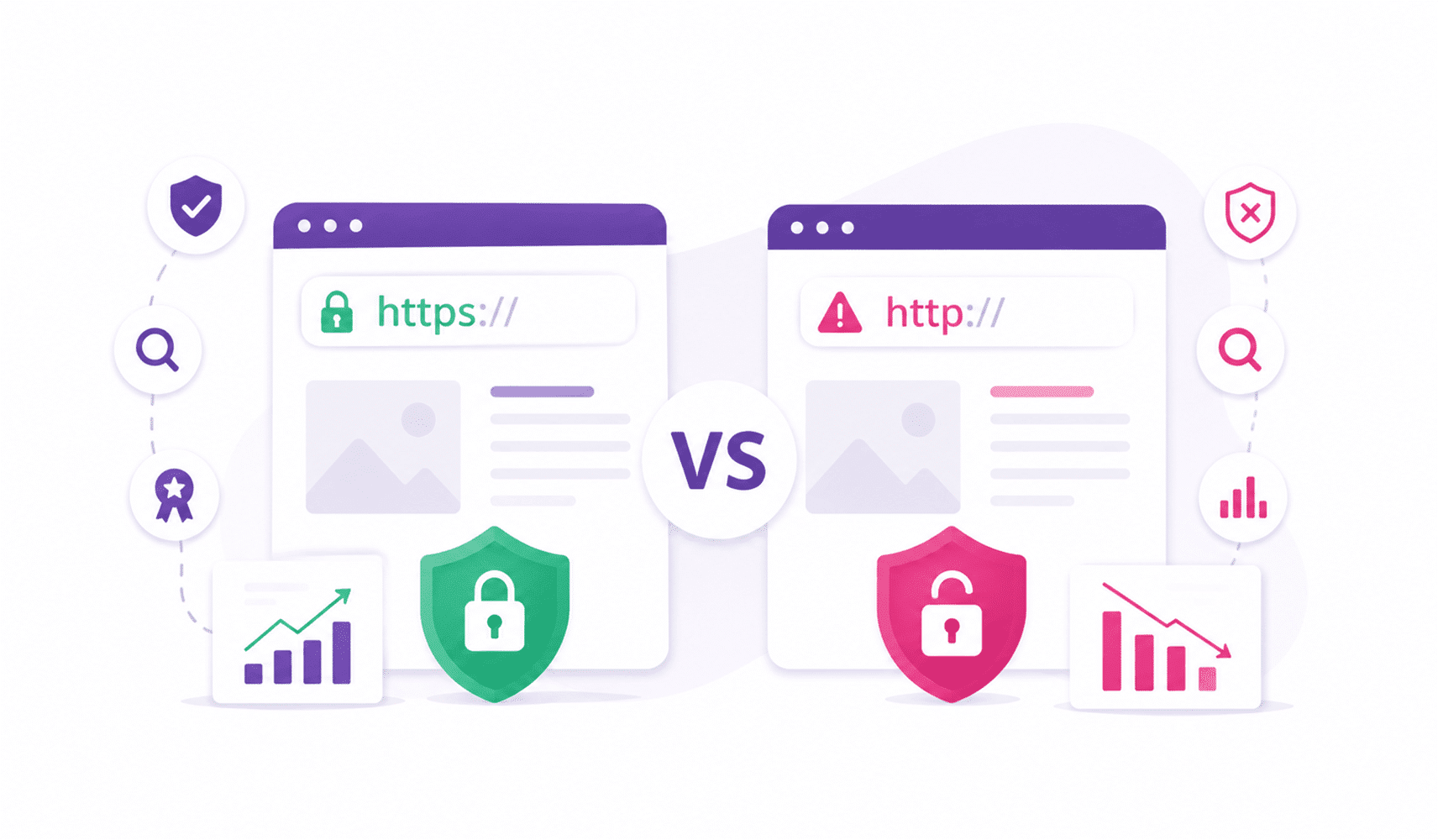
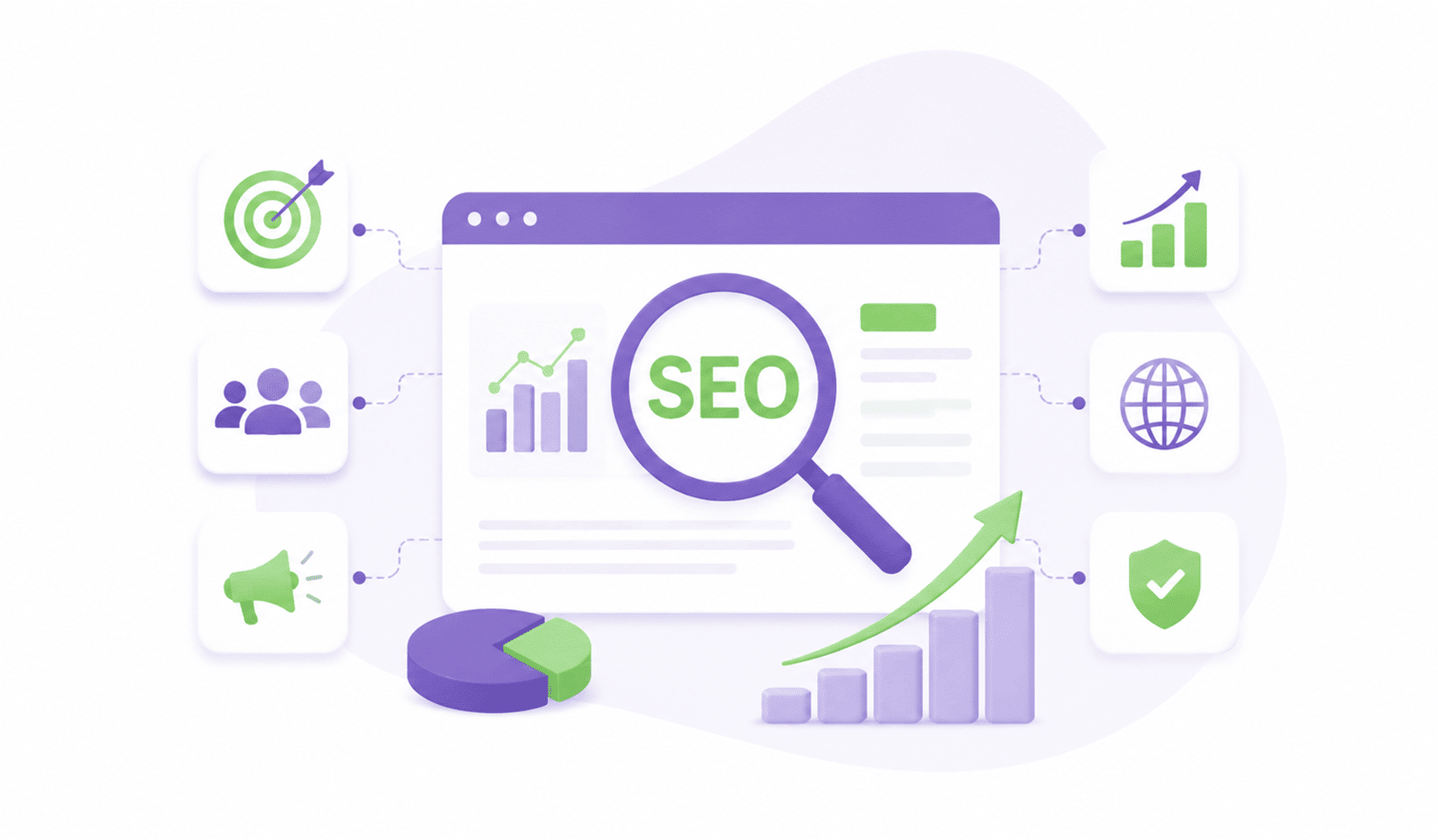
- Be found easily: SEO helps your site rank higher on Google, meaning more people will find you when searching for products or services like yours.
- Reach beyond your city: Marketing in SME businesses is no longer confined to local markets. You can easily reach a global audience.
You don’t need a physical store in every city to be visible. All you need is a strong online presence, and digital marketing is your best friend in doing just that.
B) Cost-Effective Marketing
We know that budgets are tight for SEMs. You might not have the funds for a big billboard campaign or TV ad, but that’s okay; digital marketing offers cost-effective solutions.
Here’s why it’s great for SMEs:
- Affordable entry points: You can start with low-cost tools like social media and content creation.
- Target your audience: Digital ads are super precise. You can target your ads to a specific group of people, reducing wasted ad spend.
Instead of spending hundreds on traditional ads that may not even reach your target audience, you can spend less and get better results.
C) Measurable Results
Credit: uksv.co.uk
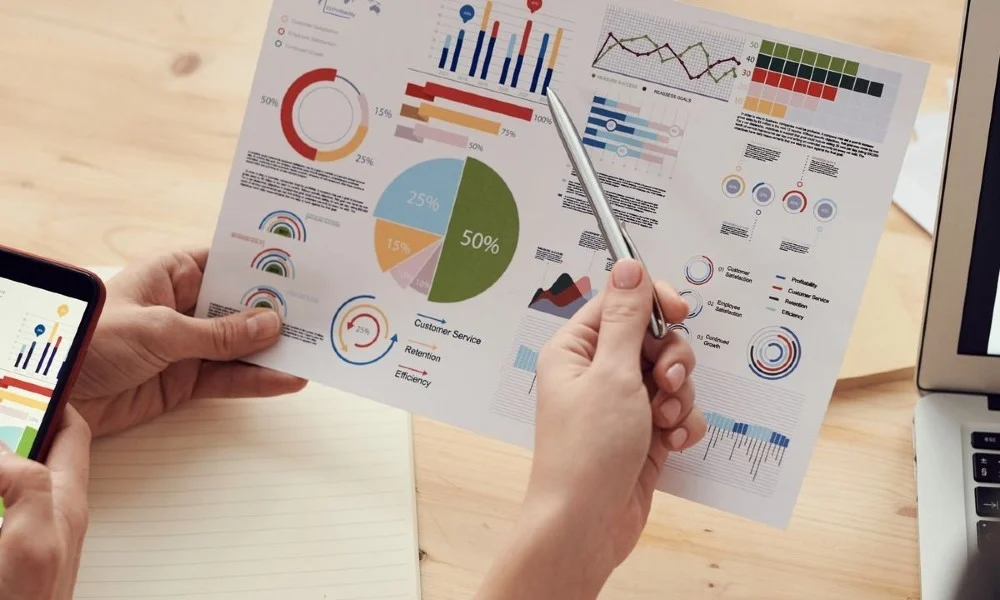
One of the most powerful things about digital marketing is that you can measure everything.
With digital marketing, you can track:
- Website traffic: How many people visited your site?
- Conversions: How many visitors turned into customers?
- Engagement: How many people are liking, commenting, and sharing your content?
This is key for SMEs. You don’t have to guess what’s working and what’s not. You can see it clearly, and you can adjust your strategy as needed.
D) Growing Customer Expectations
These days, customers expect businesses to be online. Whether it’s finding information on Google, engaging with brands on social media, or making purchases online, consumers are more likely to choose a business that has a solid online presence.
If your SME marketing strategy is offline or difficult to find, you could be losing out on customers who simply want to find you quickly and easily.
Overcoming Challenges for SMEs
As much as digital marketing is a game-changer, it does come with challenges. But don’t worry; there are ways to tackle them head-on.
Challenge 1: Limited Budget & Resources
It’s tough when you don’t have the budget that large corporations have. But here’s the thing: you don’t need to spend a ton of money to make an impact.
Solution
- Focus on free tools to start (social media platforms, email marketing).
- Use content marketing (like blogging) to build organic traffic instead of paying for ads.
- Outsource when necessary: If you need expert help, consider consulting for small and medium enterprises rather than hiring full-time employees.
Challenge 2: Time and Overload
Running an SME means you’re already juggling a million things. Adding digital marketing to the mix might feel overwhelming.
Solution
- Start small: Focus on one or two channels first. You don’t need to be everywhere at once.
- Use tools that make your life easier (like scheduling social media posts, automating emails, or using analytics tools).
Challenge 3: Competing with Larger Businesses
It can be intimidating to compete with big companies, but you don’t have to fight them head-on. Instead, focus on what makes your SME unique.
Solution
- Play to your strengths, like personalized customer service and local expertise.
- Target niche audiences that big brands might overlook.
Challenge 4: Measuring Success
If you don’t know what’s working, it’s hard to know where to focus. Without clear data, you might waste time and money.
Solution
- Use analytics tools (like Google Analytics) to track traffic, conversions, and other key metrics.
- Set clear goals from the start so you know what you’re trying to achieve.
Core Components of SME Marketing Strategy
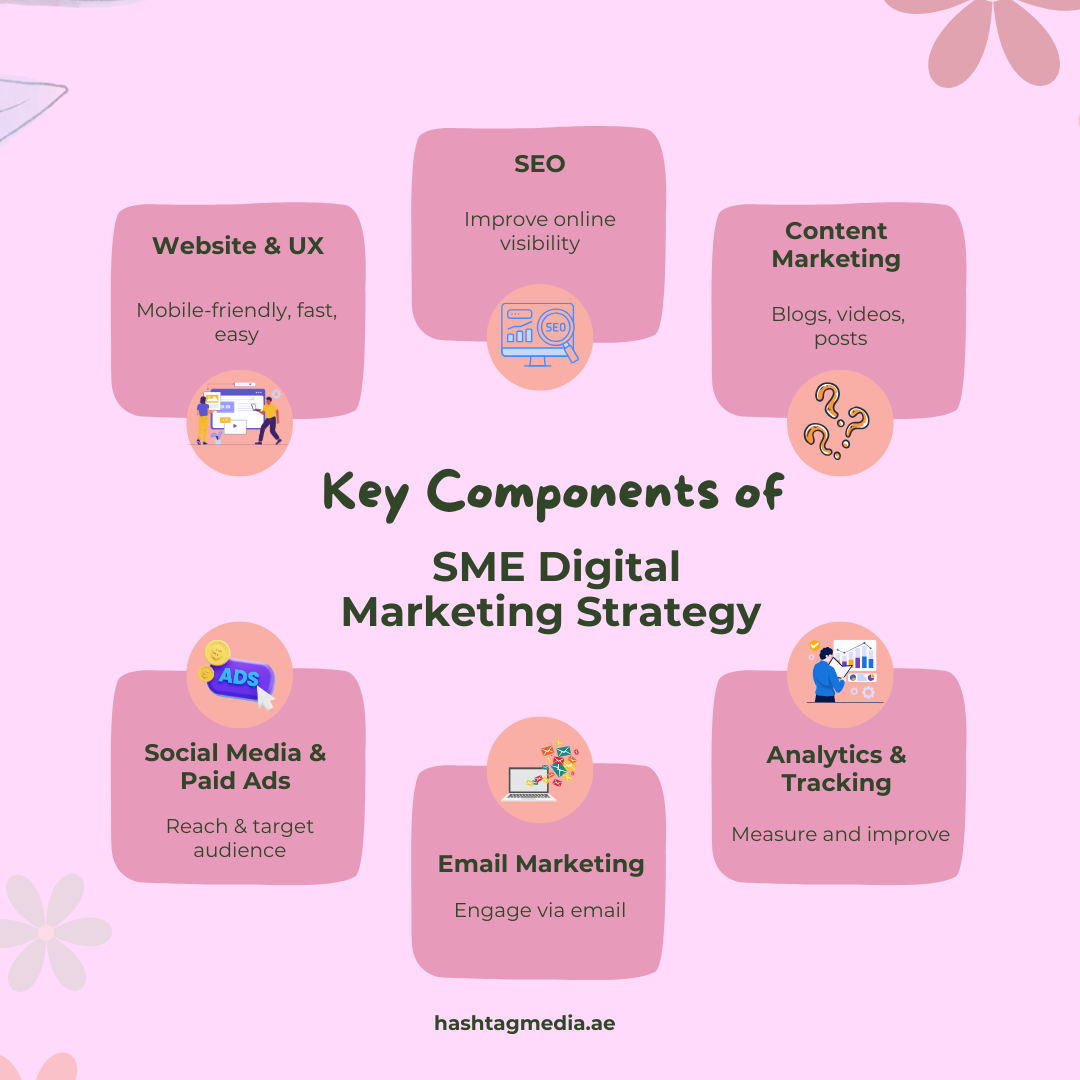
Now that you know why it matters and how to overcome the challenges, let’s break down the core components of an SME in digital marketing strategy:
A) Website & UX (User Experience)
Your website is the heart of your digital marketing efforts. Make sure it’s:
- Mobile-friendly (many users browse on their phones).
- Fast-loading (nobody likes waiting).
- Easy to navigate (clear calls-to-action).
If you’re unsure about how to create content that engages visitors, we’ve got you covered. Check out our website content creation tips to make your site work harder for you!
B) SEO (Search Engine Optimization)
SEO is key to getting noticed online. Here’s how to approach it for your SME:
- Do keyword research to understand what your audience is searching for.
- Create high-quality, helpful content that answers questions.
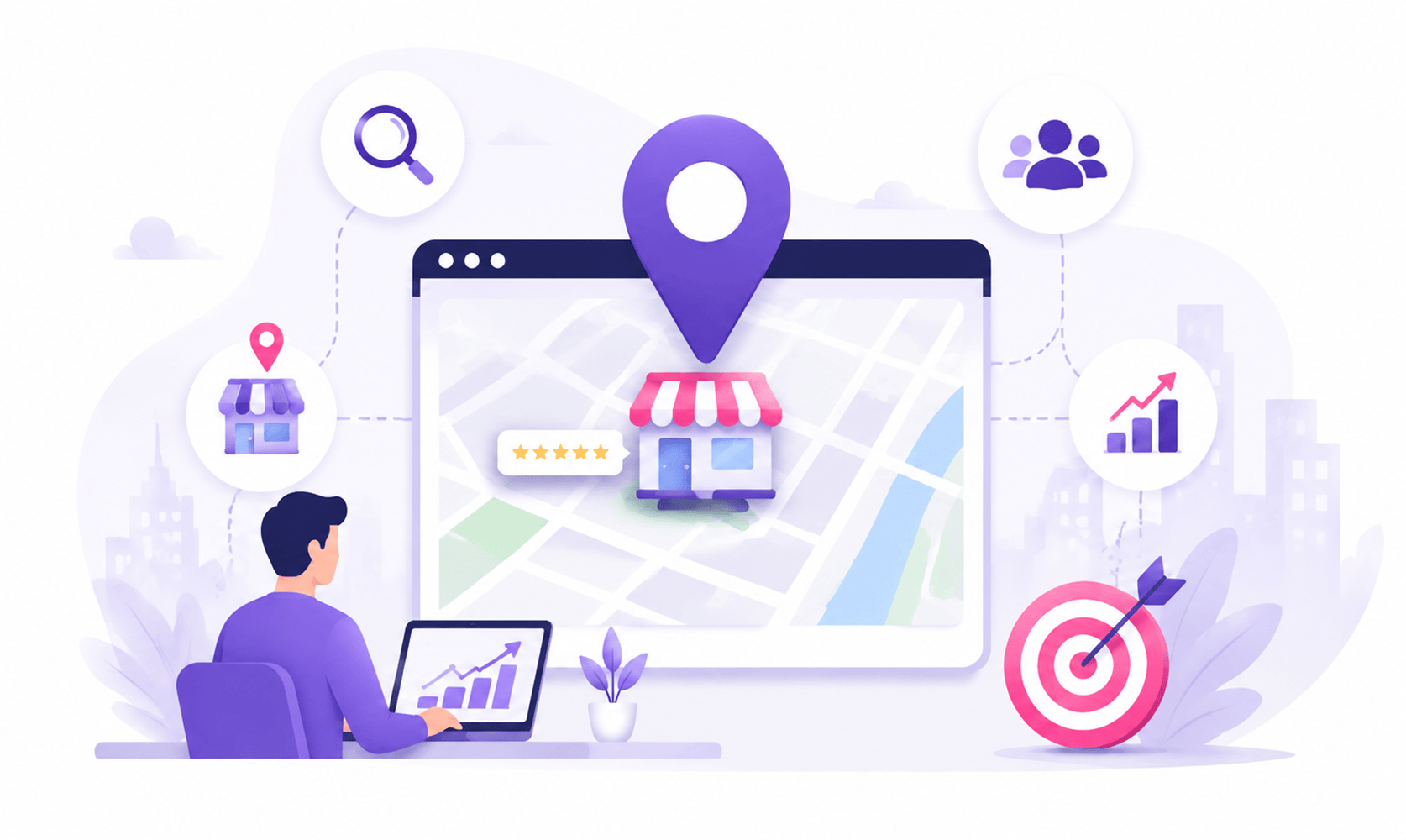
- Optimize your site for local searches (if you’re targeting a specific area).
Looking for expert SEO help? You are in luck. Hashtag Media has experts who can help you achieve your business goals with minimal effort. So, let’s get in touch to discuss your business SEO needs.
C) Content Marketing
As discussed, content is essential. For SMEs:
- Blogs
- Infographics
- Videos
- Social media posts
D) Social Media & Paid Ads
Pick one or two platforms where your audience hangs out (Instagram, LinkedIn, Facebook, etc.).
Test paid ads, but keep a close eye on your budget and results.
E) Email Marketing
Email is still one of the most effective ways to keep in touch with customers and leads. You can send:
- Promotional offers
- Newsletters
- Updates on new content
F) Analytics & Tracking
Finally, track your results and adjust your strategy based on what’s working.
The Wrap-Up
There we go. I think we have learned so far that digital marketing isn’t just for big businesses. It’s essential for SMEs too. It can help you build a strong online presence, attract customers, and grow in today’s digital world. The key is starting with a solid strategy, staying consistent, and adjusting as you go.
So, if you’re an SME ready to take your business to the next level, get in touch with a digital marketing agency today! It’s the best way to get ahead and stay ahead.
Frequently Asked Questions
Need simplified information about SMEs and digital marketing? Here are the answers you might be looking for.
What is the best digital marketing strategy for an SME?
Focus on a strong website, SEO, content marketing, and a couple of social media platforms where your audience hangs out.
How much should an SME spend on digital marketing?
It depends on your budget, but start small and scale up based on what’s working. Digital marketing can be cost-effective, even on a small budget.
How long does it take to see results from digital marketing?
Some results, like paid ads, can be immediate. With organic methods (like SEO and content marketing), it might take several months, but they last longer.
Can I handle digital marketing for my SME on my own?
Yes! Start by focusing on one or two areas, and use tools to help automate processes. As your business grows, you may consider consulting experts for help.
Is SEO really important for SMEs?
Yes! SEO helps your website show up in search results, which is essential for getting traffic. It’s a cost-effective way to increase visibility.