Running Shopify stores today is more competitive than ever. You can have the best products and still struggle with visibility if your SEO strategy is not set up correctly. This is where a strong Shopify SEO checklist becomes essential. It acts like a roadmap that guides your store toward sustainable organic traffic growth. A well-optimized Shopify store does not rely only on paid ads. It builds consistent traffic from the search engine itself. And that is what helps your store scale in the long term. Let’s walk through how to optimize your Shopify website step by step and why each part of this SEO checklist matters.
SEO Setup
Credit: seranking.com
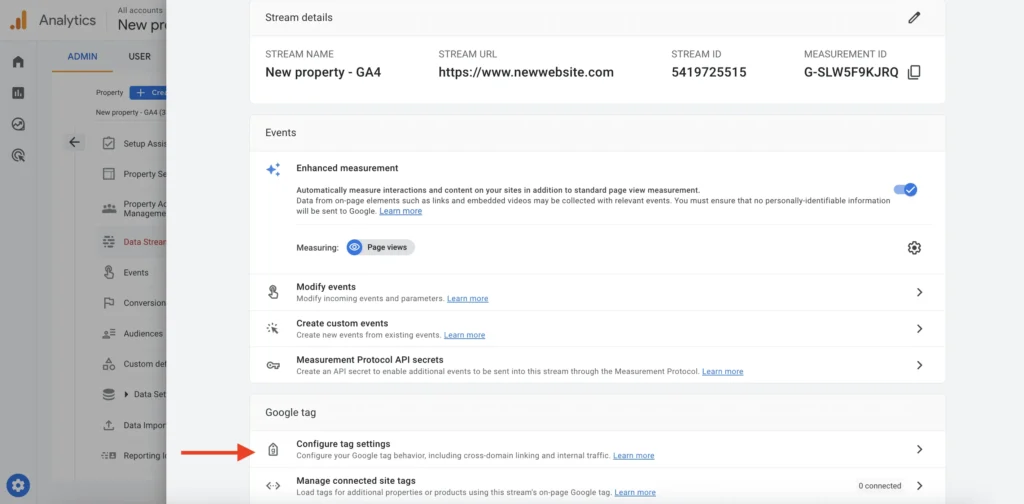
Before anything else, you need to make sure Google can properly access, crawl, and measure your Shopify store.
Start by connecting to Google Analytics. This helps you track where your organic traffic is coming from, which pages convert best, and how visitors behave on your site. Without analytics, you will never know what is working and what needs improvement.
Next, set up Google Search Console and submit your sitemap. Shopify generates this automatically, and it tells Google which pages exist so it can index them faster.
You should also use a custom domain and maintain a clean URL structure. This prevents duplicate versions of your pages from confusing search engines. If your URLs are inconsistent, Google will struggle to understand your store hierarchy.
This setup is the base of technical SEO for Shopify, and it solves many common Shopify SEO problems from the start.
Keyword Strategy
Credit: verpex.com
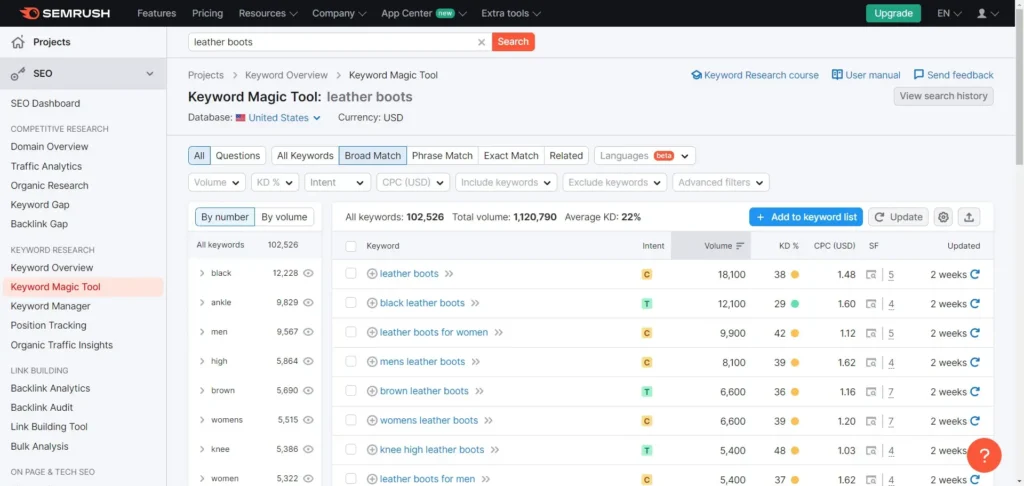
The next step is understanding how your customers actually search for your products.
This is where keyword research plays a major role in Shopify SEO. You are not just targeting words; you are targeting customer intent.
Collection pages should focus on broader, high-intent keywords like “protein powder for women” or “linen shirts for men.” These capture shoppers who are actively browsing and ready to purchase.
Product pages should use more specific keywords that reflect the exact item and its features.
If this feels overwhelming, working with a Shopify SEO expert or Shopify SEO consultant can help you identify the right keywords and structure your pages accordingly. This ensures your SEO services for Shopify focus on results, not guesswork.
Collection Optimization
Credit: gempages.net
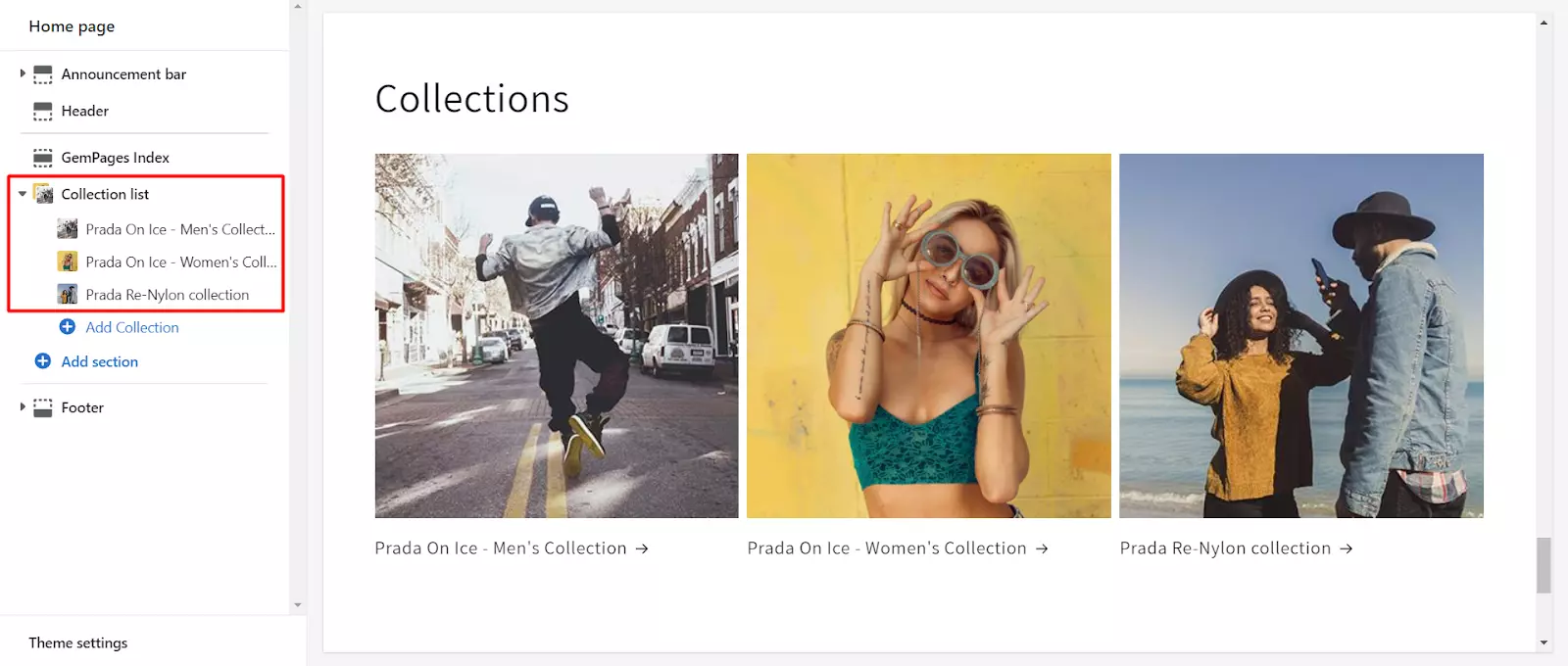
Your collection pages are some of the strongest SEO assets in Shopify stores.
Google tends to rank category pages more easily than individual product pages. That is because collections cover a wider topic and naturally include multiple relevant keywords.
Each collection page should include:
- A keyword-led page title
- A compelling meta description
- A short paragraph explaining what the collection is about
- Internal links to related categories
This helps both Google and users understand your store’s organization. It also supports your broader Shopify SEO service by creating a strong internal linking structure.
If you want to go deeper, consider creating sub-collections for niche audiences. This allows you to capture even more organic search demand.
Product Optimization
Credit: shopify.com
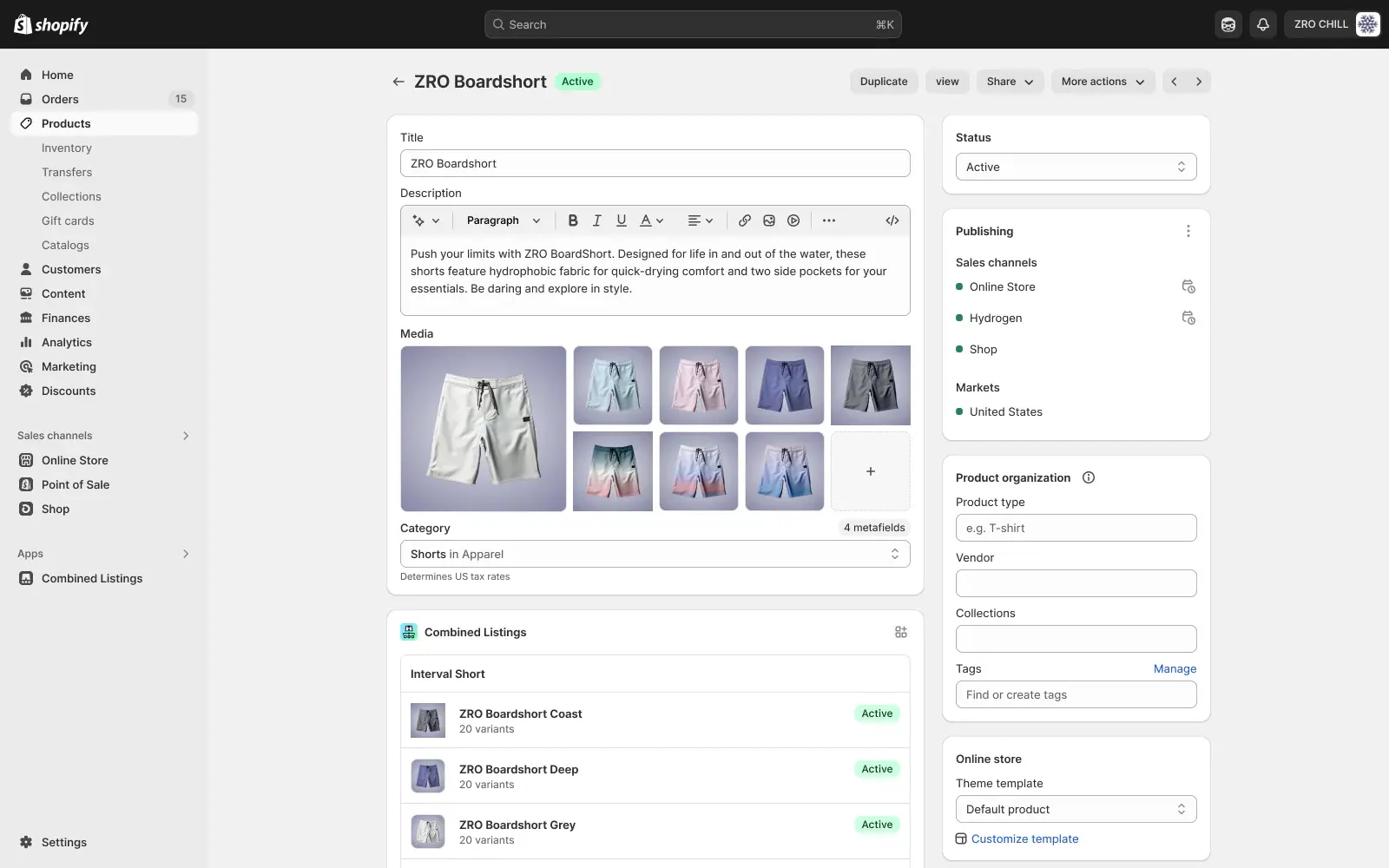
Your product pages are where visitors decide whether to buy.
So your SEO for products must balance search optimization and user experience.
Avoid copying supplier descriptions. Instead, write clear and benefit-focused product content that explains what the product does, who it is for, and why it matters.
A good product description should include:
- The main benefit
- A feature list
- Technical specifications
- Usage or care instructions
- FAQs to answer common buyer questions
This not only improves your Shopify SEO rankings but also builds trust with customers. If you need help scaling this, a Shopify SEO agency or Shopify SEO specialist can ensure all product pages are optimized consistently.
Internal Linking
Credit: logeix.com
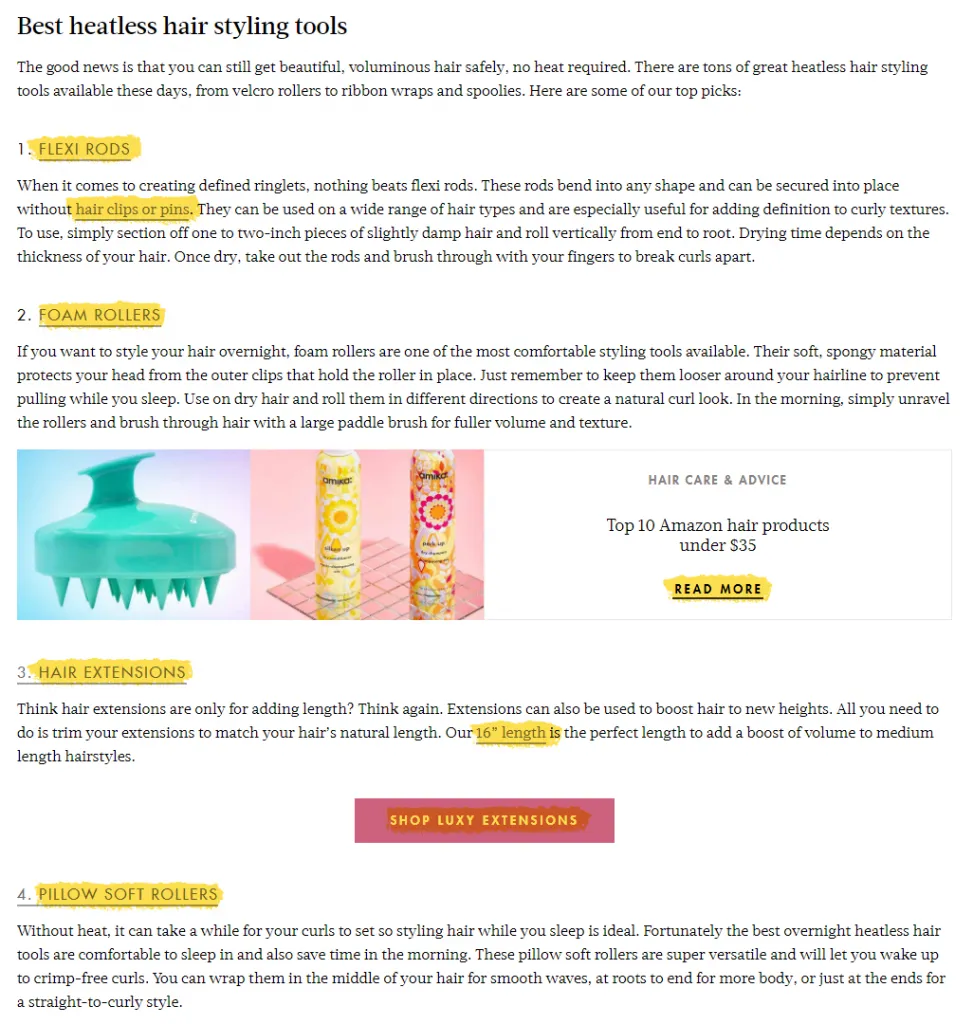
Internal linking connects all your pages together so search engines can understand the structure of your Shopify store.
When you link blog posts to collections and collections to products, you pass authority through your site. This tells Google which pages are most important.
It also improves navigation for users, helping them find what they need faster.
A strong internal linking strategy improves both your Shopify SEO performance and your conversion rates.
Website Speed
Credit: cdn.prod.website-files.com
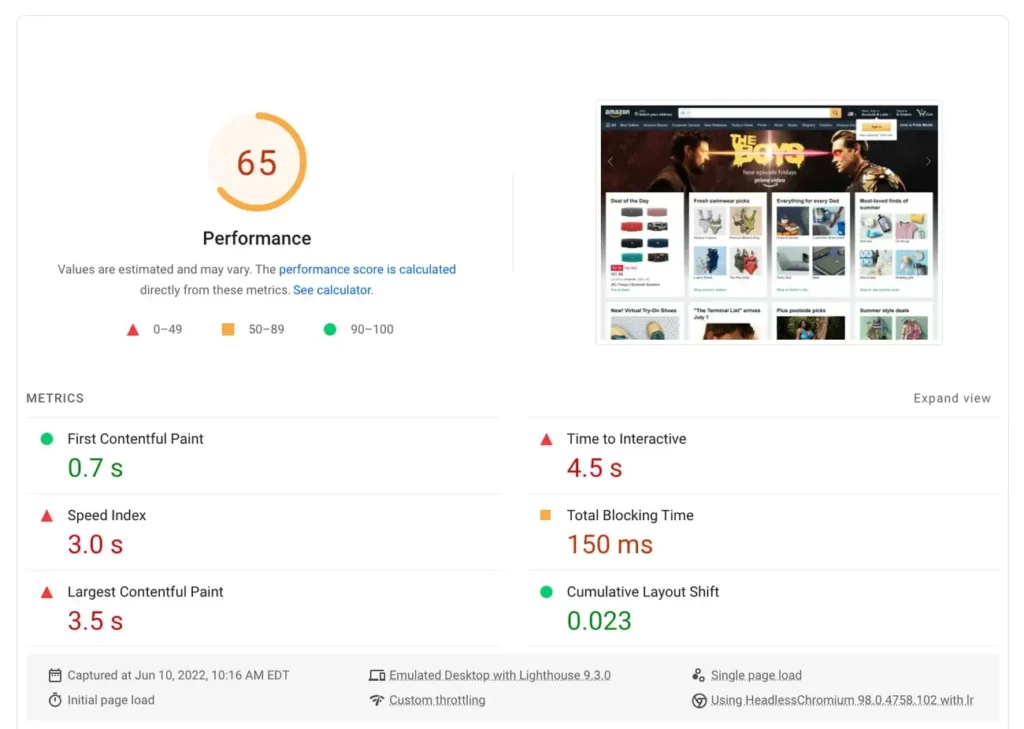
Site speed is one of the most important ranking factors for any search engine.
A slow Shopify website creates a poor user experience. Visitors leave quickly, and Google notices that behavior.
To improve speed:
- Use a fast Shopify theme
- Compress images before uploading
- Remove apps that are not necessary
- Focus on mobile performance first
This is a core part of technical SEO, and many Shopify SEO experts start with speed optimization before touching anything else.
Duplicate Content
Credit: seoprofy.com
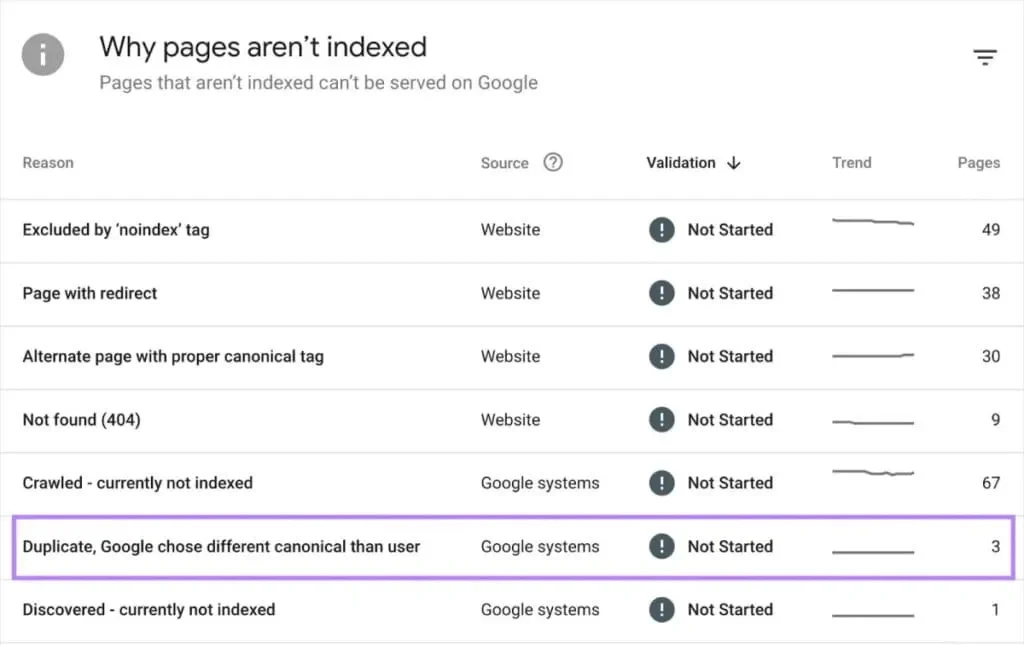
Duplicate content is a known Shopify SEO issue, especially when products appear in multiple collections.
When Google sees multiple versions of the same page, it does not know which one to rank. This weakens your SEO performance.
To fix this:
- Use canonical tags
- Avoid indexing filtered collection pages
- Keep product descriptions unique
This keeps your Shopify SEO structure clean and prevents ranking conflicts.
Schema Markup
Credit: goldenweb.net
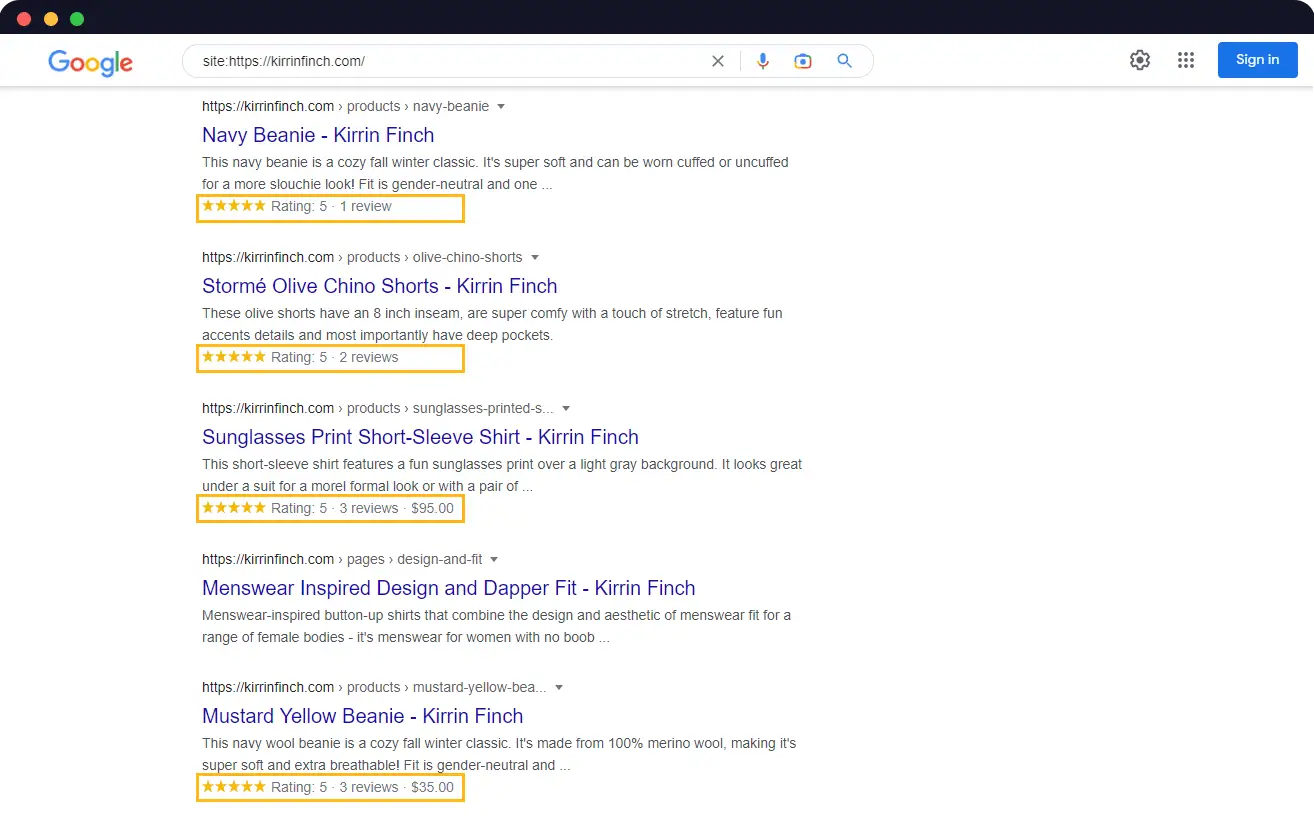
Adding schema markup helps Google understand your products in detail.
It tells search engines about your product pricing, availability, ratings, and categories. This can also improve how your store appears in search results, making it more attractive to click.
Schema is a powerful layer of technical SEO for Shopify stores and helps your product listings stand out in organic search.
SEO Content
Credit: dopetgztsfho3.cloudfront.net
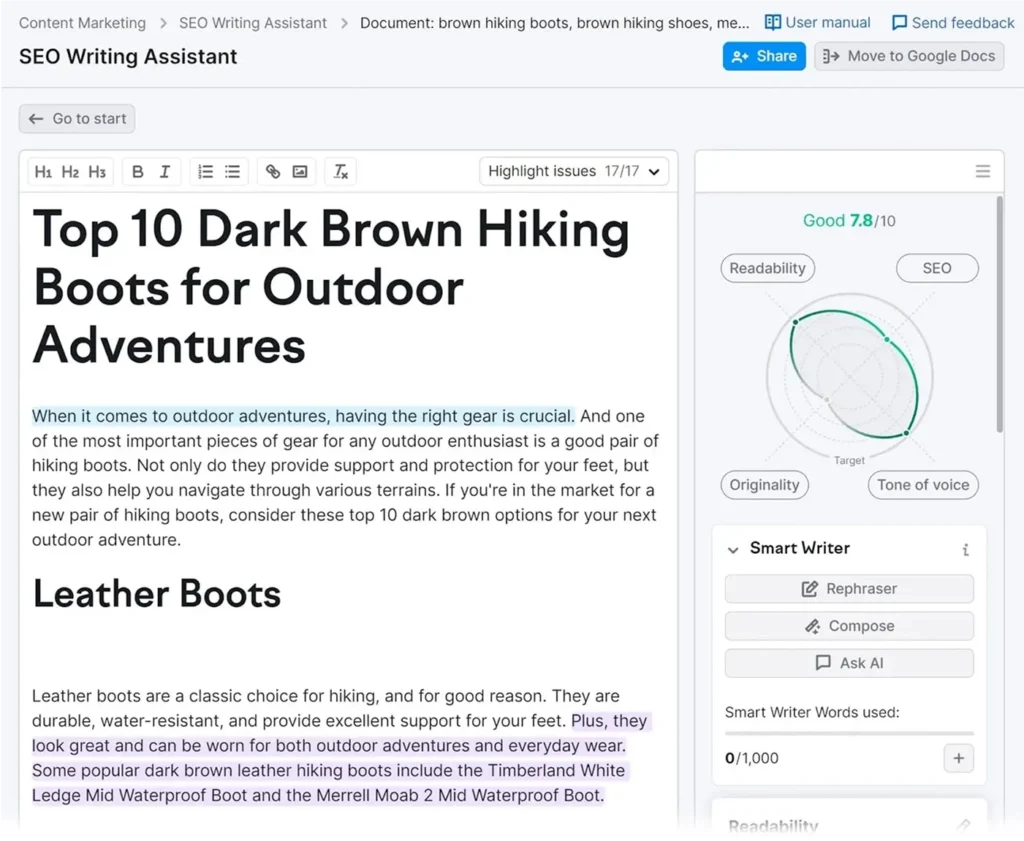
Your Shopify blog is where you build authority and attract informational searches.
A well-written blog post helps your Shopify store rank for topics your audience cares about and then directs them to your collection pages.
For example, a post like “How to choose the right protein powder” can link directly to your protein powder collection.
This supports your overall Shopify SEO strategy by creating topical relevance and increasing internal link strength.
Want to take your content to the next level? If you’re looking for an SEO agency that specializes in writing SEO-optimized content, we’ve got you covered. Our team of SEO experts can create blog posts that boost your rankings, attract organic traffic, and convert visitors into customers.
Reach out today to learn how we can help you scale with high-quality, SEO-friendly content that works!
Backlink Building
Credit: outreachmonks.com
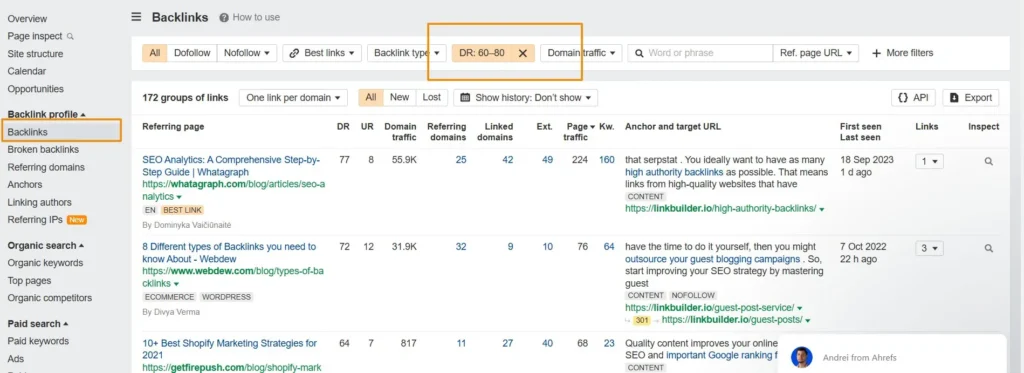
Backlinks are external trust signals.
They show Google that your Shopify store is respected and mentioned on other websites.
You can build backlinks by:
- Partnering with influencers
- Publishing guest content
- Listing your store in directories
- Running PR campaigns
This is where SEO agencies and Shopify SEO consultants help the most. It is often the difference between ranking on page 3 and page 1.
SEO Maintenance
Credit: oyecommerz.com
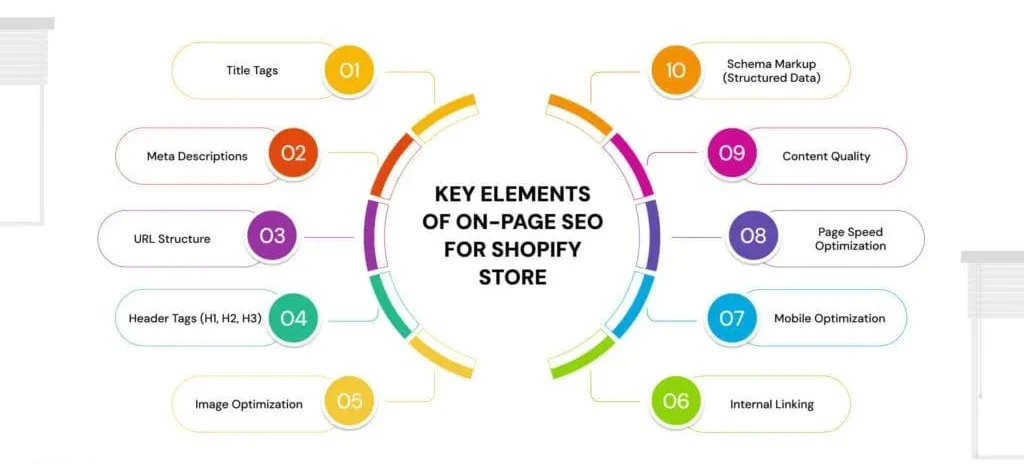
SEO is never finished. It is a continuous process of improvement.
Each month, review:
- Traffic in Google Analytics
- Indexing issues in Search Console
- Speed and performance
- Broken links
- Keyword growth
This ensures your Shopify SEO service keeps working for your store in the long term.
Ending Remarks
A successful Shopify SEO strategy is built step by step. You fix the technical setup first. Then you align your keywords and strengthen your collections and product pages. Then you scale with blog content and backlinks. Follow this Shopify SEO checklist, and your Shopify websites will grow in visibility, traffic, and conversions — naturally and sustainably.
That’s how you turn SEO into a real growth engine for your store.
Frequently Asked Questions
Let’s wrap up our discussion by answering a few of the questions about the Shopify SEO checklist.
Is Shopify good for SEO?
Yes, Shopify is good for SEO, especially for beginners. It comes with built-in features like automatic sitemaps, SSL security, and canonical tags.
How do I improve my SEO on Shopify?
Start by optimizing your collection pages and product pages with proper keyword research. Then improve your URL structure, compress images for speed, and build internal links.
Do I need a Shopify SEO expert or agency?
If your store is small, you can follow this Shopify SEO checklist yourself. But as your Shopify store grows, hiring a Shopify SEO consultant, specialist, or SEO agency can help you scale faster and fix advanced SEO problems.
What are the most common Shopify SEO problems?
The most common issues include duplicate product pages, slow website speed, poor URL structure, and missing schema markup. Fixing these through technical SEO for Shopify makes a big difference in search performance.
Is WordPress or Shopify better for SEO?
WordPress gives more technical control, but Shopify is easier for eCommerce SEO. If you want flexibility and blogging power, WordPress is strong. If you want a simplified SEO workflow for an online store, Shopify is better.