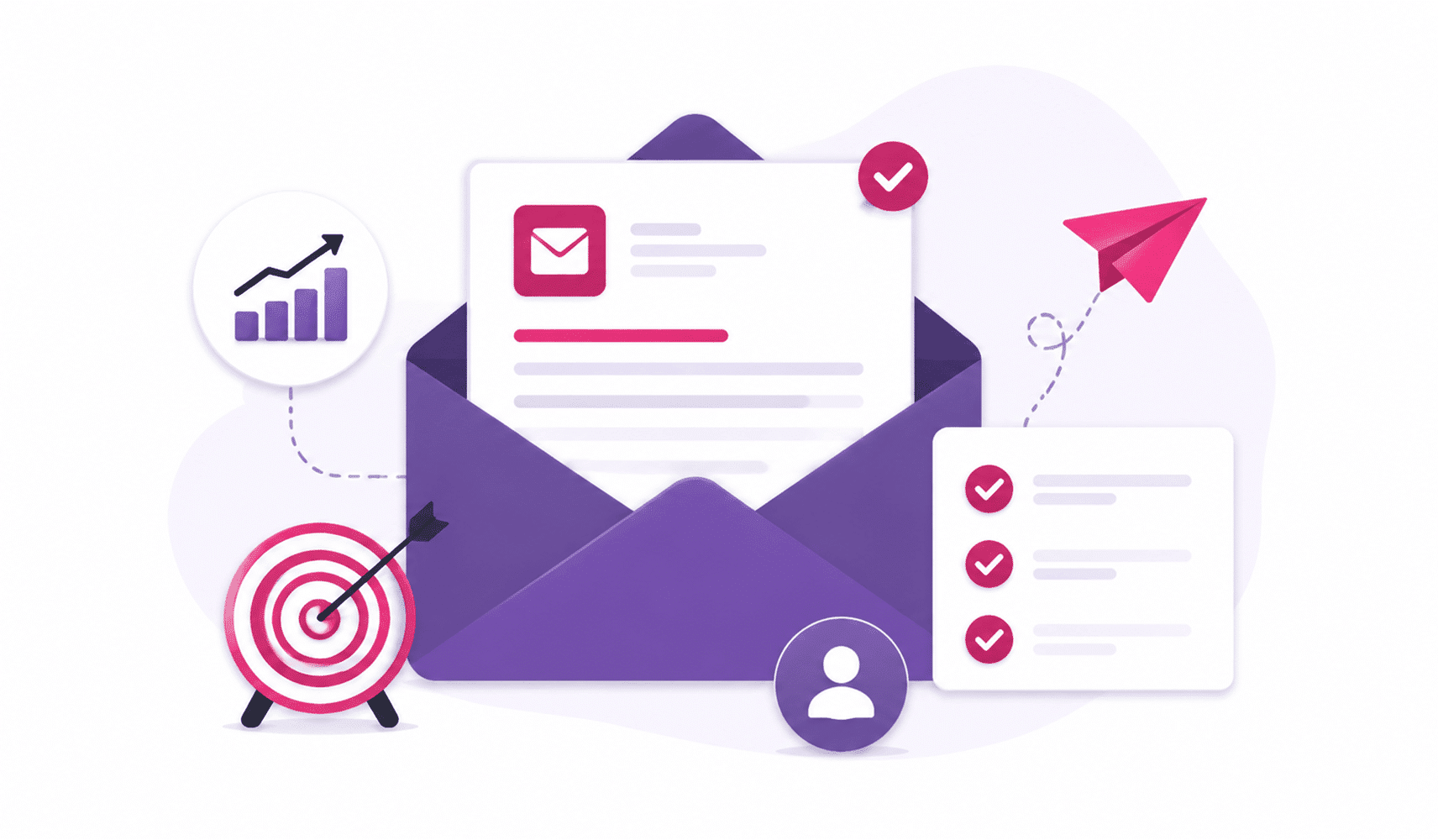
Email marketing is one of the most powerful tools for businesses of any size, but here’s the million-dollar question: How do you write emails that actually convert? If you’re ready to elevate your email campaigns and watch your engagement rates soar, you’ve come to the right place! Whether you’re crafting sales emails, cold emails, or marketing emails, I’ve got the ultimate guide to help you create emails that convert.
In this blog, I’ll be sharing the secrets behind email that converts. From writing irresistible subject lines to creating content that grabs attention and keeps your audience hooked, I’m here to guide you every step of the way.
Ready to transform your email campaigns and unlock their full potential? Let’s get started!
Understanding the Basics of Email Marketing
Before diving into the nitty-gritty of writing emails that convert, let’s first understand why email marketing campaigns work. At its core, email marketing is about building and nurturing relationships with your subscribers. The goal? To turn those subscribers into loyal customers.
Email campaigns that convert are built on a foundation of:
- Personalization: Tailor your messages to the recipient’s needs and interests.
- Relevance: Send emails that are aligned with what your audience actually cares about.
- Timing: Send emails at the right moment, like when a lead is ready to convert or when there’s a limited time offer.
- Call to action (CTA): Always end your email with a clear, actionable step.
By understanding these principles, you can begin to craft emails that are not just opened but also clicked on and acted upon.
A. Crafting Compelling Subject Lines
Credit: marketingwriter.ca
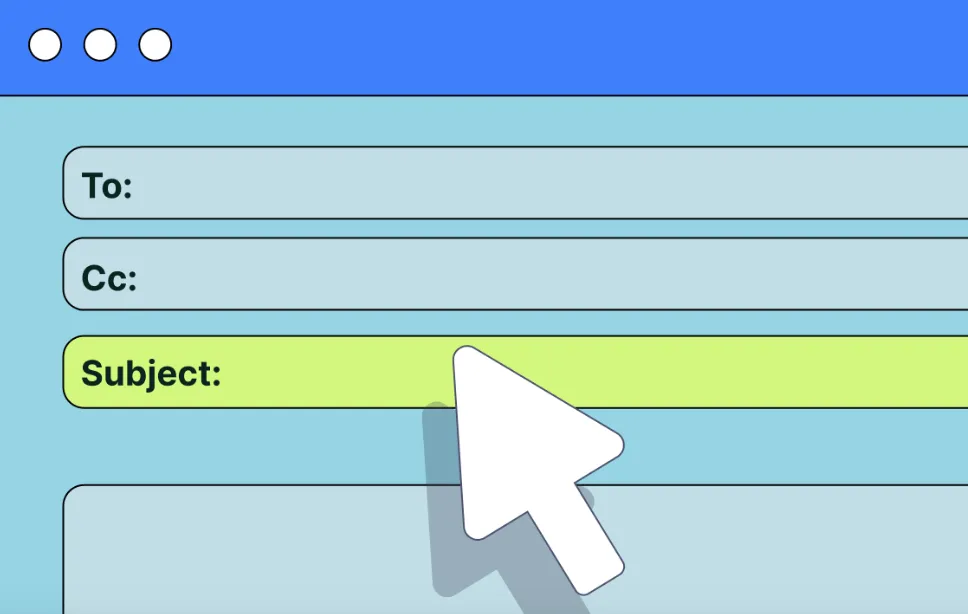
The subject line is the first thing your readers will see, and it can make or break your email campaign. To boost your open rate, you need subject lines that spark curiosity, offer value, or create urgency.
Here are a few strategies to help you write a subject line that compels action:
a) Use Personalization: Incorporate the recipient’s name or details relevant to their needs.
b) Create Curiosity: Pique interest with an intriguing statement or question.
c) Include a Sense of Urgency: Limited-time offers work wonders to prompt immediate action.
For example, “Last chance for 20% off your purchase – today only!” creates a sense of urgency, prompting the reader to open the email and take action.
B. Writing Engaging Email Content

Credit: canny.io
Once your recipients open your email, the next hurdle is keeping their attention. To write emails that convert, your content needs to be both engaging and persuasive. Here’s how to do it:
Focus on Pain Points and Solutions
Great emails speak directly to the recipient’s pain points and provide a solution. Make it clear how your product or service can solve their problem.
For example:
“Struggling to find the right email marketing strategy? Let us help you with proven techniques that deliver results.”
Keep It Clear and Concise
People don’t have time for lengthy emails. Get to the point quickly and focus on the key benefits of your offer. Use short paragraphs, bullet points, and bold text to make your email scannable.
Include Social Proof
One way to boost conversions is by showcasing social proof. Include case studies, testimonials, or customer success stories to prove that your product or service works.
Example:
“See how [Company Name] increased their conversions by 30% using our service. Check out the full case study here.”
Strategies for Increasing Email Engagement
Credit: anchorcomputer.com
Now that we’ve covered writing content that speaks to your audience, let’s dive into strategies that increase engagement and conversion rates.
i. Email Sequences
Don’t just send a one-off email and call it a day. Email sequences are powerful because they nurture leads over time. For example, you could create a sequence that introduces your product, highlights its benefits, and includes a special offer, all while building trust with your audience.
ii. Automated Emails
Email automation allows you to send targeted messages at the right time, even while you’re sleeping. For instance, set up an automated welcome email for new subscribers or an abandoned cart email for potential customers who left items in their cart.
iii. Optimize for Mobile
A significant portion of emails are read on mobile devices, so make sure your emails are mobile-friendly. Use larger fonts, clear CTAs, and concise content to ensure the best experience for mobile users.
iv. A/B Testing
Experiment with different subject lines, CTAs, and content to see what resonates best with your audience. A/B testing lets you refine your email marketing campaigns for maximum effectiveness.
Tools and Resources for Email Marketing

Credit: americaneagle.com
If you’re serious about email marketing that converts, using the right tools is essential. Here are some popular tools to help you manage, optimize, and track your campaigns:
- Email List Management: Tools like Mailchimp and ConvertKit help you manage your email list and segment your audience.
- Email Templates: Create professional emails with customizable templates in tools like Canva and Stripo.
- Analytics Tools: Use Google Analytics or email marketing platforms’ built-in analytics to track your open rates, click-through rates, and overall performance.
- Automation: Tools like ActiveCampaign and HubSpot allow you to set up automated email sequences.
If you want to take your email marketing to the next level, consider working with an expert in email marketing. Our email marketing services are designed to help you create campaigns that not only get opened but also drive conversions.
Best Practices for Email Marketing Success

Credit: clickroom.co.uk
To ensure your emails stand out in a crowded inbox, follow these best practices:
- Know Your Audience: Always tailor your content to the needs and preferences of your target audience. The more relevant your message, the more likely they are to convert.
- Use a Strong CTA: Your email should always end with a clear call to action. Whether it’s downloading a guide, making a purchase, or booking a demo, your CTA should stand out and be easy to follow.
- Test, Test, Test: Regularly test different aspects of your emails (subject lines, content, CTA buttons) to see what drives the best results.
- Segment Your Email List: Don’t send the same message to everyone. Segment your email list by demographics, interests, or behavior to send targeted, personalized emails.
FAQ’s
Let’s address some of the most common questions people have about email marketing:
How do I write a sales email that actually converts?
Focus on the benefits of your product or service, include a clear CTA, and personalize your email based on the recipient’s pain points.
How do I write cold emails that convert?
Keep it short, personal, and direct. Address the recipient’s needs and offer a solution. Include a strong subject line and CTA.
How do I create email campaigns that convert?
Focus on your audience’s needs, use personalized content, and always include a compelling call to action. Also, make sure to track your open rate and engagement.
What is an email list, and why is it important?
An email list is a collection of email addresses that you can send marketing messages to. It’s crucial because it allows you to communicate directly with your target audience and nurture leads.
What are the best email marketing campaigns for businesses?
The best campaigns are those that are tailored to your audience and offer value. Some popular types include promotional campaigns, product launches, and newsletters.
The Bottom Line
Summing up, crafting emails that convert is all about knowing your audience, offering value, and guiding them toward taking action. By writing engaging content, creating compelling subject lines, and leveraging strategies like automation and email sequences, you can improve the performance of your email campaigns.
Now go ahead—start crafting emails that convert, and watch your business grow!