Running an online business may seem like an easy way to make money, but it’s not as simple as it looks. It’s not just about creating an account and waiting for orders to roll in. It takes effort, time, and the right strategies to grow your business online. The process can be tedious, but trust me, it’s worth it. What really helps along the way? A few proven strategies that can truly make a difference. Sounds interesting, right? Let’s help you grow your business online.
Know Your Audience Inside Out
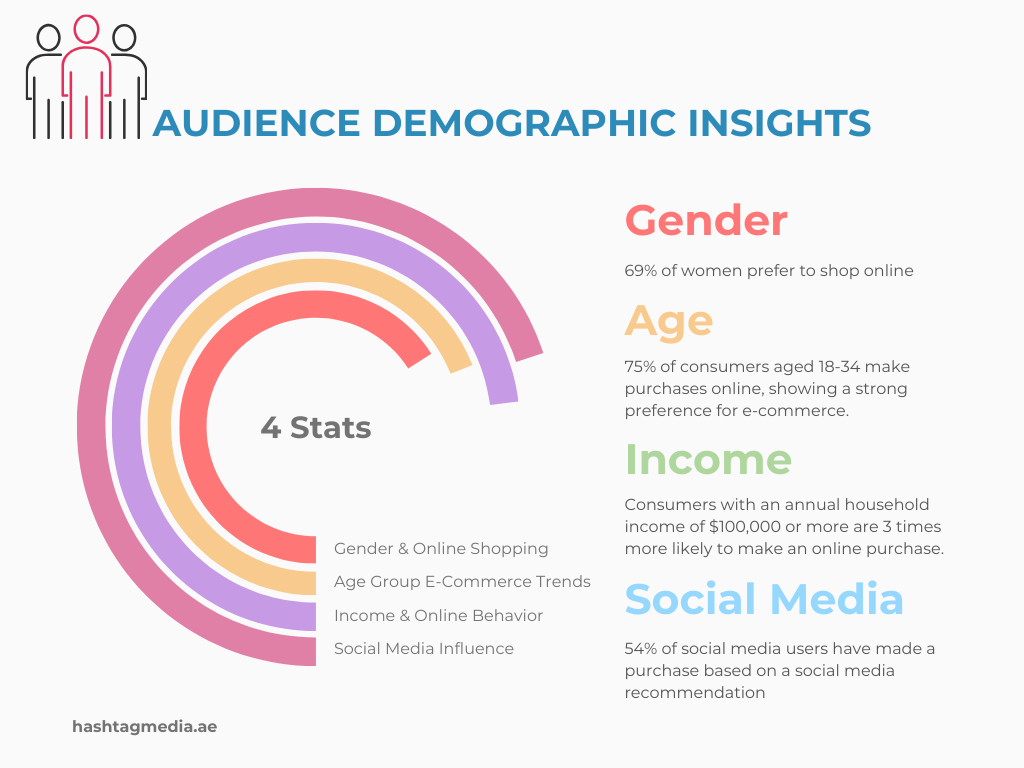
Understanding your target audience is the first and most critical step in growing your small business online. Without knowing who you’re serving, it’s like shooting in the dark with your marketing strategies.
How to get to know your audience better:
Demographic Information
Start by analyzing basic demographic data such as age, gender, location, income level, and education. This helps you create customer profiles that are more reflective of your actual market.
- Example: If your target customers are women between the ages of 25-40 who live in urban areas, you can tailor your messaging to their lifestyle.
Psychographics
This is a step beyond demographics. You want to understand your audience’s interests, values, and behaviors. What are their challenges? What keeps them up at night? Understanding these deeper aspects will help you craft messages that resonate.
- Example: If your audience is concerned about sustainability, you can emphasize how your product helps the environment.
Tracking Behavior with Tools
Use Google Analytics, Facebook Insights, or other tools to monitor how visitors interact with your website and content. Find out which pages they visit, how long they stay, and where they drop off. This data will guide you in refining your website and content.
By creating buyer personas and analyzing your audience’s behavior, you can tailor your entire online strategy to meet their specific needs.
Build a Strong, User-Friendly Website
Credit: hashtagmedia.ae
Your website is your digital storefront. A great website not only attracts visitors but also converts them into customers. When you’re thinking about how to grow your business online, your website should be optimized for all devices and user-friendly to ensure mobile-friendly functionality and better conversions.
Key elements of a great website:
Clean Design & Branding
Make sure your website is visually appealing, with a clear color scheme and fonts that reflect your brand’s identity. Visitors should immediately know what your business is about just by looking at your homepage.
Keep the design simple, easy to navigate, and free of clutter. Avoid too many pop-ups or distractions.
Mobile Optimization
A large portion of website traffic comes from mobile devices, so ensuring your site is mobile-friendly is crucial.
- Tip: Check your site on multiple devices to make sure it looks great and functions properly.
Now, before we dive into another tip, do you know that Hashtag Media can help you design clean, minimal websites that are mobile optimized, so it works efficiently for the audience? Yes, explore our web development services and get one step closer to growing your business.
Fast Loading Times
Slow websites can frustrate users and cause them to leave. Studies show that a delay of just a few seconds can reduce conversion rates.
- Solution: Compress images, minimize code, and use a content delivery network (CDN) to speed up loading times.
Search Engine Optimization (SEO)
To get your website noticed, you need to make sure it ranks well on search engines like Google. Implement on-page SEO by using the right keywords, optimizing meta descriptions, and writing clear and compelling content that answers your audience’s questions.
Clear Calls to Action (CTAs)
Every page on your website should have a clear action for users to take, whether it’s signing up for a newsletter, making a purchase, or learning more about your product.
Use contrasting colors for buttons and place them in easy-to-find areas like the top of the page or at the end of blog posts.
Leverage Social Media Platforms

Credit: 98bucksocial.com
Grow your business online through social media—it’s one of the most effective ways to connect with customers, create brand awareness, and increase conversions. By engaging with your audience on social media, you build trust and expand your reach.
Tips for effective social media marketing:
Choose the Right Social Channels
Different social platforms cater to different demographics. Facebook, Instagram, and Pinterest are great for visual content, while LinkedIn is ideal for B2B services.
- Tip: Focus on the platforms where your audience spends most of their time.
Consistency is Key
Posting regularly keeps your audience engaged and your brand top-of-mind. But don’t just post for the sake of it—ensure each post has a purpose and adds value to your followers.
- Tip: Create a content calendar to stay organized and post consistently.
Use Paid Ads for Faster Growth
Paid social media ads help you reach a wider audience. Platforms like Facebook and Instagram offer precise targeting options based on location, age, gender, and interests.
Start with small budgets, test different ad formats, and analyze which ones give the best ROI.
Engage with Your Followers
Social media is a two-way street. Respond to comments, direct messages, and even engage with user-generated content. This builds a loyal community that feels valued by your brand.
Invest in Content Marketing
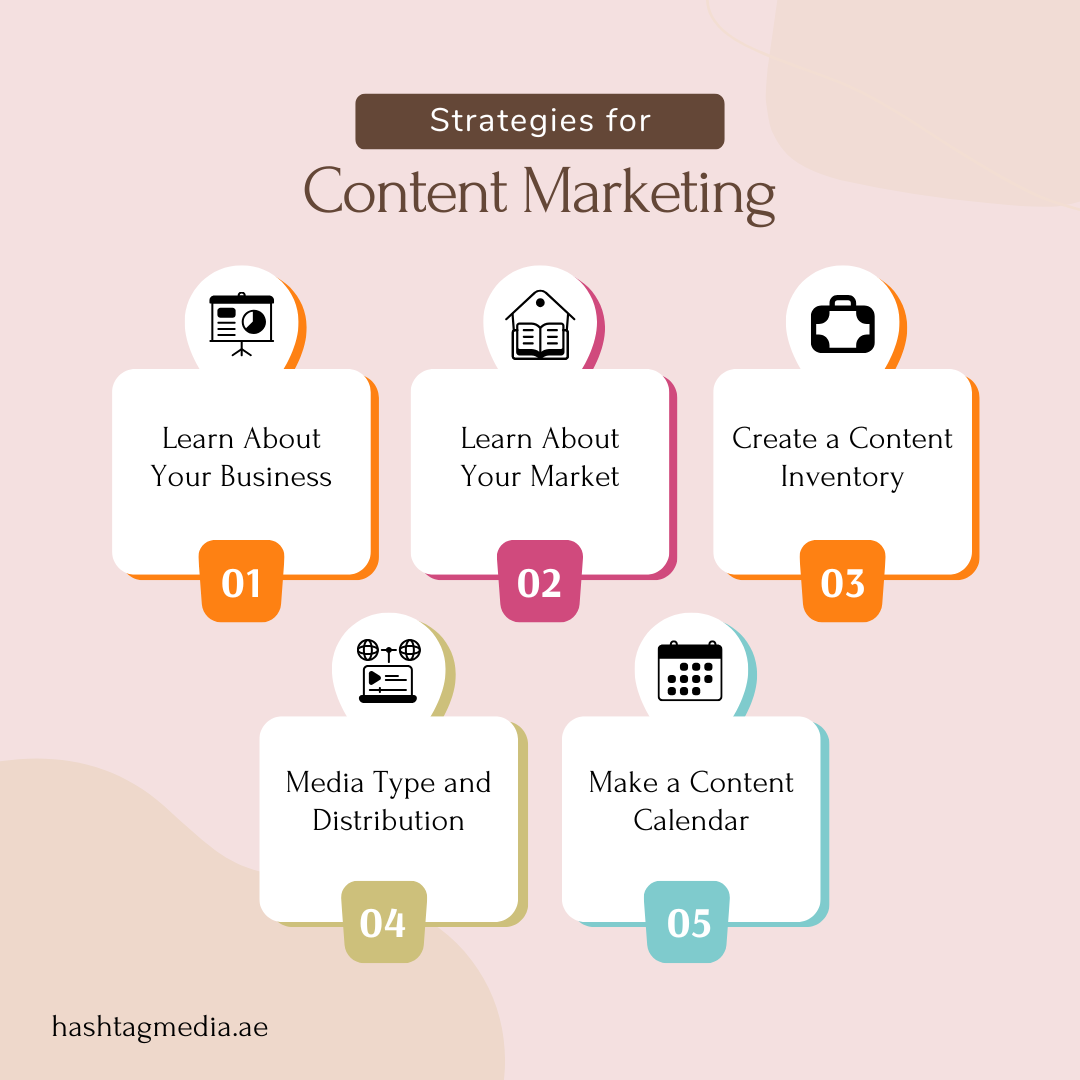
Content marketing is one of the best ways to provide value to your customers while establishing your authority in the market. When you create and share helpful, informative content, you position yourself as a thought leader, which helps grow your business online.
Effective content marketing strategies:
Create High-Quality Blog Posts
Blog posts are an excellent way to showcase your expertise and drive traffic to your site. Write informative, helpful articles that answer questions your target audience might have.
- Tip: Focus on creating long-form, evergreen blog posts that continue to attract visitors over time.
Video Content
Video is one of the most engaging forms of content. Create short, high-quality videos that highlight your products, explain services, or share customer success stories.
- Tip: Platforms like YouTube, TikTok, and Instagram are ideal for video content.
Infographics and Visual Content
People process visual information faster than text. Use infographics, charts, and images to break down complex data into bite-sized, easily digestible content.
Repurpose Content Across Platforms
You don’t have to reinvent the wheel every time. Repurpose blog posts into social media content, videos, or email newsletters to maximize your reach.
Use Email Marketing for Nurturing Relationships

Credit: salesplay.com
Email marketing remains one of the most effective ways to nurture relationships with potential and existing customers. Whether you’re sending product updates or valuable tips, email is a direct way to keep your audience engaged.
How to leverage email marketing:
Build an Email List
Create valuable lead magnets (like free ebooks, checklists, or webinars) to encourage people to sign up for your email list.
Offer incentives, such as discounts or exclusive content, to grow your list faster.
Segment Your Audience
Not all your subscribers are the same. Segment them based on their behavior, interests, or purchase history. This allows you to send tailored emails that are more likely to convert.
Automate Email Sequences
Set up automated email campaigns to welcome new subscribers, remind them of abandoned carts, or offer post-purchase follow-ups. Automation ensures you’re staying in touch without extra effort.
Provide Value, Not Just Sales Pitches
Offer subscribers valuable content, such as educational emails or exclusive tips, along with your promotional messages. This will keep your audience engaged without overwhelming them with sales pitches.
Explore Paid Advertising

Credit: taboola.com
While organic methods are important, paid ads can help grow a business online quickly by targeting specific audiences.
Types of paid advertising to explore:
Google Ads
Google Ads lets you target specific keywords related to your business. With proper targeting, your ads will appear in front of potential customers who are actively searching for your products or services.
- Tip: Use keywords that match the search intent of users (e.g., “buy running shoes” instead of just “running shoes”).
Facebook and Instagram Ads
These platforms offer highly granular targeting options. Use Facebook Ads to target people based on interests, demographics, and behaviors. You can create highly specific ads that resonate with your audience.
Retargeting Ads
Retargeting ads remind visitors who have already checked your website but didn’t make a purchase to come back and complete the transaction. This increases the likelihood of conversion and helps build brand awareness.
Automation is Your Friend


Credit: linkedin.com
Automation tools are incredibly powerful in saving time and making your business operations smoother.
How to use automation to scale your business:
Social Media Scheduling Tools
Tools like Buffer, Hootsuite, or Sprout Social allow you to schedule your posts in advance. This means you can plan your social media content for the week, month, or even longer.
Email Automation
Automate welcome sequences, birthday emails, or cart abandonment reminders with tools like Mailchimp, ActiveCampaign, or ConvertKit.
Chatbots for Customer Service
Set up chatbots to answer frequently asked questions and guide customers through the sales process, 24/7. This enhances the customer experience and frees up your team.
Harness the Power of Analytics

Credit: digital-power.com
Analytics provide the insights you need to make data-driven decisions that drive business growth.
Key metrics to track:
Website Traffic
Use Google Analytics to see how many visitors come to your site, where they come from, and which pages they visit.
Focus on increasing traffic from organic search (SEO) and paid ads.
Conversion Rate
Track how many website visitors complete a desired action (e.g., making a purchase, signing up for a newsletter).
- Tip: Regularly test and optimize landing pages to increase conversion rates.
Customer Lifetime Value (CLV)
Measure how much a customer will spend on your products over the course of their relationship with your brand. The higher the CLV, the more valuable each customer is.
Ending Remarks
It all boils down to the fact that growing your business online requires a combination of strategic planning, continuous learning, and consistent effort. By understanding your audience, building a strong digital presence, and leveraging tools like digital marketing, content marketing, Google Ads, and email marketing, you can create a successful online presence. Start implementing these strategies today and watch your business online thrive, whether you’re in free zones or a highly competitive market like Dubai.
Frequently Asked Questions
Here’s what you might be thinking about growing your online presence.
What is the first step to growing my business online?
Understand your target audience. Research their needs, preferences, and behaviors to tailor your approach effectively.
How can I improve my website for better performance?
Optimize your site for speed, mobile-friendly functionality, and SEO. Ensure your design is clean and user-friendly.
Is social media essential for online business growth?
Yes, it’s crucial for brand visibility, customer engagement, and driving sales.
How important is email marketing for business growth?
Email marketing is essential for nurturing relationships, sending personalized offers, and encouraging repeat business.
Can automation tools help in growing my business online?
Automation tools help you save time, increase efficiency, and improve the consistency of your messaging across different channels.