With the rise of digital trends, a brand’s future is shaped by social media and the internet. No matter where you’re located, your brand can get noticed if you have a strong online presence. You can attract potential customers from around the globe. But do you know what makes your campaign stand out? Ads. From Google Ads to social media ads, the landscape is vast. Believe me, these ads can help your brand grow in the long run. But how do you start? This is exactly why I’m here with this detailed blog on Google Ads vs social media Ads. Curious to learn more? Let’s dive right in!
Digital Advertising Landscape: A Quick Snapshot
Let’s set the stage with some important facts. The internet is buzzing with activity – we all know that. But what might surprise you is how many people use the internet and social media. Over 4.9 billion people are online globally. That’s like, pretty much everyone. And out of that, more than 3.6 billion people are active social media users. Imagine that!
This means there’s a massive pool of people you can target. And guess what? Both Google Ads and social media ads vs. Google Ads give you the chance to tap into this pool. The question is: how do you decide which one to go for?
Understanding Google Ads
Credit: thinkdigital.com.vn
If we talk about Google Ads, a platform that’s been around for years and is the go-to for many businesses. Google Ads is all about search engine marketing, meaning that you pay for your ads to appear when people search for something related to your business. Think about the last time you googled something – did you notice those sponsored results at the top of the page? Yup, those are Google Ads.
The Basics
Google Ads works on a Pay-Per-Click (PPC) model. So, every time someone clicks on your ad, you pay. It’s kind of like paying for a ticket to get into a concert. You’re paying for the opportunity to have your ad shown to a potential customer, and you only pay if they decide to click.
Key Features
- Keyword targeting: This is what makes Google Ads unique. You choose specific words or phrases (called keywords) that people search for, and when someone searches those terms, your ad shows up.
- Multiple Ad Formats: From text ads that show up on Google Search to video ads on YouTube, Google Ads offers a range of ad types to get your message across.
- Ad Extensions: These are extra features you can add to your ads, like additional links, phone numbers, or even your address. This helps to boost your ad’s visibility and engagement.
- Detailed Analytics: One of the best things about Google Ads management is how detailed the reporting is. You can track every click, see where your traffic is coming from, and measure how well your ad is performing. This data is gold for optimizing your campaigns.
Strengths of Google Ads
- Targeting High-Intent Users: People who use Google are actively looking for something. When they search for a product or service like yours, there’s a high chance they’re ready to make a purchase.
- Instant Results: Unlike SEO, which can take months to show results, Google Ads gives you instant visibility once you launch your campaign.
- Precise Control: You can control who sees your ads based on location, device, time of day, and more. This allows you to fine-tune your targeting for maximum results.
Limitations of Google Ads
- Can Be Expensive: The more competitive your industry, the more you might pay for each click. If you’re targeting popular keywords, costs can quickly add up.
- A Learning Curve: While Google Ads management is powerful, it can be tricky to set up and manage if you’re a beginner. There’s a lot of trial and error involved when figuring out what works best for your business.
- Limited Reach: You’re only reaching people who are already actively searching for something. You’re not reaching people who may not know they need your product yet.
Cost Structure
The cost is based on a bidding strategy. You bid on keywords, and the more you’re willing to pay, the more likely your ad will show up. Although you can set a daily budget, keep in mind that highly competitive keywords can be expensive. Managing your budget effectively is key to avoiding overspending.
Understanding Social Media Ads
Credit: finalsite.com
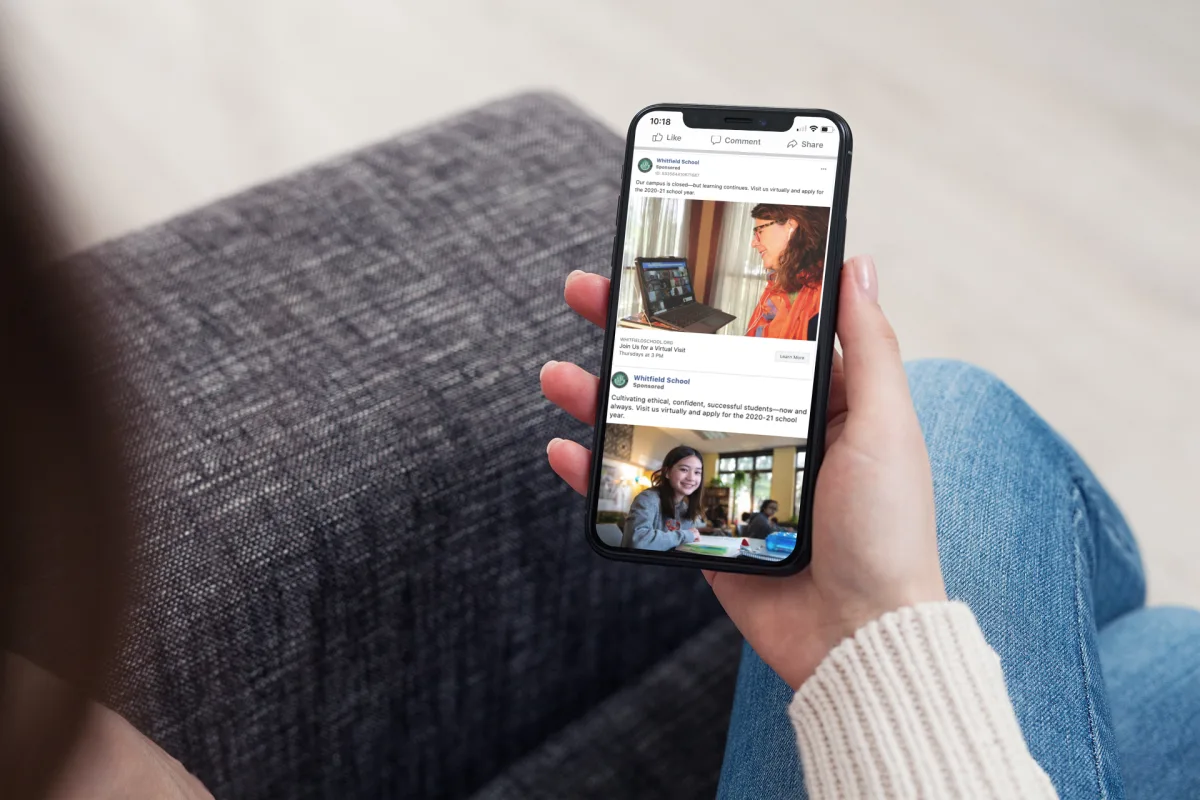
Now, let’s talk about social media ads vs. Google Ads. If you’ve ever scrolled through Facebook or Instagram, you’ve probably seen Facebook Ads pop up in your feed. That’s social media advertising at work. Instead of targeting people based on what they’re actively searching for, social media ads vs Google Ads target people based on their interests, behaviors, and demographics.
The Basics
With social media ad campaigns, you’re putting your message in front of users who might not even know they need your product. They could be scrolling through their feed when suddenly your ad grabs their attention. The key here is engagement. These ads are designed to create awareness and spark curiosity.
Key Features
- Advanced Targeting: Social platforms like Facebook and Instagram let you target users based on everything from location to interests to online behavior. If you know your audience well, this feature is incredibly powerful.
- Multiple Ad Types: Social media ad types come in all shapes and sizes – from carousel ads that let you showcase multiple products to video ads that engage users with motion. You can also run ads in story ads and posts, and even work with influencers in influencer marketing to spread the word.
- Engagement: Social media ads are meant to engage users. People can comment, like, and share your ad, which helps to increase visibility.
- In-Depth Analytics: Like Google Ads, social platforms also offer detailed analytics, including metrics like click-through rates (CTR), engagement rates, and conversion tracking. This helps you measure how well your ads are performing.
Strengths of Social Media Ads
- Wide Reach: Social media ads let you reach a broad audience, even those who might not be actively looking for your products.
- Creative Freedom: Social media is visual, so you can create eye-catching ads that stand out. Whether it’s a cool video ad or a creative collection ad, creating content is fun and easy.
- Great for Brand Awareness: Social ads vs Google Ads are perfect for building brand awareness and getting people familiar with your product. If you want to engage with your audience over time, this is the way to go.
Limitations of Social Media Ads
- Lower Purchase Intent: Since users aren’t actively searching for something, they may not be as ready to buy immediately. It’s more about planting the seed and nurturing the relationship.
- Ad Fatigue: Over time, users might start ignoring your ads, especially if they see the same ones repeatedly. Keep your content fresh to avoid this.
- Algorithm Changes: Social platforms change their algorithms often, which can affect how well your ads perform. So, staying up-to-date with these changes is key.
Cost Structure
Social media ads typically work on a CPC (Cost Per Click) or CPM (Cost Per 1,000 Impressions) basis. You set a daily or lifetime budget, and you pay based on the number of clicks, impressions, or actions (like engagement) your ad gets.
Now that we have discussed both types in detail, and you are not sure where to start yours, get in touch with us. At Hashtag Media, we will make your next PPC campaign successful. So, talk to us now.
Common Mistakes to Avoid in Google Ads and Social Media Ads
Now that we’ve covered the basics, let’s look at some common mistakes businesses make when running ads:
- Ignoring Targeting: Whether you’re on Google Ads or social media, targeting is everything. If you don’t get your targeting right, you could end up wasting money on the wrong audience.
- Not A/B Testing: Always test different versions of your ads to see what works best. You’ll never know what resonates with your audience unless you test.
- Setting Unrealistic Budgets: Don’t go in with a tiny budget if you want significant results. Best social media ad campaigns and Google Ads management require some investment to generate good returns.
- Neglecting Optimization: Ads are not a “set it and forget it” kind of thing. You need to continuously monitor and tweak your campaigns for better performance.
Which One Is Right for You?
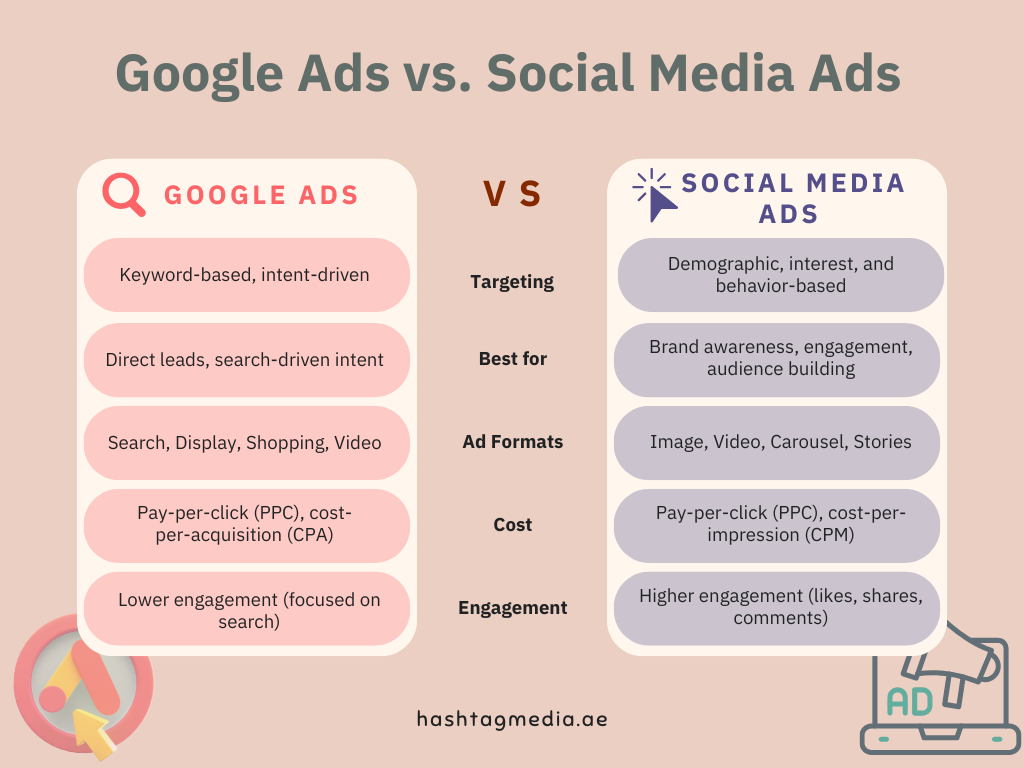
So, which one should you choose? Google Ads vs Social Media Ads?
Here’s the deal:
- If you’re looking to target high-intent users—people actively searching for your product or service—Google Ads is probably your best bet.
- And if your goal is to raise brand awareness, engage with potential customers, and build relationships over time, Social Media Ads are a great option.
But here’s a little secret: you don’t have to choose just one! Many businesses combine both Google Ads and Social Media Ads to cover different stages of the customer journey. Google Ads can bring in immediate traffic, while social media ads help build long-term engagement.
Ending Remarks
Both Google Ads and Social Media Ads are powerful tools in the digital marketing world. The key is understanding what each platform does best and aligning it with your campaign objective. No matter which route you go, make sure to monitor your ads, test different strategies, and optimize for the best results.
Frequently Asked Questions
Let’s wrap up by answering a few questions about social media and Google Ads.
What’s the main difference between Google Ads and Social Media Ads?
Google Ads target people actively searching for something. Social media ads target people based on their interests and behaviors.
Which is better for e-commerce businesses?
Google Ads are great for e-commerce since you’re targeting people already looking to buy. But social media ads can also help showcase products and build awareness.
How much do Google Ads cost?
Costs depend on the competition for your keywords. You can set your budget to control costs, but some keywords can be pricey.
Can I use both Google Ads and Social Media Ads at the same time?
Absolutely! In fact, many businesses use both. Google Ads can capture leads, and social media ads can help build brand loyalty.
Which platform should I start with if I’m new to advertising?
Start with Google Ads if you want quick results. If you’re more focused on engagement and building brand awareness, Social Media Ads might be a good start.