
Search is changing right in front of us. People still Google things. Of course they do. But they also ask ChatGPT, Gemini, Perplexity, and AI-powered search features for direct answers. They do not always want ten blue links. Sometimes, they want one useful answer. Fast. That creates a new question for businesses: Will AI mention, cite, or recommend your brand? That is why generative engine optimization services are getting so much attention. But here is the interesting part. GEO is not here to kill SEO. It adds another layer to it. If SEO helps your website get discovered, GEO helps your knowledge become part of the answer.
So, is GEO the future of SEO?
Yes. But the future looks more like SEO + GEO, not SEO versus GEO.
What Is Generative Engine Optimization, Really?
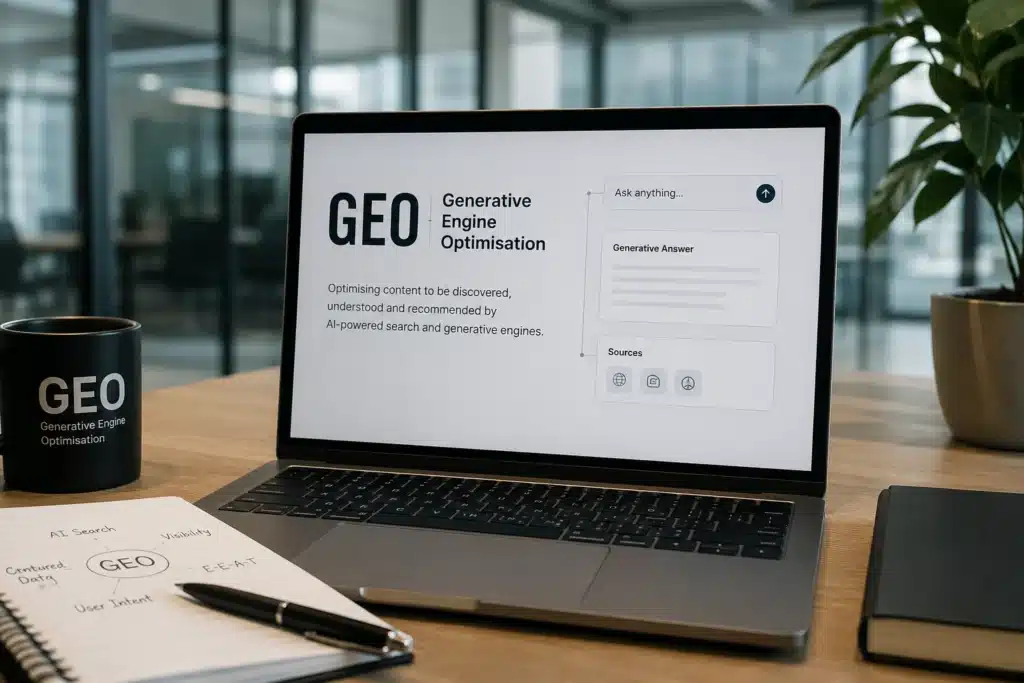
Generative Engine Optimization, or GEO, improves content and digital brand signals so AI systems can understand, retrieve, summarize, and potentially cite them. A strong generative engine optimization service goes beyond placing keywords in a blog.
It looks at:
- Content clarity and structure
- Search and prompt intent
- Brand authority
- Entity relevance
- Supporting evidence
- Technical accessibility
- Credible mentions
- Useful internal links
- Topical depth
Think of it this way:
SEO asks: Can this page rank?
GEO asks, “Can this information become part of an AI-generated answer?”
A modern strategy asks, “Can we win both?” That last question matters most. Google itself says traditional SEO best practices remain relevant for AI Overviews and AI Mode. These AI experiences still depend heavily on Google’s existing Search systems.
In other words, good SEO did not suddenly expire.
Why Has AI Search Changed the Visibility Game?
Alt text: activeinternetmarketing.co.uk
Artificial intelligence has changed how people find information. Imagine someone needs a marketing partner. A few years ago, they might search: “best marketing agency Dubai”
Then they would open four or five websites. Today, they might ask, “Which Dubai marketing agency can help me with SEO, content, social media, and paid advertising?”
An AI platform can summarize the options in seconds. That changes brand awareness, lead generation, and business growth. Your brand does not only need a ranking anymore. It needs enough authority and relevance to enter the conversation. This is also why understanding the AI overviews impact on SEO matters. A website can keep a strong organic position while an AI-generated answer captures attention above it. That means rankings alone no longer tell the complete story.
GEO vs SEO: Which Matters More in 2026?
If you are searching for GEO vs. SEO, which matters more in 2026, here is my answer:
You need both. SEO and GEO share the same foundation. They simply aim for slightly different outcomes. Traditional SEO focuses on rankings, organic traffic, keywords, link building, landing pages, local SEO, and conversion rates. GEO adds another layer. It looks at AI citations, brand mentions, clear answers, topical context, entities, recommendation queries, and source credibility.
Your backlink strategy still matters.
Image optimization still matters.
The traffic analysis still matters.
Your pages still need to load quickly. Search engines still need to crawl them. Visitors still need a reason to convert.
GEO does not erase any of that. It simply moves the finish line.
AEO and GEO in SEO: Are They the Same?
Credit: cdn.sanity.io
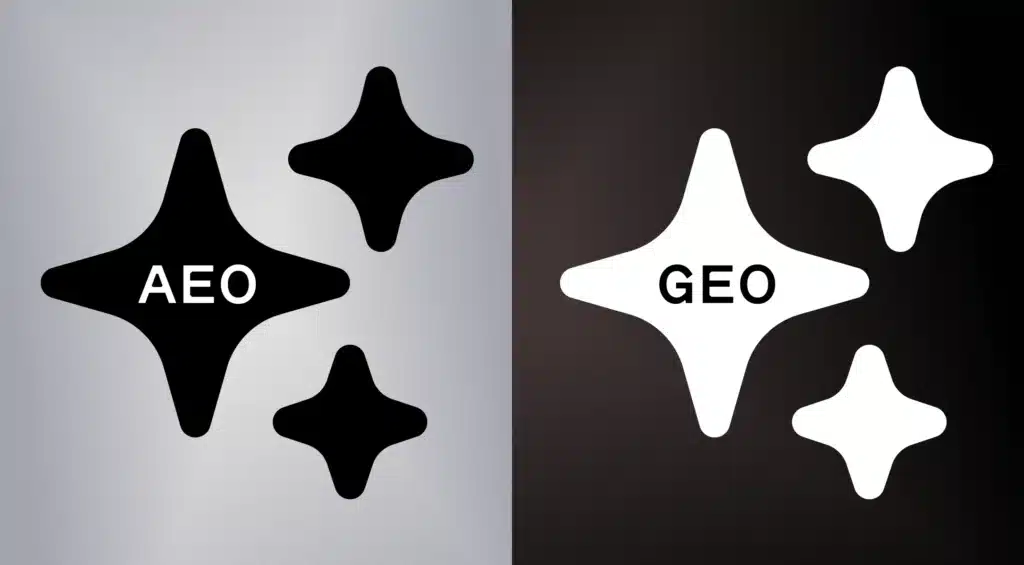
The phrases “AEO and GEO” in SEO can make search marketing sound like alphabet soup. The difference is actually simple. AEO stands for Answer Engine Optimization. It focuses on making content suitable for direct answers. Think featured snippets, voice responses, concise definitions, and question-based sections.
GEO goes further.
It focuses on making your brand and information visible inside generative AI responses.
Here is the easiest way I remember it:
- a) SEO helps you rank.
- b) AEO helps you answer.
- c) GEO helps you become part of the generated response.
A smart strategy does not force you to choose only one.
It makes all three work together.
The A-B-C Formula for Content AI Can Actually Use
Want to make GEO less complicated?
Use this formula.
a) Answer First
Do not make readers dig through six paragraphs before getting the answer. Say the important thing early. Then explain it.
Short, direct answers improve readability. They also make important information easier for search and AI systems to interpret.
b) Build Proof
Generic content generation is easy now. Real expertise is not. Use first-hand knowledge. Add real examples. Include useful data. Bring in expert opinions. Publish original research when possible. Anyone can ask AI to produce another generic article.
Far fewer businesses can publish information worth referencing.
c) Create Context
Do not optimize one keyword and call it a day. Answer related questions. Connect relevant subjects. Use descriptive headings. Build smart internal links. This is where great content writing services can combine strategy with creative writing. Your content should sound human first.
But it should also be clear enough for machines to understand.
Is GEO Replacing Outdated SEO Content Strategies?
Credit: findabledigitalmarketing.com
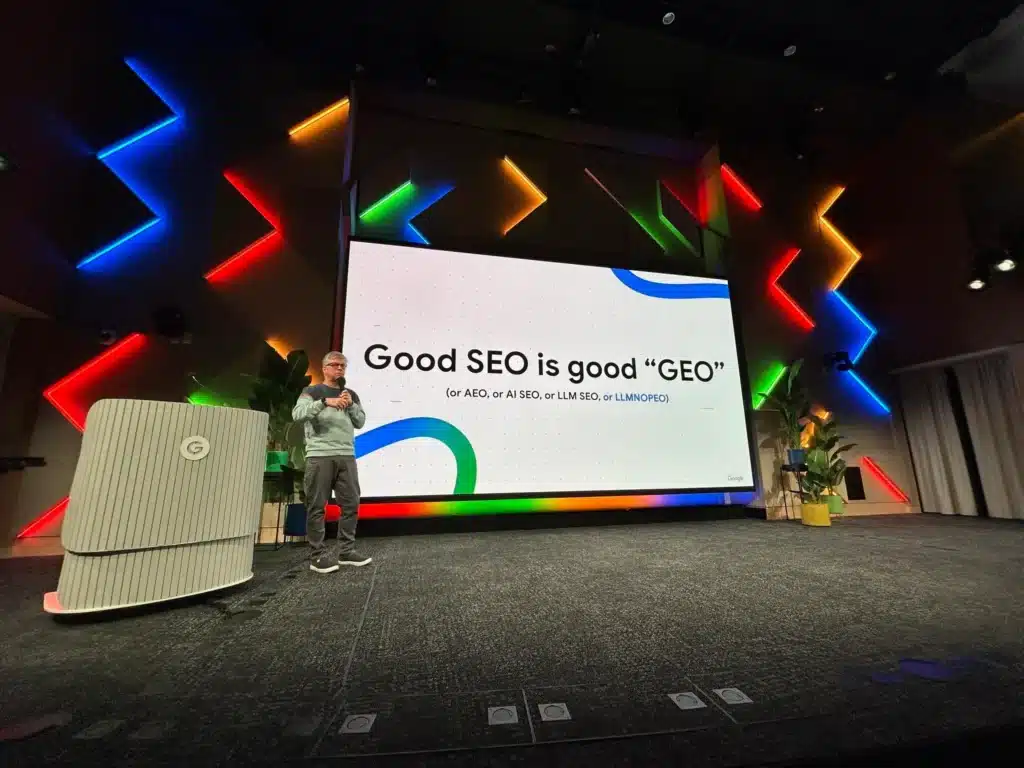
You may have come across the phrase how GEO is replacing outdated SEO content strategies in 2025. It sounds dramatic. The reality is more useful. GEO is not replacing every SEO strategy. It is exposing the bad ones. Old content strategies often relied on keyword repetition, thin articles, copied competitor structures, predictable introductions, and pages created only to hit publishing quotas. That approach was already weak. AI search simply makes its weaknesses easier to spot. Modern content should understand its target audience.
It should answer real questions. Should add something competitors have missed. It should demonstrate expertise instead of pretending to have it.
And most importantly, it should sound like it was written for a person.
What Is GEO Schema in SEO?
Another question appearing more often is what is the GEO schema in SEO?
Here is the important answer: There is no special “GEO schema” that guarantees AI visibility.
Google says websites do not need a new or special schema.org markup to appear in AI Overviews or AI Mode. Structured data still has value. It can help search engines understand information on your page and make certain content eligible for richer search experiences. But schema is not an AI visibility cheat code. Use relevant schema correctly. Keep it consistent with the information users can actually see. Then strengthen crawlability, internal linking, authority, site structure, and technical SEO.
Good markup supports good content.
It cannot replace it.
What Does a Strong GEO Strategy Include?
Good generative engine optimization services should do much more than add FAQs to existing articles. A proper strategy can include AI visibility audits, topic mapping, entity research, prompt-intent research, content restructuring, citation tracking, competitor analysis, brand mention monitoring, internal linking, structured data reviews, and content refreshes.
The smartest approach connects this work with traditional SEO services.
Why?
Because AI engines do not exist in an isolated internet. They still rely on discoverable information, authoritative sources, strong brands, useful websites, and trustworthy content. A capable generative engine optimization agency should understand that connection. It should not sell GEO like a mysterious trick.
Can a Generative Engine Optimization Tool Do Everything?
Credit: prowfusely.com
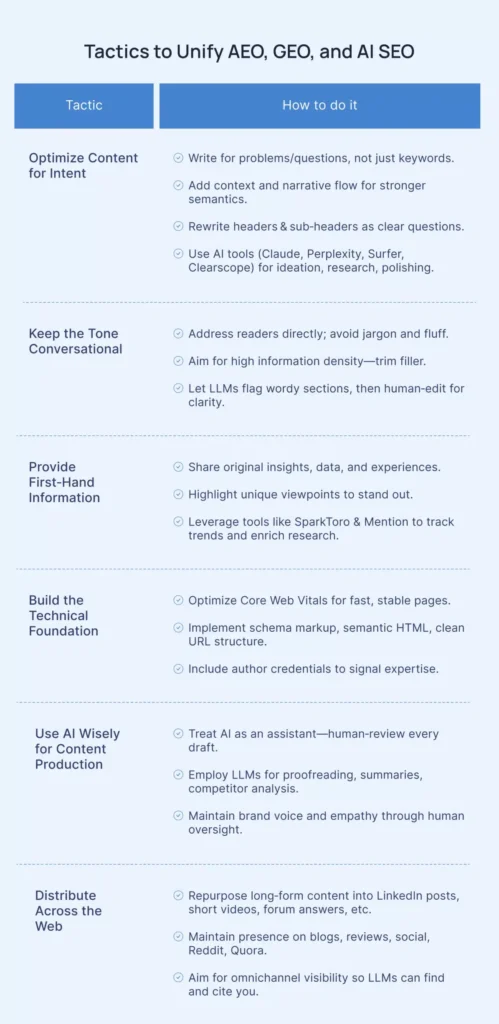
A generative engine optimization tool can be useful. It may help you track prompts, monitor citations, compare competitors, identify missing topics, and see where your brand appears in AI answers. That data matters.
But software cannot do everything. A tool may tell you that your competitor gets mentioned more often. It cannot always tell you why customers trust that competitor, cannot invent genuine expertise, and cannot decide which original opinion only your company can publish. And it cannot replace a strong creative strategy.
Tools find signals.
People turn those signals into decisions.
How Do You Choose the Right GEO Partner?
More generative engine optimization companies are entering the market. Some will bring real search expertise. Others will simply add “AI” to an existing sales pitch. Before choosing a generative engine optimization company, use another quick A-B-C test.
a) Ask About Their SEO Foundation
Do they understand indexing, keywords, content architecture, search intent, links, local SEO, and technical performance?
If not, GEO will not magically fix the gaps.
b) Check How They Build Authority
Good visibility does not stop at your website.
Credible mentions, expert contributions, reviews, digital PR, partnerships, and even influencer marketing can strengthen how people and machines understand a brand.
c) Connect Visibility to Revenue
Getting mentioned by an AI platform feels great. Qualified customers feel better.
A serious strategy should connect visibility with branded searches, website engagement, inquiries, conversions, and long-term growth.
Which Content Types Have the Biggest GEO Opportunity?
Credit: wellows.com
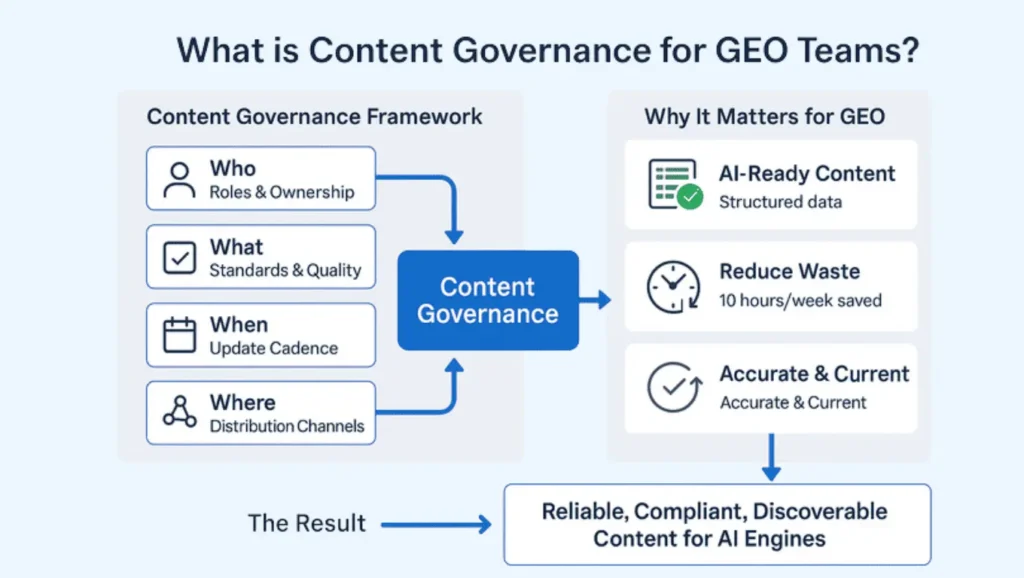
Start with content that answers meaningful questions.
In-depth guides work well.
So do comparison pages, service explainers, expert interviews, original research, case studies, FAQs, video transcripts, visual explainers, local pages, and interactive content. Commercial pages matter too. Your service pages should clearly explain what you offer, who you serve, and why someone should choose you. That clarity helps humans make decisions. It also gives AI systems cleaner information to interpret. Brands should think about their entire digital ecosystem rather than optimizing isolated blogs.
That includes SEO, content, website experience, reputation, and broader digital marketing services.
What Should You Know About Generative Engine Optimization Statistics?
You will find plenty of bold generative engine optimization statistics online. Be careful with them. AI search changes quickly. Platforms adjust their interfaces. Citation patterns move. Different studies track different prompts, markets, industries, and sample sizes.
Even algorithm training and retrieval methods continue to evolve. So do not rebuild your marketing strategy because one headline claims AI search has changed everything overnight.
Track your own numbers too.
How often does your brand appear for important questions? Which competitors appear when you do not? Which pages earn mentions or citations? Does AI visibility increase branded searches or qualified visits? Do those visits turn into leads and sales?
That data is far more useful than chasing every new statistic.
Are Generative Engine Optimization Services the Future of SEO?
Yes.
But not because SEO is dying. Generative engine optimization services are becoming part of SEO’s future because search now happens across more interfaces. People discover businesses through traditional Google results, AI overviews, chat platforms, maps, videos, social networks, and recommendation engines. That means brands need broader visibility. Winners will still build fast, technically strong websites. They will still produce useful content and still earn credible links and mentions.
But they will also structure their expertise so AI systems can understand what the brand knows, who it serves, and why it deserves to be referenced.
That is the real change.
Not SEO or GEO.
SEO + GEO.
The Bottom Line
Search is changing. The goal is not.
Your brand still needs to appear wherever your customers look for answers. At Hashtag Media, SEO, content, and performance strategy already work toward that bigger goal. The right generative engine optimization services should strengthen what works today while preparing your brand for AI-driven discovery tomorrow. The future of search is not about chasing every new acronym.
It is about becoming the source people and machines trust.
FAQ’s
Before we wrap things up, let’s answer a few common questions people are asking about AI overviews and SEO.
What is generative engine optimization?
GEO improves content and brand signals so AI systems can understand, reference, cite, or recommend them in generated answers.
Is GEO replacing SEO?
No. GEO builds on SEO. Strong content, authority, technical health, and crawlability still matter.
How is GEO different from SEO?
SEO targets rankings and clicks. GEO also targets AI citations, mentions, summaries, and recommendations.
Does GEO require special schema?
No. Google does not require special GEO schema for its generative AI search features.
Should businesses invest in GEO now?
Yes, if search visibility matters. Strengthen SEO first, then improve authority, content structure, and AI visibility tracking.