What if Google saw one version of your website, but your visitors saw something completely different? Would it help you rank higher, or could it put your entire SEO strategy at risk? That’s exactly where cloaking in SEO comes into play.
At first, it may seem like a clever trick to attract search engines, improve rankings, and drive more traffic. But search engines are constantly evolving and can quickly identify tactics designed to manipulate results. A shortcut that promises quick wins can often lead to ranking drops, lost trust, and serious search engine penalties.
Let me explain what is cloaking in SEO, why it’s used, how it works, and why ethical SEO is the better path for lasting growth.
What Is Cloaking in SEO?
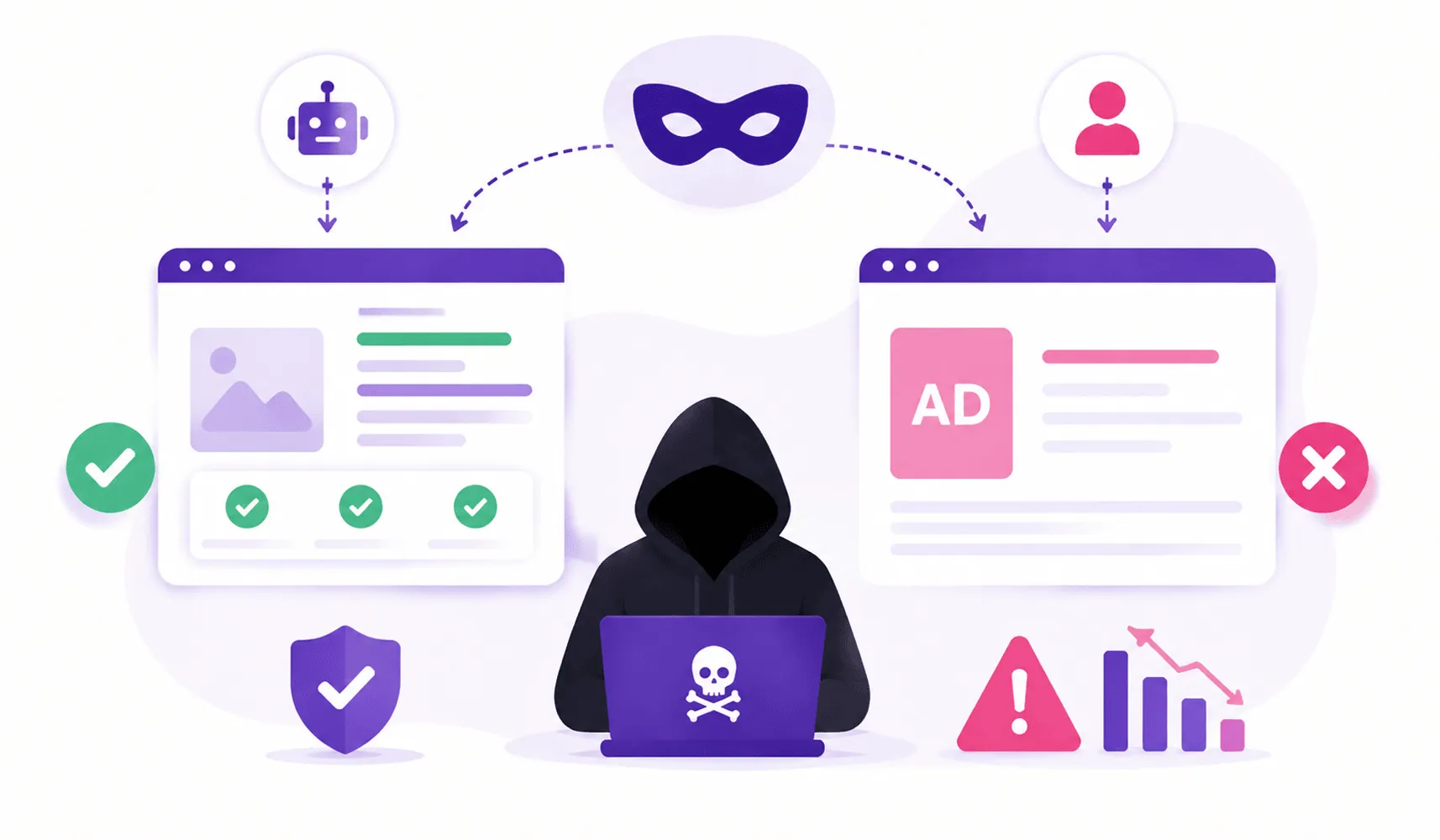
Cloaking in SEO is a technique where a website displays different content to search engines and human visitors.
Simply put:
- Search engines see one version of a webpage.
- Users see another version of the same page.
The goal behind this practice is usually to manipulate search rankings.
For example, a website owner may show keyword-rich content to Google’s crawlers while showing a more attractive sales page to visitors. This creates a mismatch between what search engines index and what users actually experience.
This practice is also known as SEO cloaking or a cloaking SEO technique.
Search engines consider this a violation because their main goal is to provide users with accurate and trustworthy results.
How Does Cloaking Work?
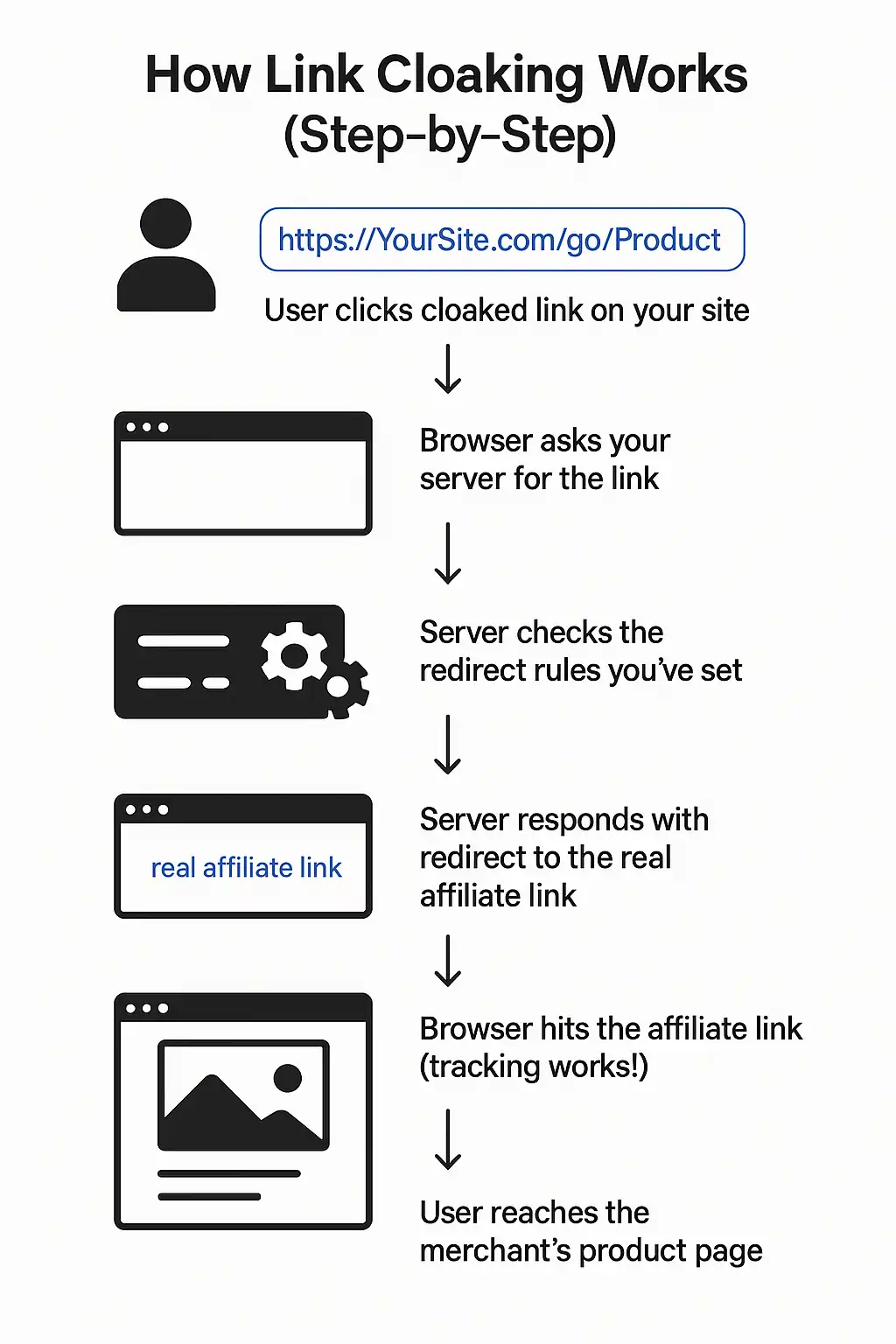
Credit: affmaven.com
To understand what is cloaking SEO, it helps to know how websites identify visitors.
Cloaking often uses methods such as:
i. IP Delivery
A website may detect a visitor’s IP address and deliver different content based on their location or identity.
For example:
google-bot receives SEO-focused content.
Regular users receive a different page.
ii. User-Agent Detection
Websites can identify whether a visitor is a search engine crawler or a normal browser.
A cloaking system may recognize google-bot and display optimized content that is hidden from regular users.
iii. Content Manipulation
Some websites create different versions of pages with specific keywords, links, or information designed only for search engines.
These practices fall under black hat SEO cloaking because they attempt to influence rankings through deception.
Why Do People Use Cloaking in SEO?
You may wonder why anyone would use such a risky strategy.
The simple answer is rankings.
Some website owners use cloaking because they want faster results. They try to manipulate:
Search engine rankings
Page visibility
Organic traffic
Keyword positions
Page rank signals
Common reasons include:
a. Faster Ranking Results
Some marketers believe cloaking can help pages rank quickly because search engines see highly optimized content.
However, these short-term gains often come with long-term consequences.
b. Hiding Low-Quality Content
Some websites use cloaking to hide poor user experiences.
For example:
Search engines see keyword-heavy content.
Visitors see advertisements or thin content.
c. Manipulating Search Algorithms
A major reason behind cloaking is algorithm manipulation.
Search engines constantly update their systems to identify spam techniques and unnatural SEO tactics.
Common Types of Cloaking SEO Practices
There are different forms of cloaking. Some are obvious, while others are more advanced.
Here are some common examples:
User-Agent Cloaking
This method shows different pages depending on whether the visitor is a search engine bot or a human.
IP-Based Cloaking
The website changes content based on the visitor’s IP address.
This may involve location targeting or proxy servers.
Hidden Text and Invisible Text
Some websites hide keywords using:
Tiny fonts
Hidden sections
Similar background colors
This is an old black hat SEO cloaking strategy that search engines can easily detect today.
JavaScript Cloaking
Some websites use scripts to display different information to users and crawlers.
Affiliate Link Cloaking SEO
Not all cloaking is harmful. For example, affiliate link cloaking SEO is often used to make long affiliate URLs shorter and cleaner.
However, hiding actual page content from search engines is a completely different practice.
Cloaking SEO Example: What Does It Look Like?
Let’s look at a simple cloaking SEO example.
Imagine a website selling fitness products.
Google sees:
“Best fitness equipment with detailed guides, keywords, and expert information.”
But visitors see:
“A page filled with unrelated advertisements and aggressive sales messages.”
The search engine believes the page offers valuable information, but users get a completely different experience.
That difference is what makes cloaking risky.
What Are the Risks of Cloaking in SEO?
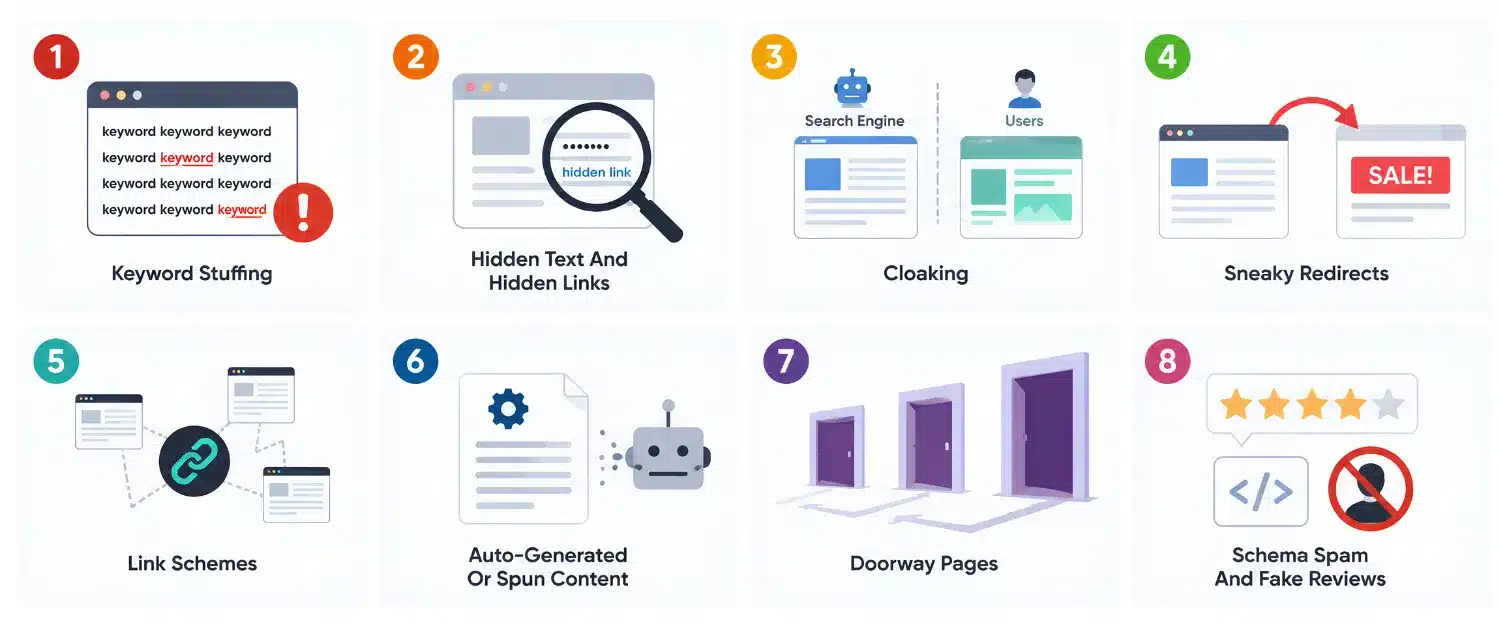
Credit: blacklisted.agency
Many people ask, What are the risks of cloaking in SEO?
The risks are serious.
Here are the biggest problems:
i. Search Engine Penalties
Google does not support deceptive practices.
If your website uses cloaking, it can face:
Ranking drops
Manual penalties
Removal from search results
ii. Loss of Trust
SEO is not only about rankings. It is also about building trust.
When visitors discover misleading content, they may:
Leave your website quickly
Avoid your brand
Share negative feedback
iii. Indexing Issues
Cloaking can create confusion for search engines.
Instead of properly understanding your pages, search engines may struggle with:
Duplicate content
Incorrect indexing
Missing important pages
iv. Damaged SEO Performance
A risky shortcut can hurt your entire SEO campaign.
Your website may experience:
Lower visibility
Reduced conversions
Poor user engagement
Is Cloaking Always Bad?
Here is where things get interesting.
Not every form of content variation is considered harmful.
Search engines understand that websites sometimes need to personalize experiences.
For example:
Showing different languages based on location
Adjusting content for mobile users
Creating accessible versions of pages
These practices focus on improving user experience.
The difference is transparency. Ethical SEO improves the experience for users and search engines.
Deceptive cloaking tries to trick search engines.
Cloaking vs Ethical SEO: Which One Should You Choose?
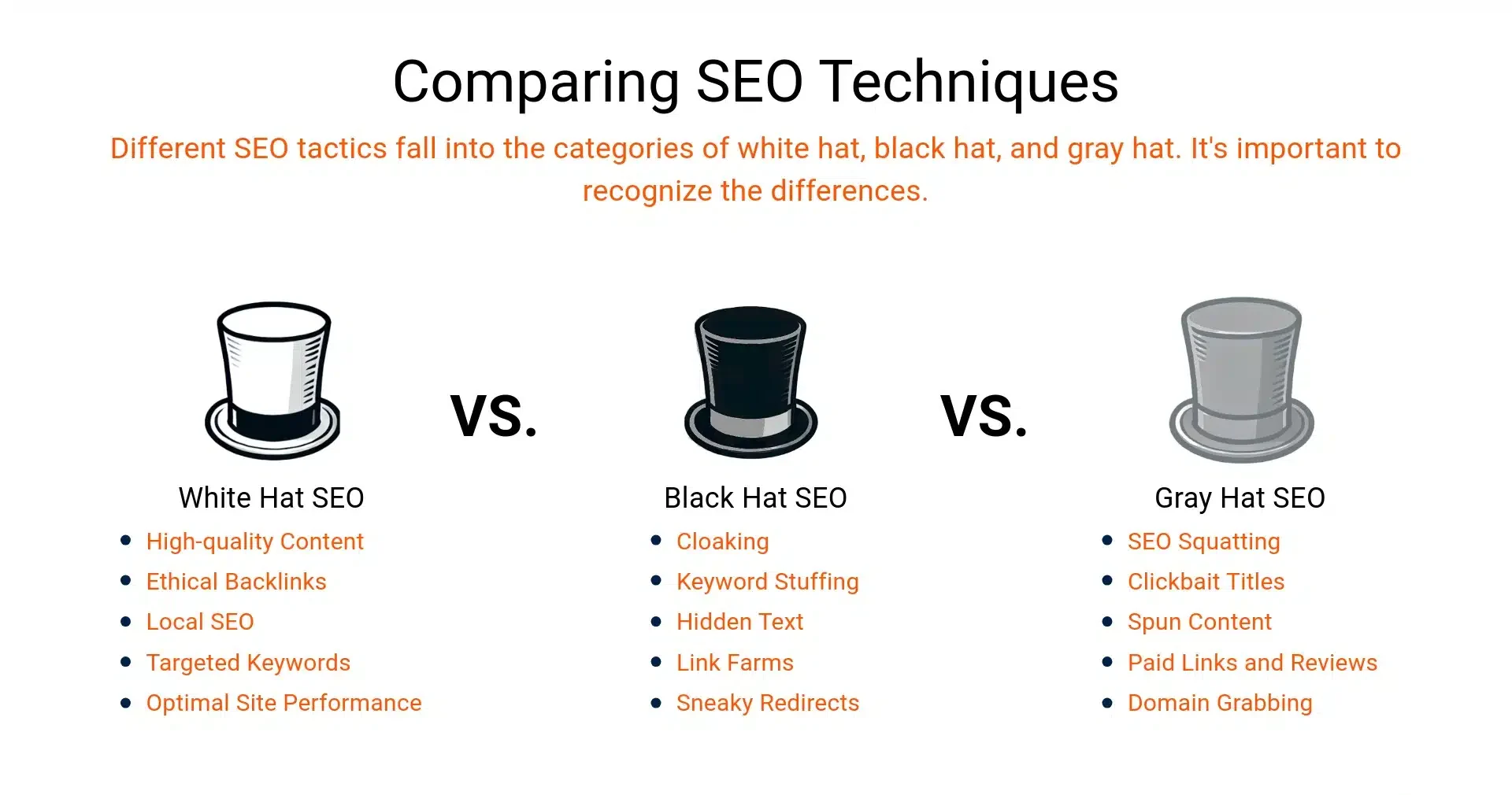
Credit: images.surferseo.art
When it comes to long-term growth, ethical SEO always wins.
Instead of using risky SEO tactics, focus on:
Creating Helpful Content
Write content that answers real customer questions.
Improving Website Experience
Make your website:
Faster
Mobile-friendly
Easy to navigate
Following Search Engine Guidelines
Build authority through genuine strategies.
If you are working on ecommerce growth, you can also explore our detailed Shopify SEO Checklist to optimize your store using safe and effective methods.
How to Avoid Cloaking Problems?
Here are simple steps I recommend:
Always show search engines the same valuable content users see.
Avoid hidden keywords and invisible text.
Use proper SEO tactics instead of spam techniques.
Regularly check your website with monitoring tools.
Review your pages for unusual content changes.
Follow ethical SEO practices.
A strong SEO strategy focuses on trust, not tricks.
The Bottom Line
The answer is simple: no.
Cloaking in SEO may appear like a shortcut, but shortcuts often create bigger problems later. Search engines reward websites that provide useful, honest, and valuable experiences.
Instead of focusing on manipulation, invest in quality content, technical improvements, and user-focused SEO. If you need white-hat SEO services, we are here to help.
Remember:
Better rankings come from better experiences.
Not hidden tricks.
FAQ’s
Let’s clear up the common doubts and wrap up our discussion with answers to some frequently asked questions about the Shopify SEO checklist.
What is cloaking in SEO?
Cloaking is an SEO practice where websites show different content to search engines and users to influence rankings.
Is cloaking illegal?
Cloaking is not usually illegal, but it violates search engine guidelines and can result in penalties.
What is a cloaking SEO example?
Showing keyword-rich content to Google while showing a different page to visitors is a common example of cloaking.
Can cloaking remove my website from Google?
Yes. Search engines may remove or lower websites that use deceptive cloaking methods.
What is the safest alternative to cloaking?
The safest approach is ethical SEO, including quality content, technical optimization, and genuine user-focused strategies.