When we started learning SEO, we focused on the usual suspects, keywords, backlinks, rankings, and technical updates. But soon, we realized that even the smallest details can make a difference. One of those details is SEO stop words. Words like “a,” “the,” “and,” “for,” and “to” may seem insignificant, but they help our content sound natural and easy to read. We once removed these words while optimizing an article, only to find that the content felt robotic and disconnected. That experience taught us one thing: SEO is not just about optimizing for search engines; it is about creating content people enjoy reading.
So, should we remove SEO stop words? Do they affect rankings? Let’s explore how these tiny words fit into a smarter content strategy.
What Are SEO Stop Words?
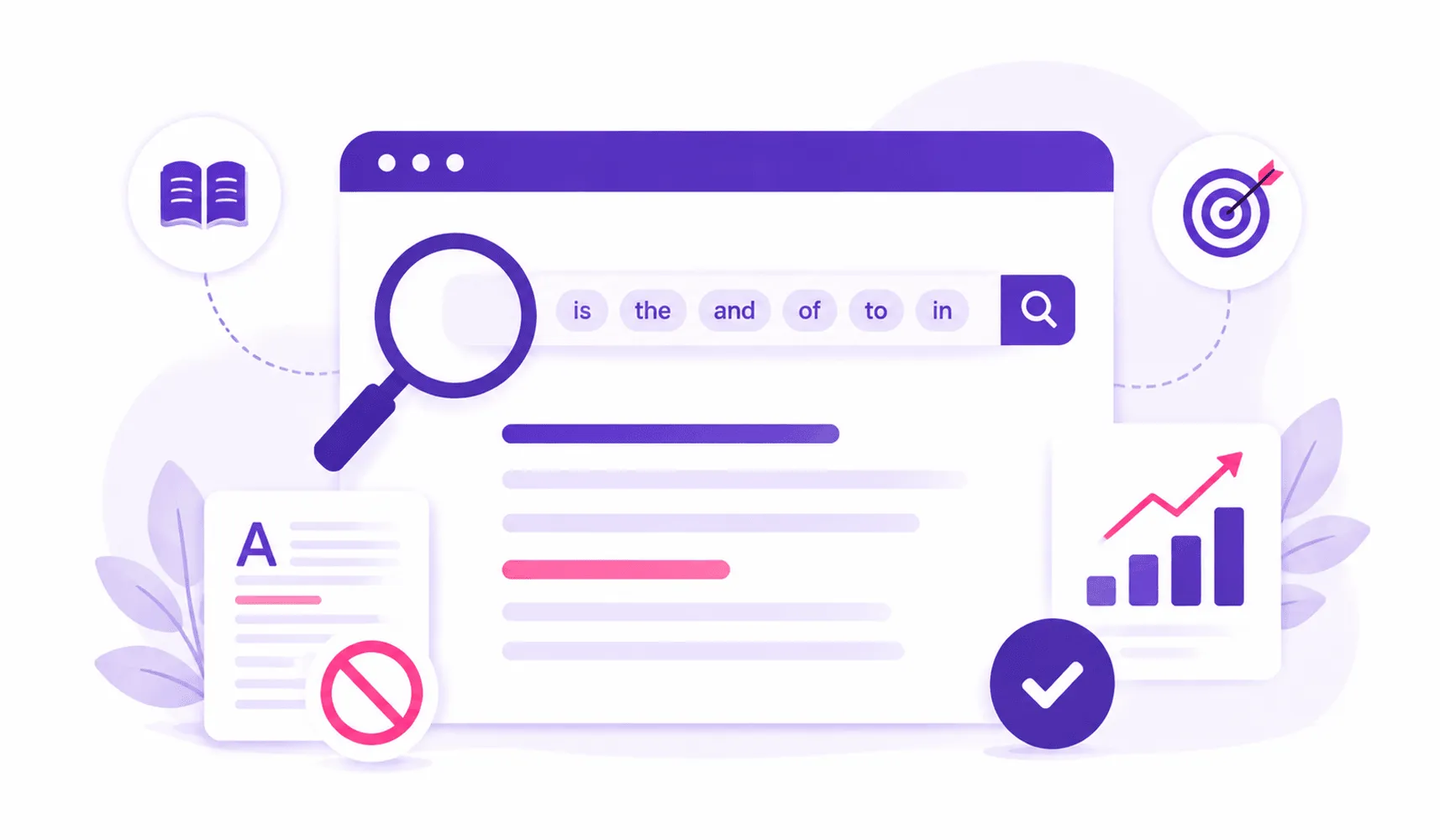
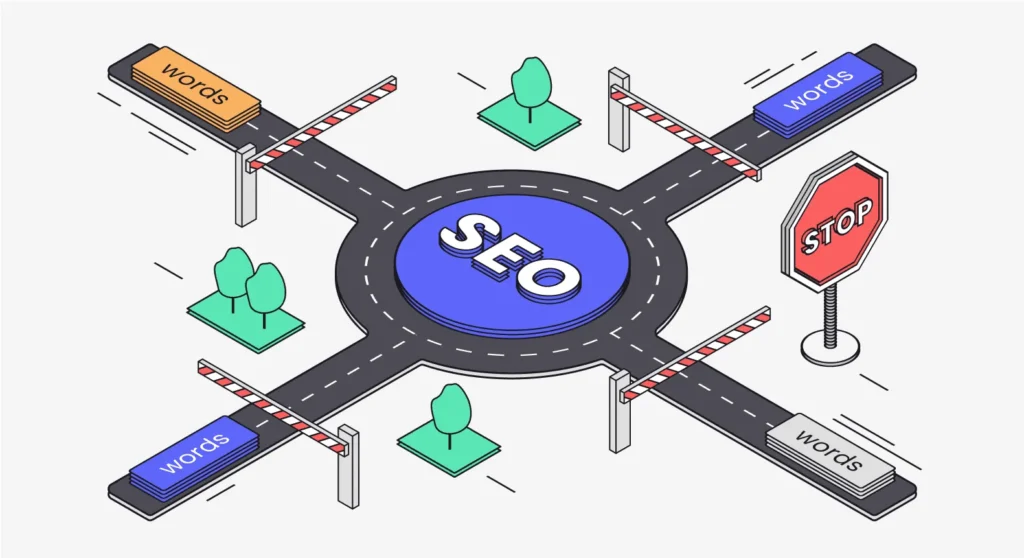
SEO stop words are common words that search engines may ignore or give less importance to while processing search queries. These words usually appear frequently in everyday language but often do not carry strong keyword value.
Examples include:
- The
- A
- An
- Of
- In
- On
- For
- To
- And
- With
- Is
These words help humans read content smoothly, but search engines may sometimes filter them when analyzing pages, URLs, or search terms. Many marketers ask, “What are stop words in SEO?” The simple answer is that they are frequently used words that usually add grammar and readability rather than direct keyword meaning.
However, removing every small word from your content is not a smart SEO strategy. Search engines have become much better at understanding context, meaning, and user intent.
Why Do SEO Stop Words Matter in Content?
Credit: dauagency.com
At first glance, these words may seem unimportant. After all, they are just short connecting words.
But content optimization is not only about removing unnecessary words. It is about creating content that works for both search engines and people.
Here is why we should understand SEO stop words:
a) They Influence Content Readability
Imagine reading a sentence without connecting words:
The best digital marketing agency in Dubai creates strategies to improve online growth. It feels unnatural, right?
Now compare it:
The best digital marketing agency in Dubai creates strategies to improve online growth.
The second version feels clear and professional. Good content needs balance. While SEO matters, user experience comes first.
b) They Can Affect Keyword Analysis
During keyword research, SEO tools may remove common words to highlight the important terms in a phrase.
For example:
best strategies for improving website performance
A tool may focus more on:
best strategies improving website performance
The meaning remains similar, but the unnecessary words may be filtered during analysis.
c) They Impact URLs and Metadata
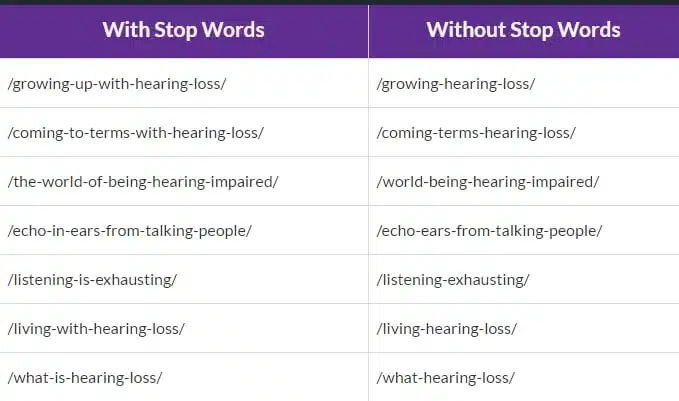
Many SEO professionals wonder, “Are stop words in URLs bad for SEO Google guidance?”
The answer is “not always.”
Google does not automatically penalize websites because URLs contain words like “and,” “the,” or “of.” A clear and readable URL is usually more important than removing every stop word.
For example:
Better:
website.com/content-writing-strategy
Also acceptable:
website.com/the-best-content-writing-strategy
The goal is clarity, not extreme optimization.
Common SEO Stop Words List You Should Know
There is no single universal list because different SEO tools use different filters. However, common examples include:
- About
- After
- Again
- All
- Also
- Because
- Before
- Between
- By
- Could
- During
- From
- How
- Into
- More
- Other
- Should
- That
- Their
- These
- Through
- Under
- Very
- Which
- While
This SEO stop words list can help us understand which words may receive less attention during analysis. But remember: these words are not “bad words.” They are simply common words that may not carry strong ranking signals.
Do Stop Words Hurt SEO?
Credit: granwehr.com
A common question we hear is, “Do stop words hurt SEO?”
The short answer is no.
Google’s algorithms are designed to understand natural language. Removing every small word can actually make content harder to read and less helpful.
Modern SEO focuses on the following:
- Search intent
- Content quality
- Website performance
- User experience
- Helpful information
A page that answers questions clearly will usually perform better than a page stuffed with keywords but written unnaturally.
How Do Stop Words Affect SEO?
The impact depends on where these words appear.
In Content
Inside blog posts and articles, stop words usually improve readability. They help create a natural flow and make information easier to understand.
In Keywords
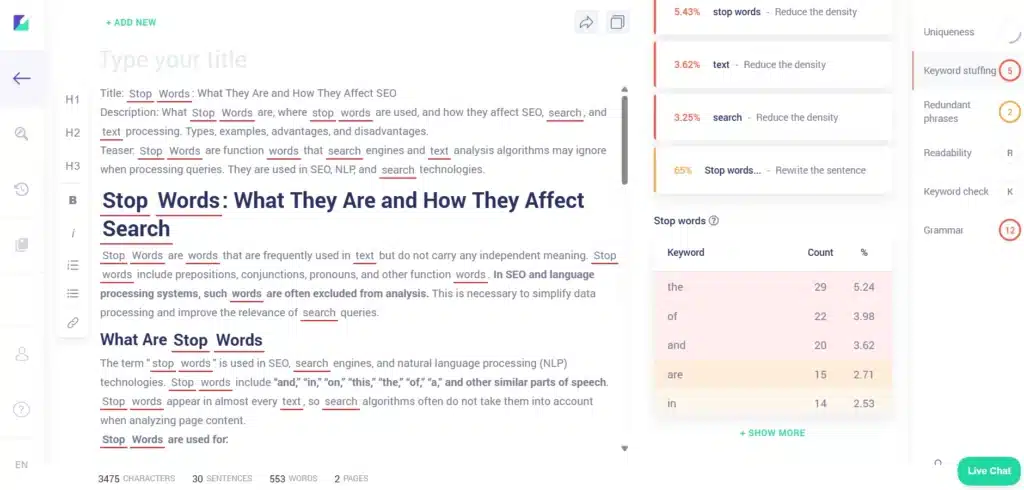
During keyword strategy planning, tools may ignore these words when measuring keyword density or analyzing search terms.
In URLs
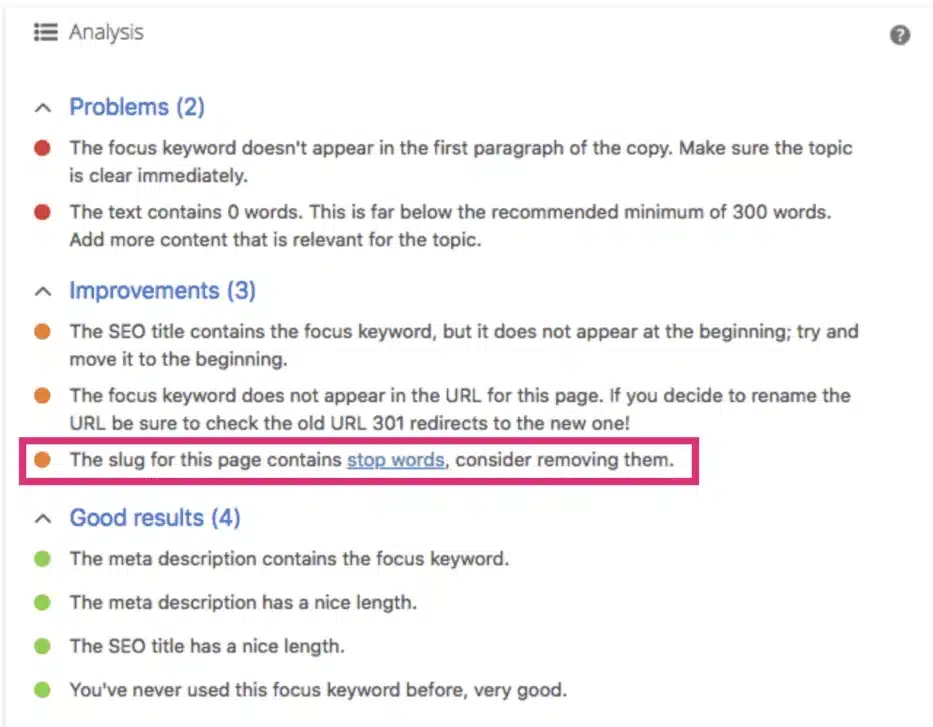
Shorter URLs can sometimes be easier to understand. However, removing stop words is optional and should never make a URL confusing.
In Anchor Text
Anchor text should sound natural. Removing words just to create an exact-match keyword can make links look forced.
SEO Stop Word Examples in Real Content
Credit: we-right.com
Let’s look at a simple comparison.
Without natural wording:
Learn SEO techniques to improve business website ranking.
With natural wording:
Learn SEO techniques to improve your business website ranking. The second sentence sounds better because it communicates clearly. This is why SEO stop words should be managed carefully rather than completely removed.
Should We Remove Stop Words From Our Content?
We believe great content needs a human touch. Instead of asking, “Which words can we delete?” we should ask the following:
Does this content provide value to the reader?
Before removing any words, consider:
i. Keep Words That Improve Meaning
If removing a word changes the meaning or makes the sentence awkward, keep it.
ii. Focus on Search Intent
People search for answers, not perfectly optimized sentences. Understanding search intent helps us create content that connects.
iii. Prioritize Quality Over Keyword Density
Keyword density alone does not create rankings. Strong content, proper keyword strategy, and helpful information create better results.
If you want to build a stronger content foundation, explore our content writing strategy to create content that attracts and engages your audience.
The Relationship Between Stop Words and Modern SEO
Credit: onlinemediamasters.com
SEO has changed significantly over the years.
Earlier search strategies focused heavily on exact keywords. Today, search engines understand topics, relationships, and context.
Successful SEO now combines:
- Keyword research
- Content marketing
- Meta tags optimization
- Mobile optimization
- Website performance improvements
- Backlink analysis
- Site audit insights
- Web analytics
A strong SEO approach also includes monitoring tools that help us understand rankings, traffic behavior, conversion rate, and user engagement.
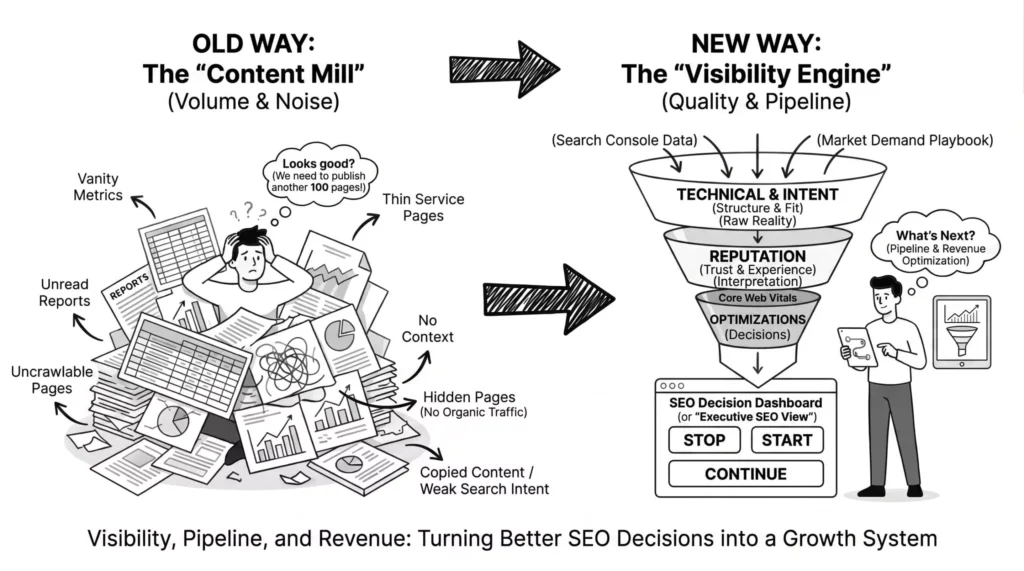
Stop words are only one small piece of a much bigger SEO picture.
Can Stop Words Affect Voice Search?
Voice search has changed how people interact with search engines. People usually speak naturally. They ask complete questions, like:
Where can I find the best content writing agency in Dubai?
They do not remove connecting words while speaking. This means natural language matters more than ever. Removing every small word may actually make content less suitable for voice-based searches.
Will Using Stop Words Negatively Affect SEO?
Credit: searchlogistics.com
Many businesses ask, “Will using stop words negatively affect SEO?”
The answer is no.
Using stop words naturally will not damage your rankings. In fact, they often improve readability, which helps create a better user experience.
The best approach is simple:
- Write for people first
- Optimize for search engines second
- Remove words only when they create unnecessary complexity
The Final Word
SEO is not about making content robotic. It is about creating useful experiences. SEO stop words may look small, but understanding them helps us make smarter decisions when writing blogs, creating URLs, and optimizing pages. Instead of removing words blindly, we should focus on creating content that feels natural, answers questions, and builds trust.
At Hashtag Media, we combine creativity with smart optimization to help brands improve visibility, increase brand awareness, and connect with the right audience.
Because the best SEO strategy is not about writing for algorithms.
It is about writing for people.
FAQ’s
Here are a few questions you might want to consider before building your next strategy.
What exactly are stop words in SEO?
Stop words are common words like “the,” “and,” and “in” that search engines may ignore during certain types of analysis because they usually have limited keyword value.
Are stop words bad for SEO?
No. Stop words are not harmful to SEO. They often improve readability and help create natural content.
Should we remove stop words from URLs?
Not always. Clear and understandable URLs are more important than removing every stop word.
How do stop words affect SEO tools?
Many SEO tools filter stop words during keyword analysis to focus on more meaningful terms.
Should content writers avoid stop words?
No. Writers should use stop words naturally to maintain clear, engaging, and user-friendly content.