Have you ever landed on a website and instantly thought, “Wow, this feels exactly right”? That’s the power of a well-designed website. A restaurant website can make you crave a meal before you even visit, an online store can turn browsing into buying, and a portfolio can tell a creative story without saying a word. But here’s the interesting part: every website has a different purpose. The design, features, and strategy that work for an e-commerce store may not work for a service business or a personal brand. So, knowing the different types of websites matters. The right website does more than just look impressive; it helps you connect with your audience, build credibility, and turn visitors into opportunities.
Let’s explore the most popular website categories, their uses, and how to choose the perfect website type for your goals.
What Is a Website and Why Does It Matter?
A website is your brand’s online space where people can learn about your business, explore your services, buy products, or connect with you. Think of it as your digital office or online store. It works around the clock and helps people discover what you offer.
A well-designed website can help you:
Create a strong first impression
Build customer trust
Showcase products and services
Generate leads
Increase sales
Share valuable information
Today, businesses need more than just a social media page. A professional website gives you complete control over your online presence.
But the important question is, what type of website is this, and does it match your business goals?
Let’s explore the most common options.
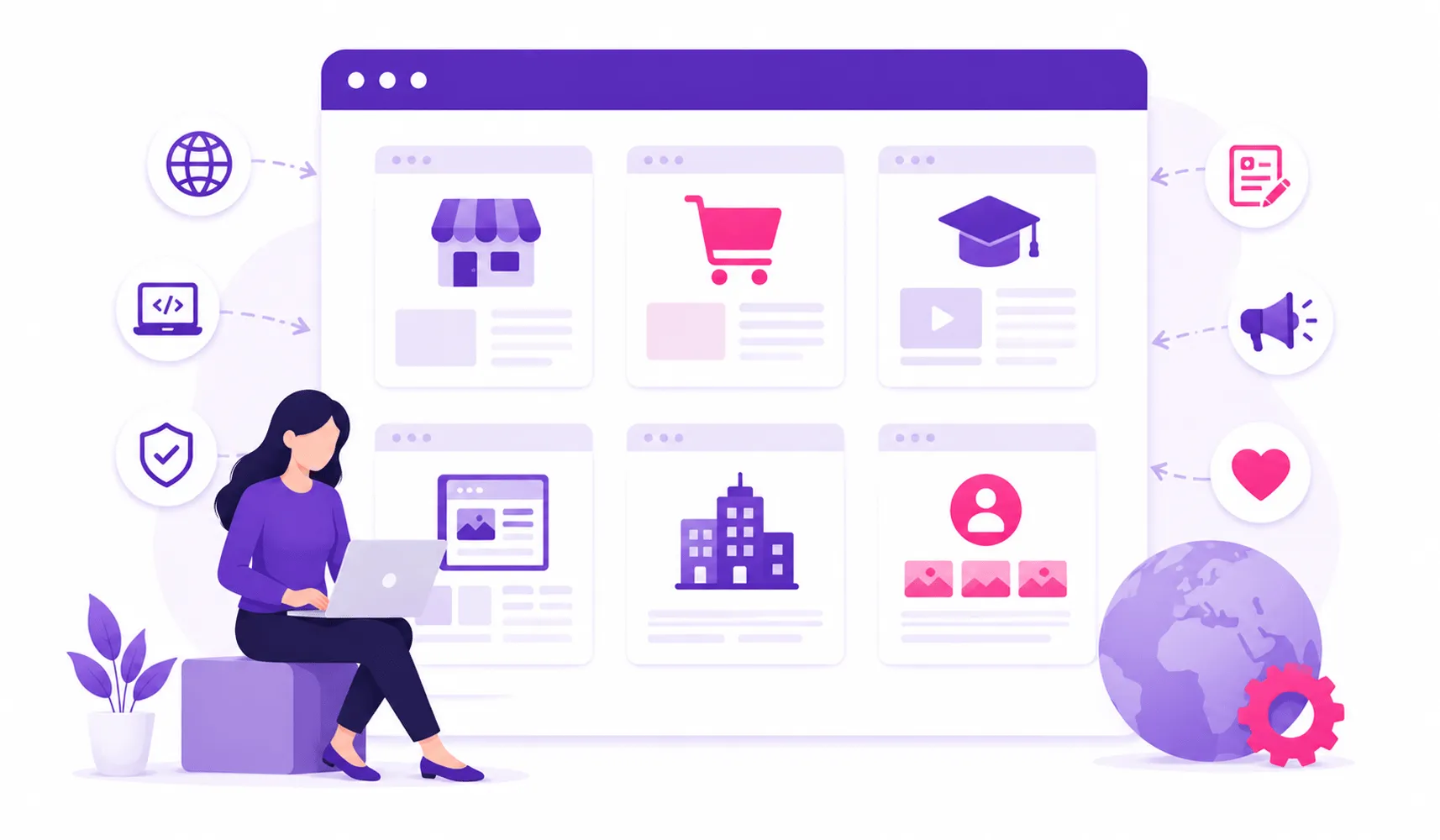
What Are the Different Types of Websites?
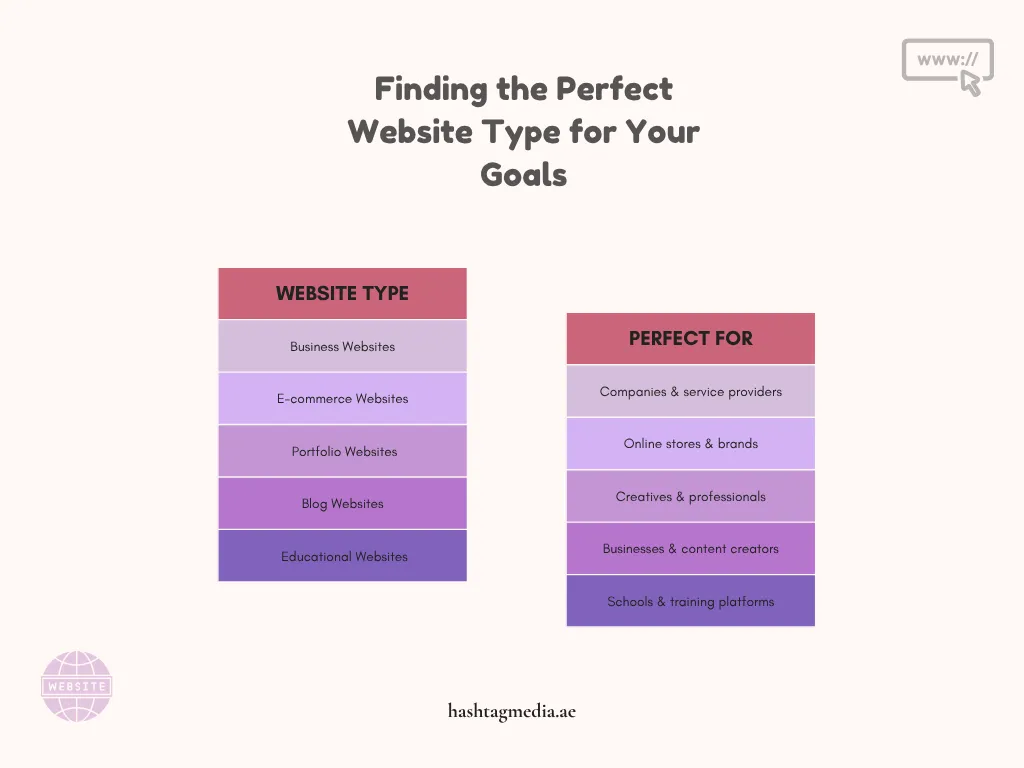
There are many different types of websites, and each one is created for a specific purpose. Some websites focus on selling products, while others focus on sharing knowledge, promoting services, or building online communities.
Here are the most popular website categories.
Business Websites
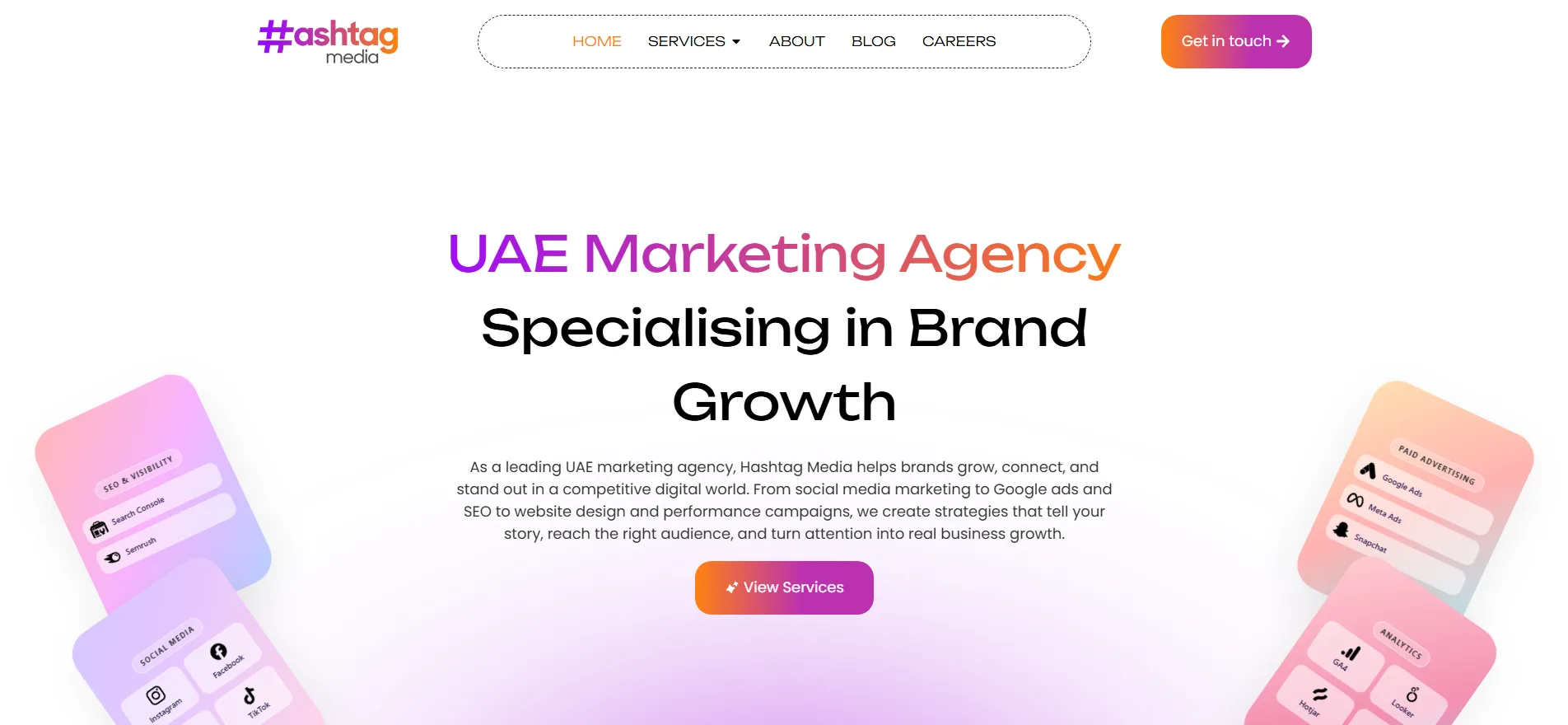
Credit: hashtagmedia.ae
Business websites are among the most common websites used by companies today.
They help businesses introduce their brand, explain their services, and make it easier for customers to contact them. Among the different types of business websites, service-based websites are especially valuable because they help companies attract potential customers.
These websites usually include:
Homepage
About page
Service pages
Contact forms
Customer reviews
Blog sections
Examples include:
Marketing companies
Law firms
Healthcare businesses
Consulting companies
Professional services
A strong business website makes your company look reliable and professional.
E-commerce Websites
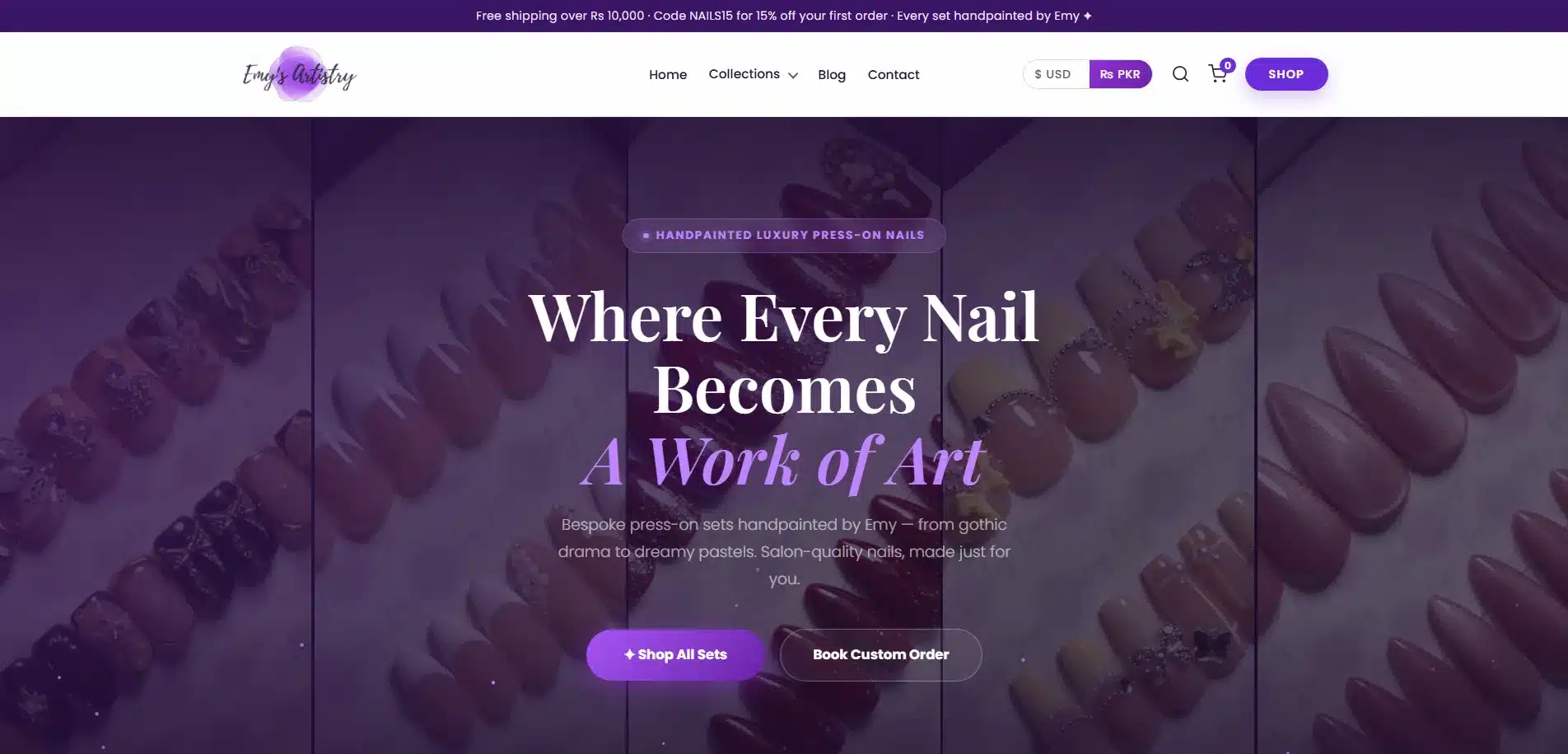
Credit: emysartistry.com
E-commerce websites are designed for businesses that want to sell products online. These websites work like digital stores where customers can browse products, add items to their carts, and complete purchases online.
Common features include:
Product categories
Shopping carts
Payment gateways
Customer reviews
Order tracking
E-commerce sites are perfect for:
Fashion brands
Electronics stores
Beauty companies
Online retailers
Local businesses moving online
A successful online store needs more than attractive product images. It needs smooth navigation, fast performance, and a simple checkout process.
Portfolio Websites
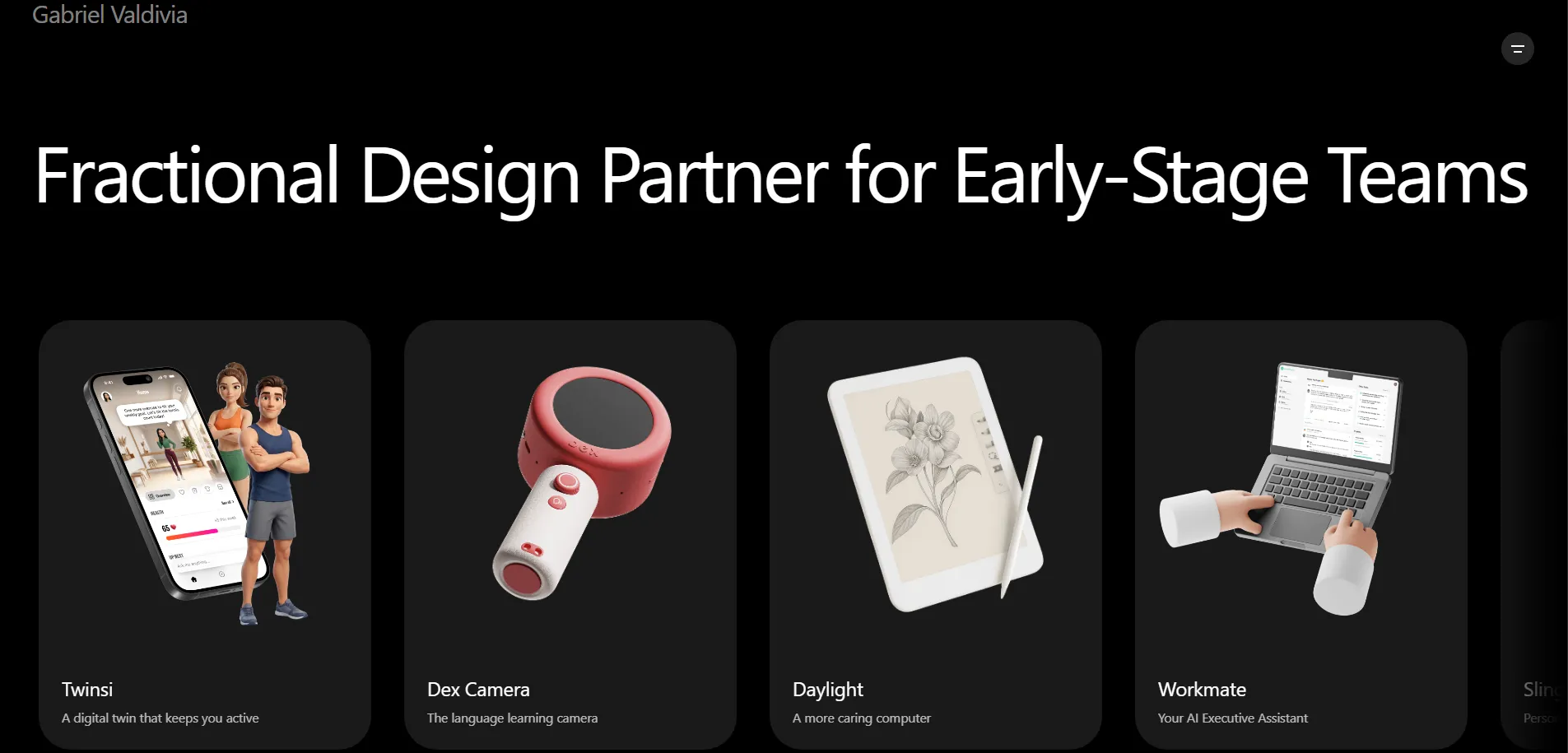
Credit: gabrielvaldivia.com
Portfolio websites are created to showcase skills, creativity, and professional work.
They are popular among:
Designers
Photographers
Developers
Artists
Writers
Freelancers
A portfolio website often includes:
Previous projects
Client testimonials
Work samples
Personal introduction
Contact details
For creative professionals, a portfolio works like a digital resume that helps potential clients understand their abilities.
Blog Websites
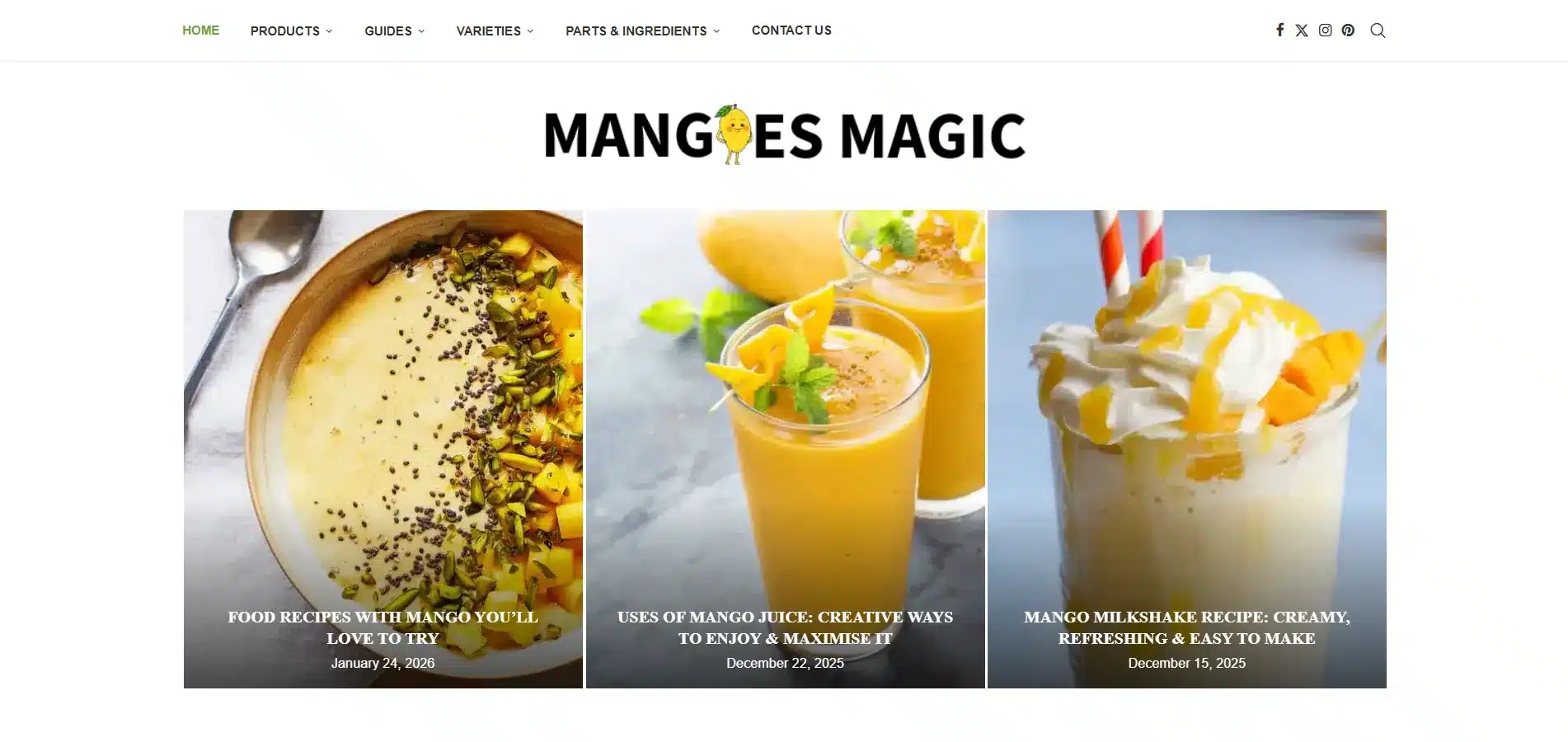
Credit: mangoesmagic.com
Blogging platforms allow individuals and businesses to publish articles, guides, and educational content. Blogs are powerful because they help brands share knowledge and attract visitors through search engines.
Common blog categories include:
Travel blogs
Food blogs
Technology blogs
Personal blogs
Business blogs
Companies also use blogs to:
Improve online visibility
Build authority
Educate customers
Generate organic traffic
A helpful blog can turn visitors into loyal followers.
Landing Page Websites
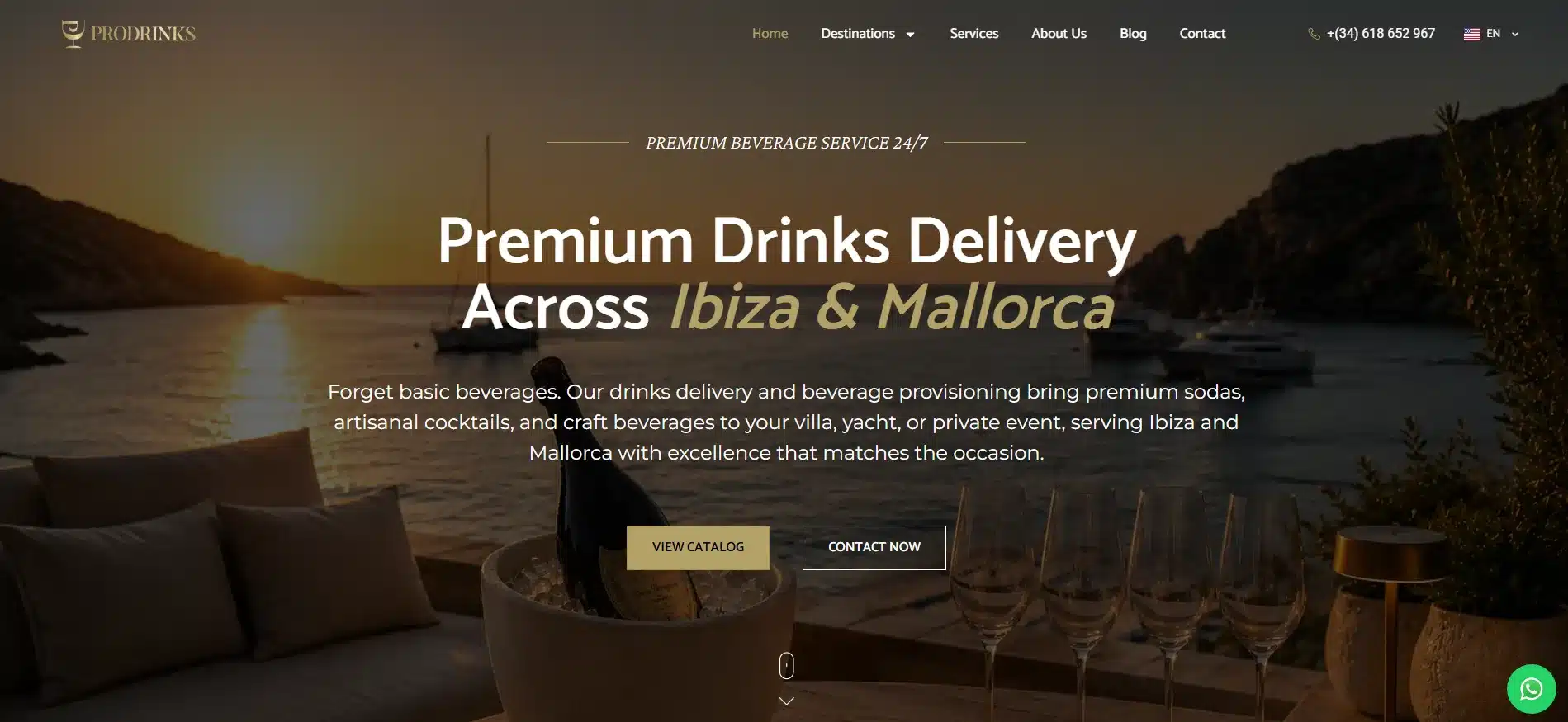
Credit: prodrinks.es
Landing pages are focused websites created for one specific goal.
Unlike traditional websites, landing pages remove distractions and encourage visitors to complete one action.
They are commonly used for:
Advertising campaigns
Lead generation
Product launches
Special offers
Event registrations
A good landing page includes:
Clear messaging
Strong headlines
Simple design
A powerful call-to-action
Educational Websites

Credit: digiskills.pk
Educational websites provide learning materials, courses, and training resources.
They are widely used by:
Schools
Universities
Online teachers
Training companies
These websites may include:
Online classes
Video lessons
Student accounts
Learning resources
Online tests
As online learning continues to grow, educational websites have become one of the most useful various types of websites available today.
Membership Websites
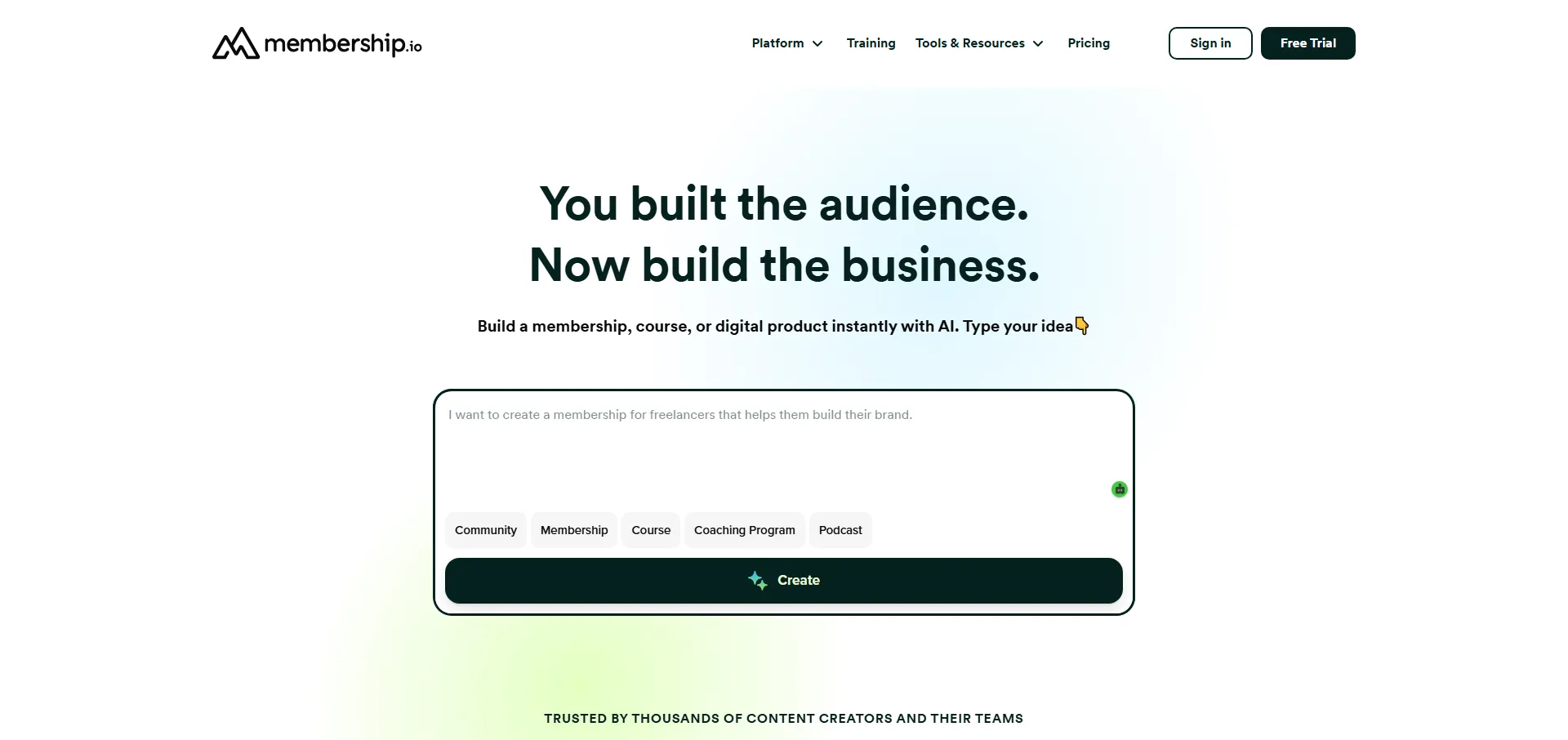
Credit: membership.io
Membership websites provide exclusive content or services to registered users.
Visitors usually create accounts to access premium features.
Examples include:
Fitness platforms
Online communities
Subscription websites
Professional networks
These websites help businesses build stronger relationships with their audience.
Web Applications
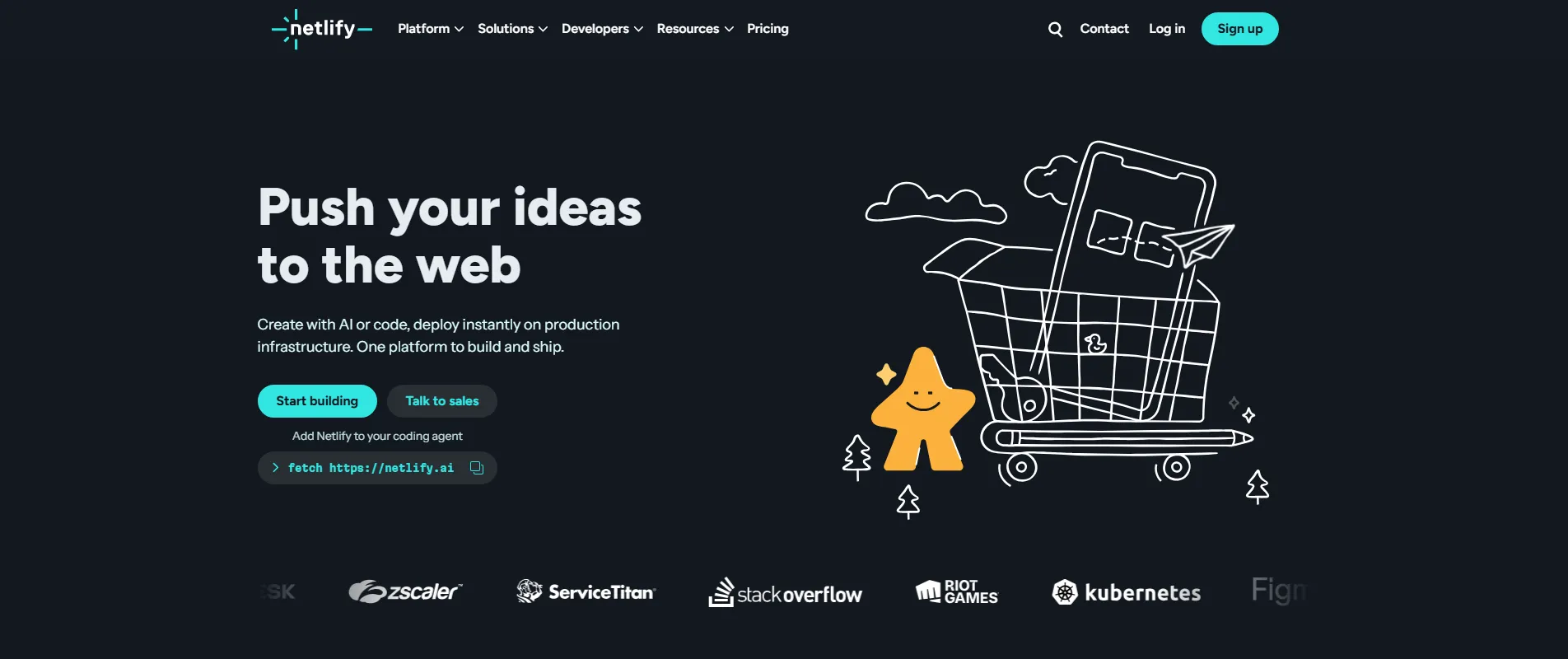
Credit: netlify.com
Web applications are advanced websites that allow users to perform specific tasks online. Unlike traditional websites, they focus more on interaction and functionality.
Examples include:
Banking platforms
Booking systems
Online tools
Customer dashboards
These projects require advanced planning, security, and development expertise.
Other Popular Types of Websites
Apart from the main categories, there are many specialized website options available.
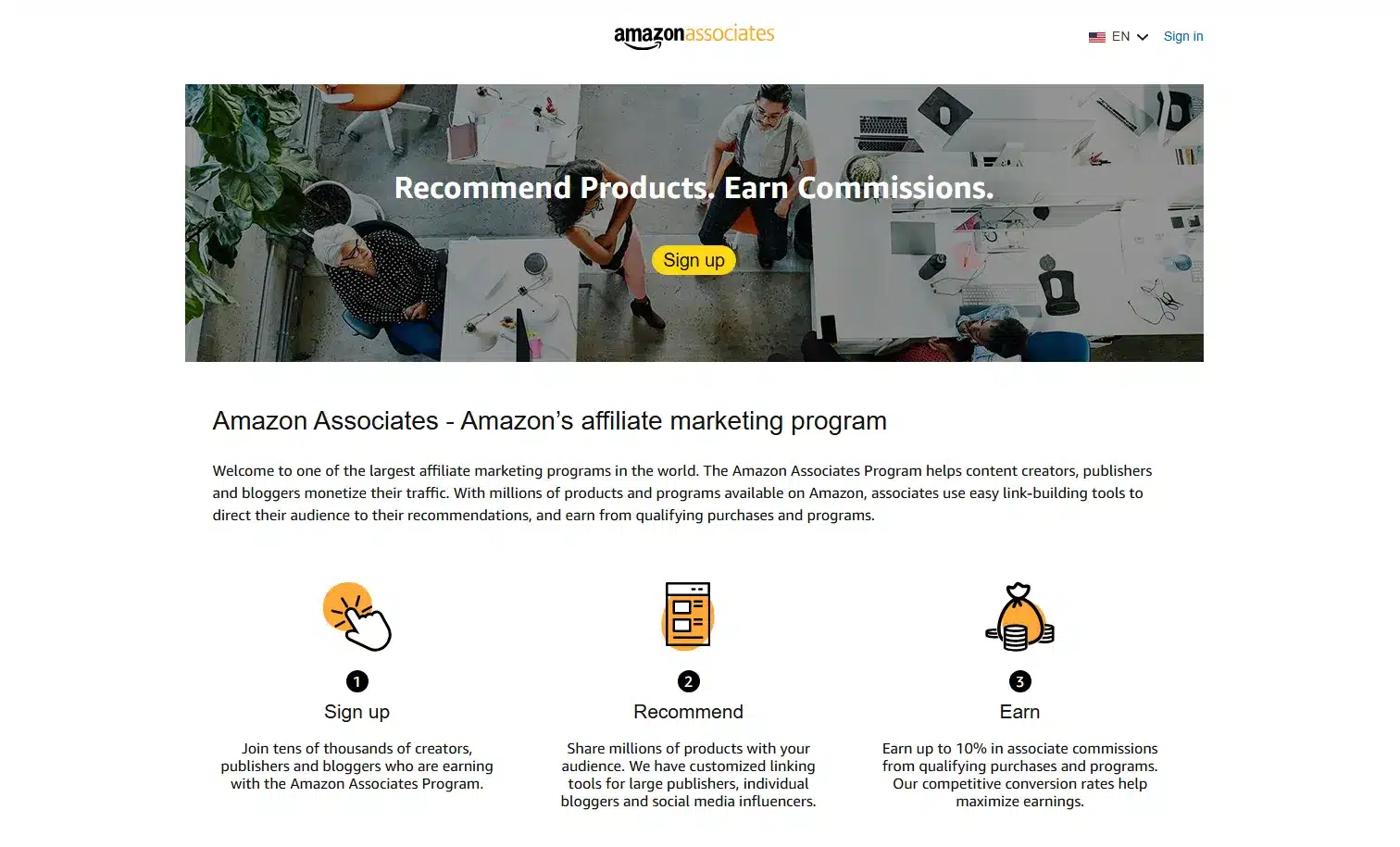
Affiliate Websites
Credit: affiliate-program.amazon.com
Affiliate websites promote products from other companies and earn commissions through referrals.
They often include:
Product comparisons
Reviews
Recommendations
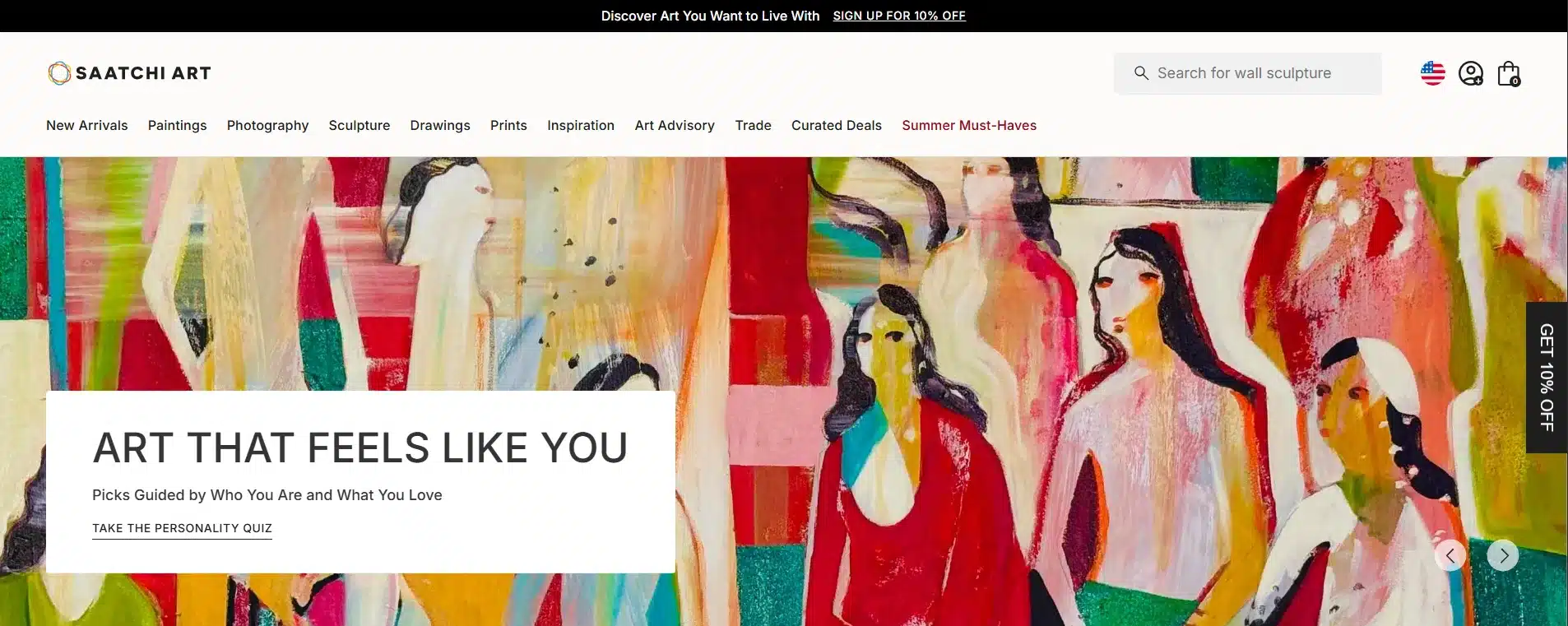
Art Websites
Credit: saatchiart.com
Art websites help artists display their creativity online.
They usually include:
Online galleries
Artwork collections
Artist profiles
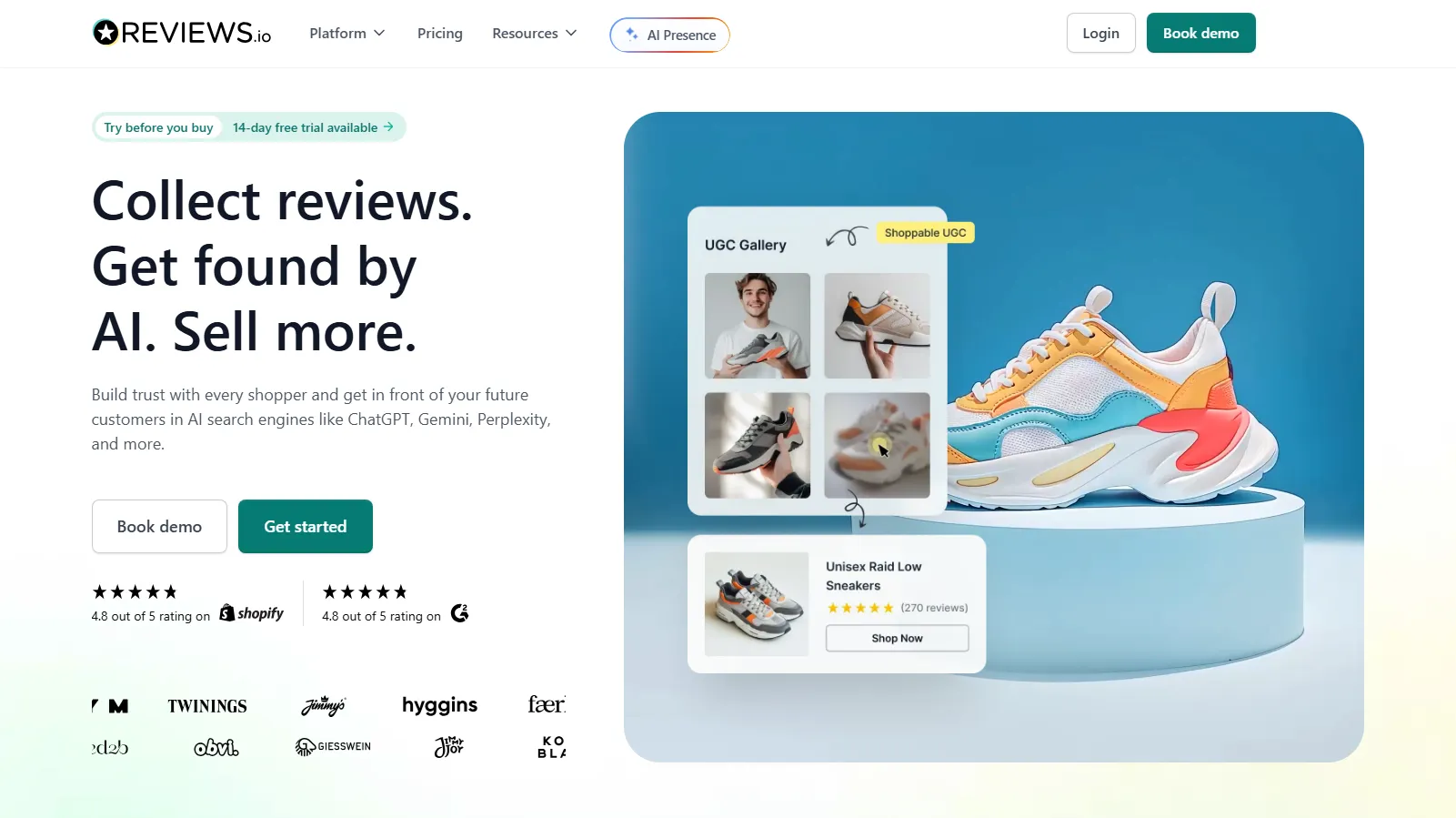
Product Review Sites
Credit: reviews.io
Product review websites help customers compare options before purchasing.
They are popular in industries such as:
Technology
Fashion
Travel
Consumer products
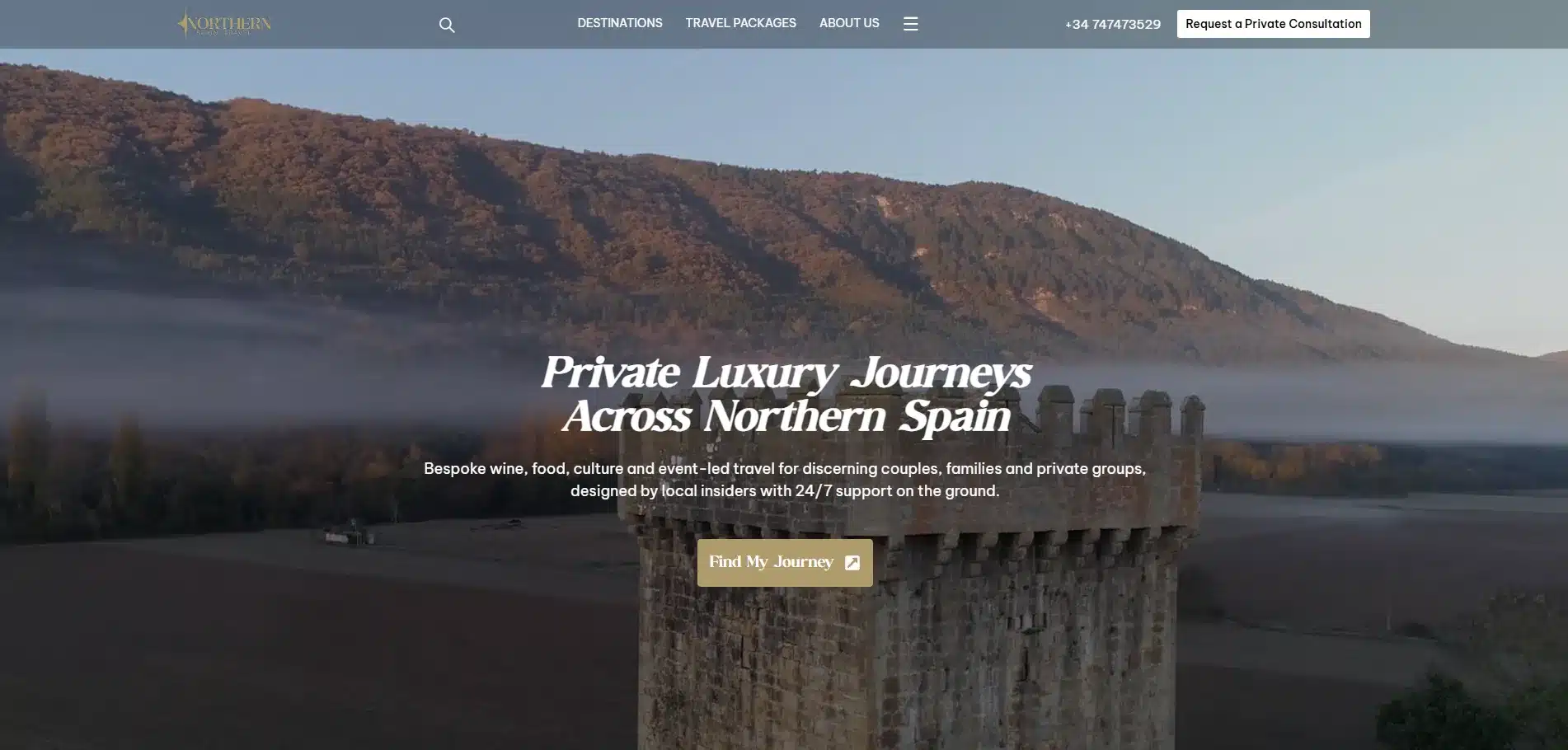
Travel Websites
Credit: northernspaintravel.com
Travel websites help users discover destinations, book trips, and plan vacations.
They may include:
Travel guides
Hotel listings
Tour packages
Real Estate Sites

Credit: shahrozesparacha.com
Real estate websites help buyers find properties and connect with sellers.
Common features include:
Property listings
Search filters
Images
Contact forms
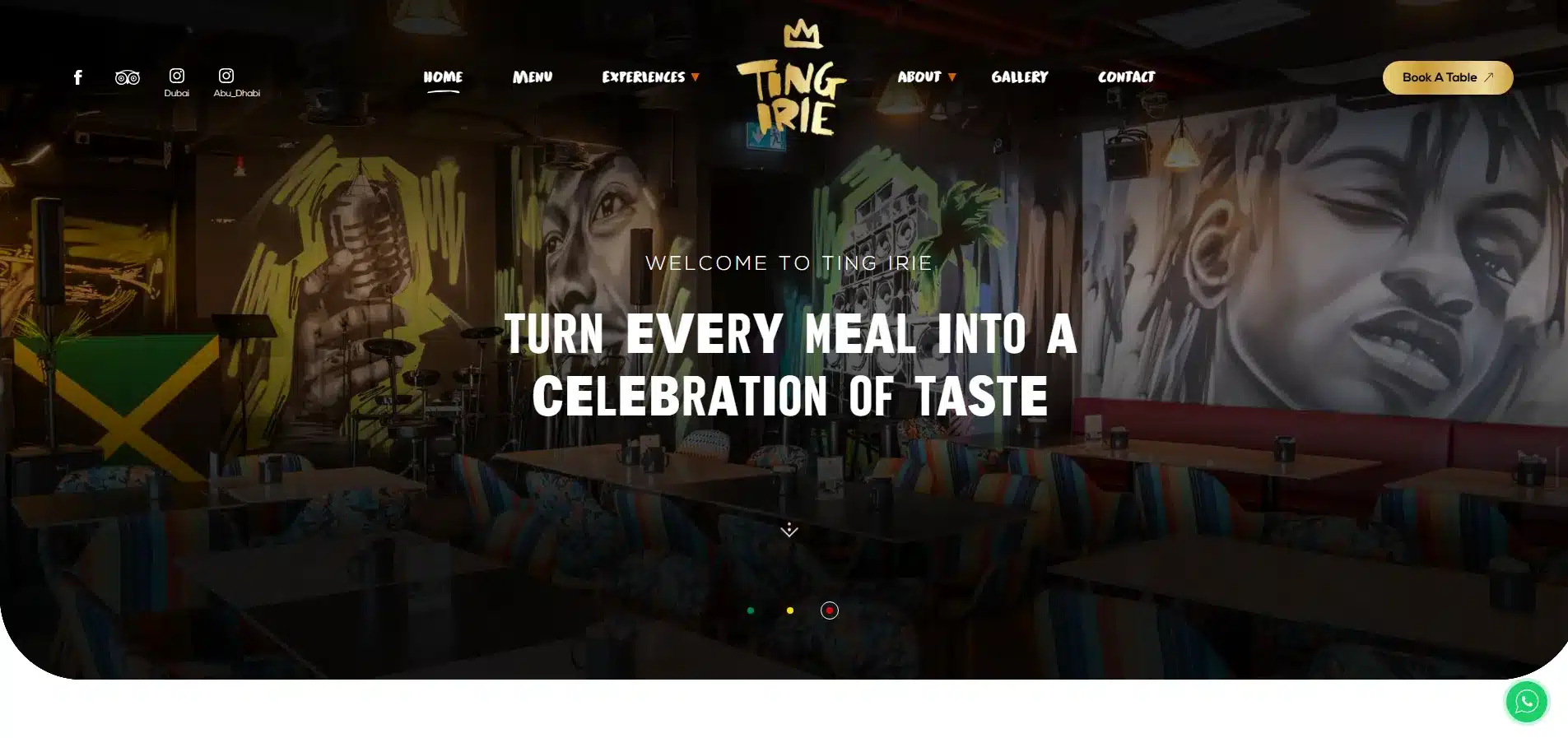
Restaurant Websites
Credit: tingirie.com
Restaurant websites help customers:
View menus
Reserve tables
Find locations
Order food online
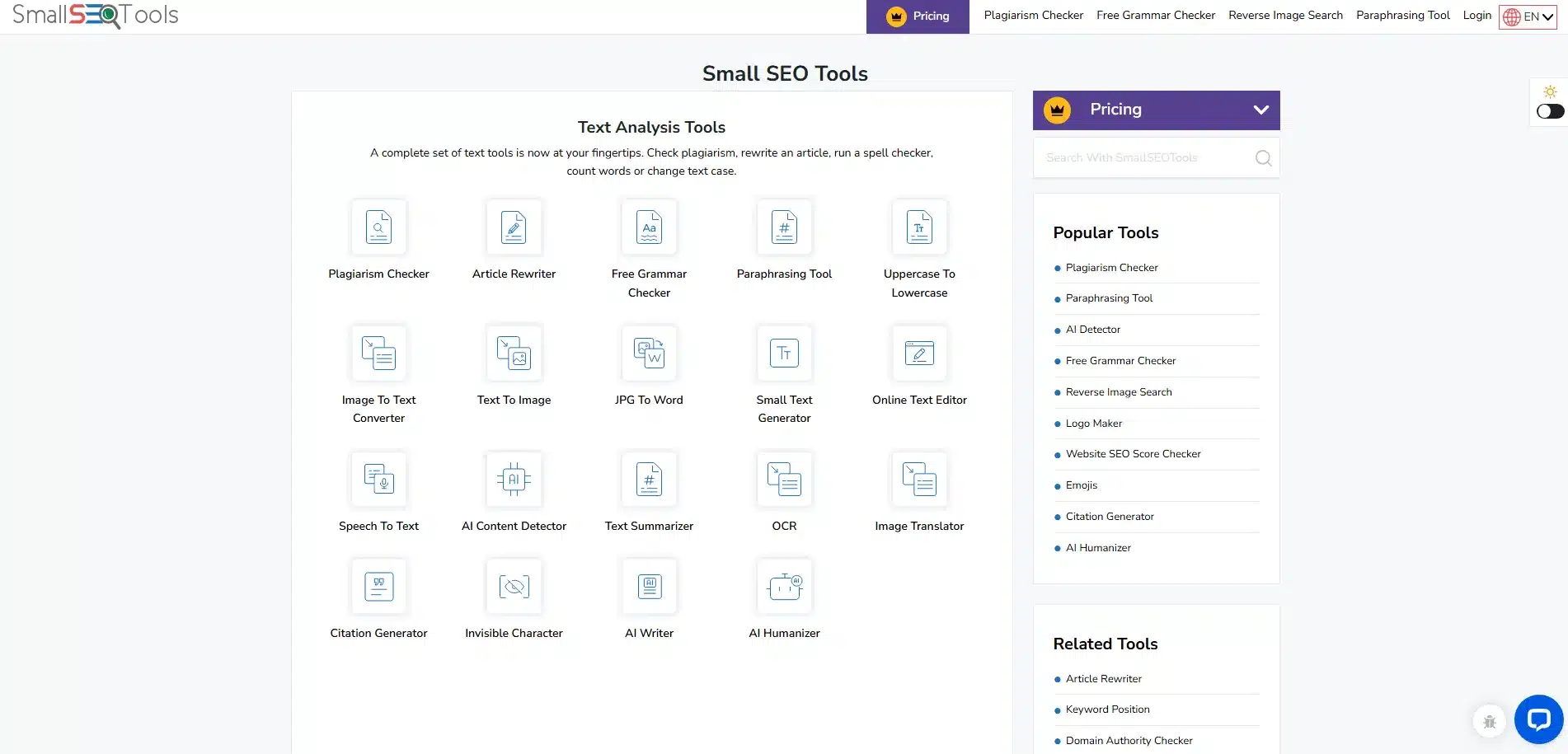
Resource Websites
Credit: smallseotools.com
Resource websites provide valuable information, guides, tools, and downloadable content.
Businesses often use them to educate their audience and build trust.
How Many Types of Websites Are There?
Alt text: Web designer creating digital content on a laptop
Credit: lovemyonlinemarketing.com
Many people ask, how many types of websites exist?
There is no fixed number because new website categories continue to develop with changing technology.
However, the most common categories include:
Business websites
E-commerce sites
Blogs
Portfolio sites
Educational websites
Web applications
Service websites
Real estate sites
Travel websites
The right choice depends on what you want your website to achieve.
How to Choose the Right Type of Website for Your Business
Choosing the right website starts with understanding your goals.
Ask yourself:
a) What is the main purpose of my website?
Do you want to sell products, attract customers, share information, or build a community?
b) Who is my target audience?
Your website should match the needs and expectations of your visitors.
c) What features do I need?
Some businesses only need basic pages, while others require advanced systems.
d) How will my website grow?
Choose a website structure that can support future updates and expansion.
If you are unsure about choosing between different website options, working with an experienced website development team can make the process easier.
Common Website Development Mistakes to Avoid
Creating a website is exciting, but mistakes can affect your results.
Here are some common problems businesses face:
Slow loading speed
Poor mobile design
Complicated navigation
Weak content
Missing SEO strategy
Outdated layouts
No clear customer action
Visitors expect websites to be fast and easy to use.
Improving website speed can increase user satisfaction and reduce visitors leaving your website.
Why Professional Website Development Matters
A website is more than just a collection of pages. It is a tool that represents your brand and supports your business growth.
Professional development helps you create websites that are:
Easy to use
Mobile-friendly
Fast
Secure
Search engine optimized
Choosing the right partner also helps you avoid technical issues and create a better customer experience.
At Hashtag Media, we provide professional web design & development services that help businesses create modern websites designed for growth.
Whether you need business websites, e-commerce platforms, portfolio sites, or custom solutions, the right strategy can help you achieve better results.
FAQ’s
Wondering what comes next? These quick FAQs will help you find the answers faster.
What are the different types of websites?
The main website categories include business websites, e-commerce websites, blogs, portfolio websites, educational websites, membership websites, and web applications.
Which type of website is best for a business?
Business websites and service websites are usually the best choices for companies that want to build credibility and generate customer inquiries.
What type of website is best for selling products?
E-commerce sites are the best option because they include product pages, shopping carts, and online payment features.
How much does website development cost?
Website development costs depend on the design, features, complexity, and requirements of the project.
What type of website is this?
The answer depends on the website’s purpose. It could be a business website, blog, portfolio, online store, or another category based on its features.
The Bottom Line
Okay, so here’s the big takeaway: understanding the different types of websites helps you make smarter decisions for your online presence. Every business has its own goals and challenges. A small service company may only need a simple website to showcase its expertise and attract customers, while an online store may require a complete e-commerce platform built for sales and growth.
The goal is not just to create a website that looks good. It’s about building a website that connects with your audience, strengthens your brand, and supports your business goals. With the right planning, creative design, and development strategy, your website can become more than just an online address; it can become one of your strongest business assets.
More than a website. A growth story.